 Maritime Injury Law Blog
F/V Arctic Sea Grounding Spilled 45,000 Gallons of Diesel Near the Pribilofs


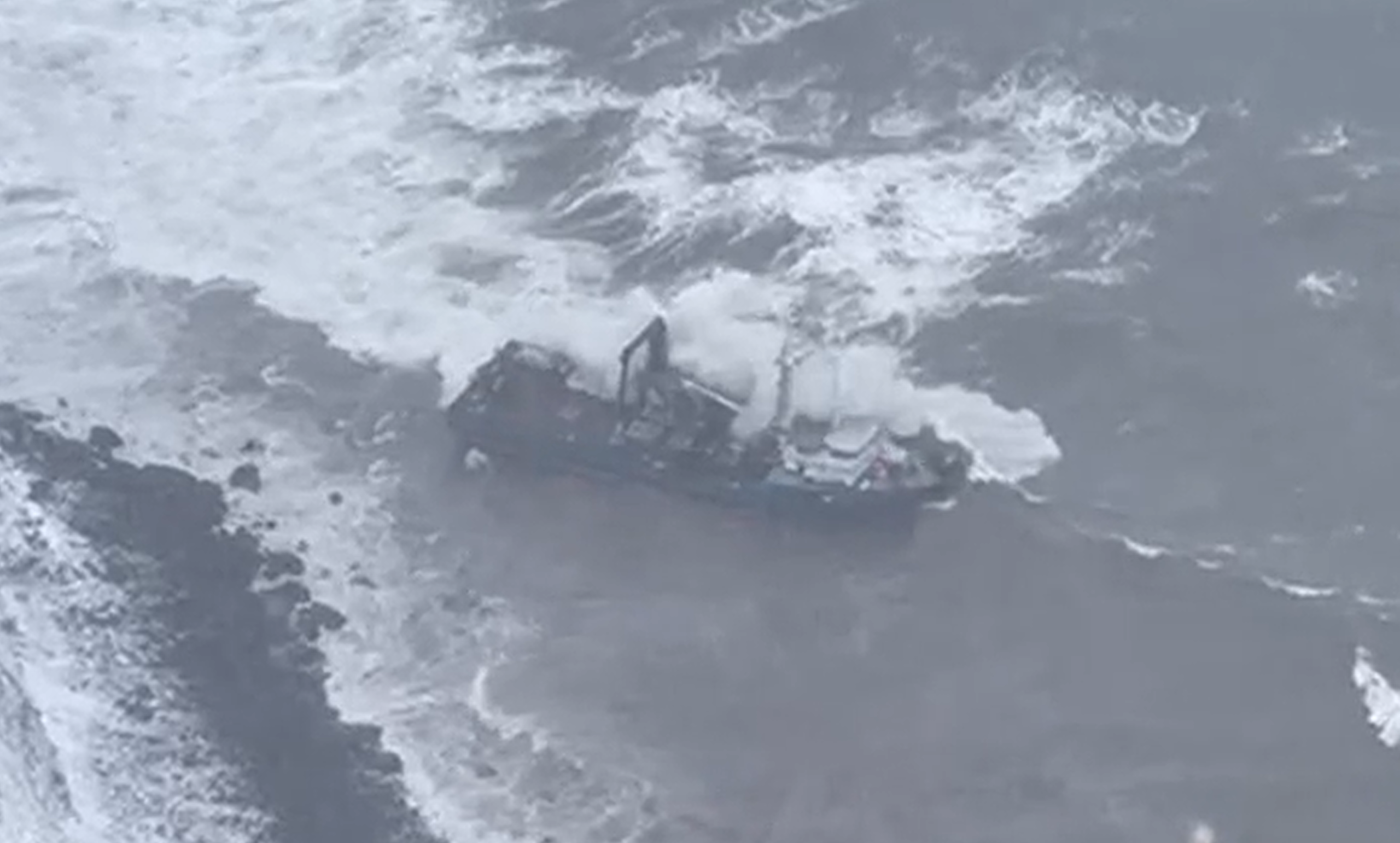 The F/V ARCTIC SEA ran aground on St. George Island in the Pribilofs on January 5th, 2026, and Alaska environmental officials have confirmed that roughly 45,000 gallons of diesel fuel has been released into the ocean. It has been found that five months after the grounding, fuel was still seeping from the vessel.
The F/V ARCTIC SEA was a 134-foot crab boat working through a gale force storm when it lost power. The vessel was caught off the northern shore with no propulsion, facing 50-knot winds and 10-foot seas. It ran aground and began taking on water. The U.S. Coast Guard responded swiftly and rescued all nine crew members, then took them safely to St. Paul, where emergency medical personnel were waiting.
A June 1st, 2026, inspection by Global Diving & Salvage, conducted for a pollution survey, found that the starboard double-bottom tank still held 5,821 gallons of diesel, nearly six thousand gallons sitting in a single breached tank six months after the incident. According to the Alaska Department of Environmental Conservation (DEC) report from June 9, 2026, the team from Global Diving & Salvage stopped further leakage from that tank by plugging its vent and standpipe.
The other 10 tanks on board are suspected to have already been breached over the winter months, which is consistent with the broader damage picture. The report also states that about 2,000 gallons of lube oil and hydraulic fluid were washed out due to vessel damage, and that the fish holds were found open to the sea with no crab remaining. Removal of the remaining fuel and salvage plans are ongoing.
No adverse impact on marine life or wildlife has been reported to date, and DEC’s forecast for St. George Island looks favorable for wreckage removal over the next 10 days.
Polaris Applied Sciences conducted a drone survey of the wreckage site as well as shoreline surveys, and on June 1st, 2026, collected mussel samples from three locations to establish a baseline contamination level and assess shellfish contamination risk. DEC spokesman Mark Sielaff has reported that those test results are not yet available.
A grounding like this raises questions that go beyond environmental cleanup: what caused the power loss? Was this vessel in seaworthy condition? Were the vessel’s mechanical systems adequately maintained? Did the crew have the gear that they needed when conditions turned? Nine people went into a 50-knot gale storm and they came home. That outcome depended on a fast, competent U.S. Coast Guard response. The incident can be further explored at our original post, Nine Fishermen Rescued After Vessel Runs Aground in Bering Sea Storm.
If you or someone you know was affected by this casualty or another commercial fishing vessel incident in Alaska waters or you have a question about a vessel seaworthiness claim, Stacey & Jacobsen, PLLC can help. Call 1-877-DECKLAW.