Articles Posted in Coast Guard Rescue

Published on:

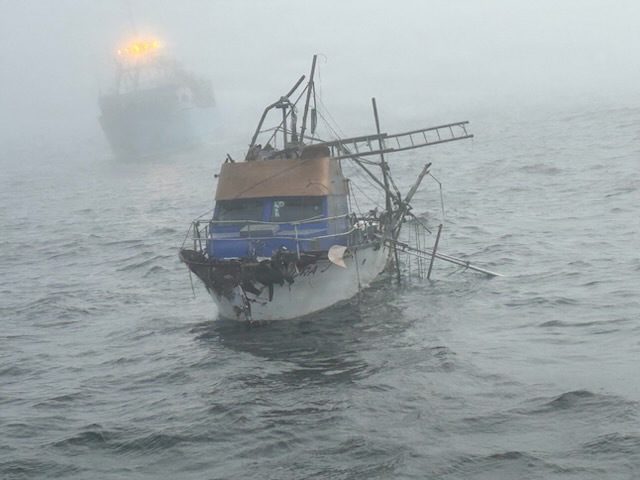
NoraJ-300x225A collision between two commercial fishing vessels off the Washington coast recently left one boat at the bottom of the ocean and three crew members narrowly escaping the frigid Pacific waters.

On the morning of July 21, 2026, the U.S. Coast Guard responded to a distress call roughly 22 miles off Grays Harbor. Authorities reported that the 62-foot F/V TABITHA collided with the 35-foot wooden-hulled F/V NORA J. While the F/V TABITHA escaped with minor damage, the F/V NORA J sustained severe hull breaches and immediately began taking on water.

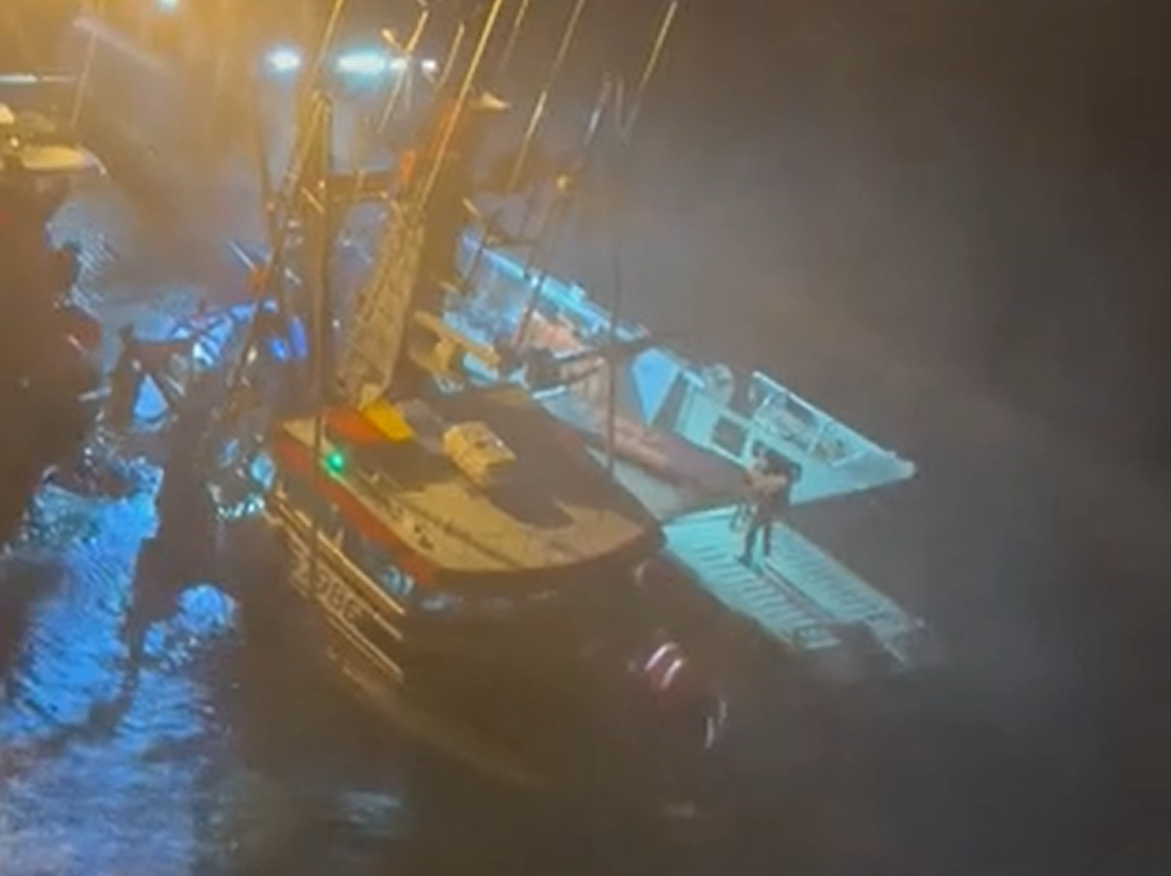
A U.S. Coast Guard motor lifeboat crew out of Station Grays Harbor arrived shortly after the incident, and evacuated the three fishermen aboard the F/V NORA J. The F/V TABITHA stood by to assist, but despite coordinated dewatering efforts, the F/V NORA J could not be saved and sank in about 300 feet of water.

Published on:

Sucia_Island_Rescue-300x205On Thursday evening July 23, 2026, a Kenmore Air floatplane carrying ten passengers and a pilot went down in Shallow Bay near Sucia Island in the San Juan Islands. The aircraft made an emergency landing on the water and later caught fire. Every single person on board survived, and that outcome is a tribute to all the people who responded.

The U.S. Coast Guard, the U.S. Navy, the Canadian Coast Guard, San Juan County Sheriff’s boats, Washington State Park rangers, Airlift Northwest, and Bellingham Fire Department EMS all worked together to get eleven people off the water and to a higher level of care. However, before any official responders arrived, good Samaritans who were nearby pulled people from the wreckage, tied their boats together to make a stable platform, and started treating injuries with the first aid supplies they had on hand. That is the kind of immediate response and teamwork that is needed when it comes to saving lives on the water.

We write most often about commercial fishing crews and maritime worker safety, but this accident is a good reminder that the water off Washington and British Columbia can be remote, it is cold, and it takes time for official responders to arrive. Sucia Island is only reachable by boat or helicopter, and the agencies involved train for exactly this kind of coordinated response. If you have ever been on a boat that assisted in a rescue, or if your vessel has served as a stable platform for injured people the way these good Samaritan vessels did on Thursday, you understand that the swift actions by those in the area may very well have saved lives.

Published on:

Regatta_2026_Logo-236x300Every August, the town of Astoria, Oregon, celebrates the Columbia River, the sea, and the people who have spent generations working it. The Astoria Regatta Festival has been a hometown tradition since 1894, which makes it one of the oldest festivals in the Pacific Northwest, and the oldest celebration in Oregon’s oldest city. This longevity does not happen by accident. It happens because a community keeps deciding, year after year, that their maritime story is important and worth sharing and remembering.

The Astoria Regatta celebrates the area’s maritime tradition. Commercial and recreational boaters alike demonstrate the pride they have in this tradition through land and sea parades, search and rescue demonstrations, boat races, and a Seafarers’ Memorial. Through these events and the Regatta, the community pays homage to the hardworking men and women who built this industry, many of them multi-generational family mariners, and the excitement to continue the tradition for generations to come.

To understand why this festival matters, one must understand the river. Astoria sits where the Columbia meets the Pacific, a stretch of water that has carried Native American canoes, tall-masted clipper ships, U.S. Navy vessels, U.S. Coast Guard cutters, and generations of fishing boats. It is not an easy river to navigate. The bar at the mouth of the river is one of the most dangerous stretches in the world, earning it the nickname “Graveyard of the Pacific.” Every person who has piloted a boat across this bar, whether for a living or for pleasure, knows it demands respect and patience. The Regatta was born out of that knowledge and practice.

Published on:

San_Fran-300x200It is with great sadness that we report on a gathering that turned tragic Tuesday, July 14th, 2026,when a 49-foot, three-deck cabin cruiser capsized and sank near Alcatraz in San Francisco Bay. The vessel, carrying 20 family members and friends who had gathered to scatter the ashes of a loved one, was struck by a wave, took on water, and rolled over before sinking. One person died after being pulled from the water, and 16 others were rescued. Three people remain missing after the U.S. Coast Guard suspended the search Wednesday evening, July 15th, 2026, following an effort that covered more than 814 square miles.

Before emergency crews could arrive, two commercial fishermen who happened to be in the area became the first rescuers on the scene. The fishermen noticed something unusual on the water in the distance, but by the time they reached the vessel, it was half submerged, with passengers in the water and others trapped inside the cabin. The two men pulled many people to safety and worked to keep those in the water afloat and calm as they searched for others.

Their quick action is a powerful reminder of how often boaters and fishermen step in during the critical minutes before rescue crews can respond and how important it is to always be prepared.

Published on:

Coast_Guard_Georgia-300x225A crewmember aboard a commercial fishing vessel was medically evacuated on Friday, June 12th, 2026, after becoming ill while fishing 92 miles offshore Brunswick, Georgia.

The operator of the 44-foot F/V STILL FISHING contacted U.S. Coast Guard Sector Charleston’s command center to report that a 56-year-old male crewmember was experiencing gastrointestinal symptoms. Watchstanders consulted with the duty flight surgeon, who recommended a medical evacuation.

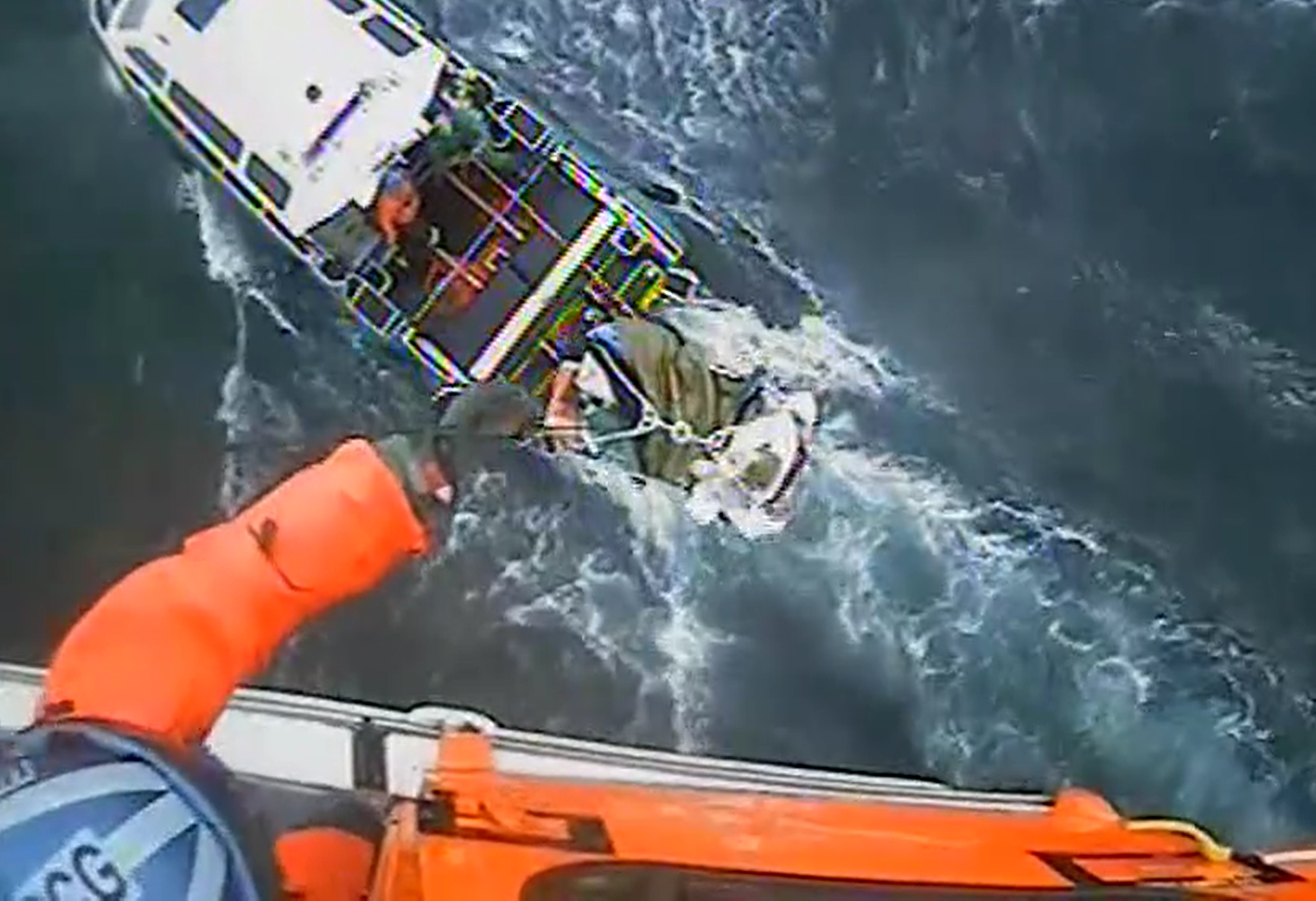
Because of the vessel’s distance from shore, watchstanders launched an MH-60 Jayhawk helicopter crew from Air Station Clearwater to conduct the medevac. The crew located the vessel, hoisted the man aboard, and transported him to St. Simons Island Airport in Georgia, where emergency medical services took over his care.

Published on:

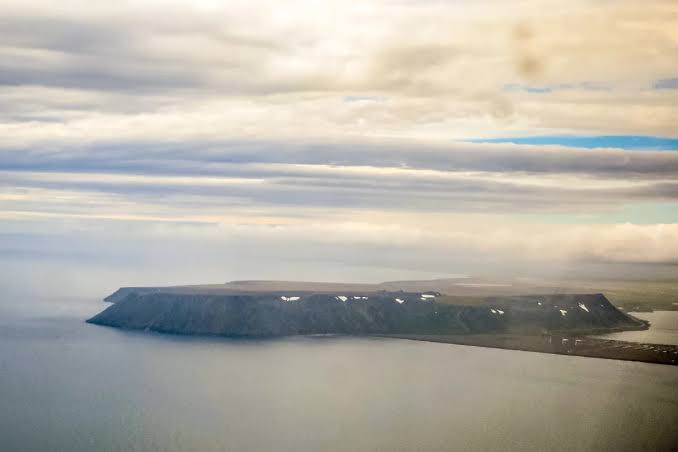
Arctic-Sea-300x181The F/V ARCTIC SEA ran aground on St. George Island in the Pribilofs on January 5th, 2026, and Alaska environmental officials have confirmed that roughly 45,000 gallons of diesel fuel has been released into the ocean. It has been found that five months after the grounding, fuel was still seeping from the vessel.

The F/V ARCTIC SEA was a 134-foot crab boat working through a gale force storm when it lost power. The vessel was caught off the northern shore with no propulsion, facing 50-knot winds and 10-foot seas. It ran aground and began taking on water. The U.S. Coast Guard responded swiftly and rescued all nine crew members, then took them safely to St. Paul, where emergency medical personnel were waiting.

A June 1st, 2026, inspection by Global Diving & Salvage, conducted for a pollution survey, found that the starboard double-bottom tank still held 5,821 gallons of diesel, nearly six thousand gallons sitting in a single breached tank six months after the incident. According to the Alaska Department of Environmental Conservation (DEC) report from June 9, 2026, the team from Global Diving & Salvage stopped further leakage from that tank by plugging its vent and standpipe.

Published on:

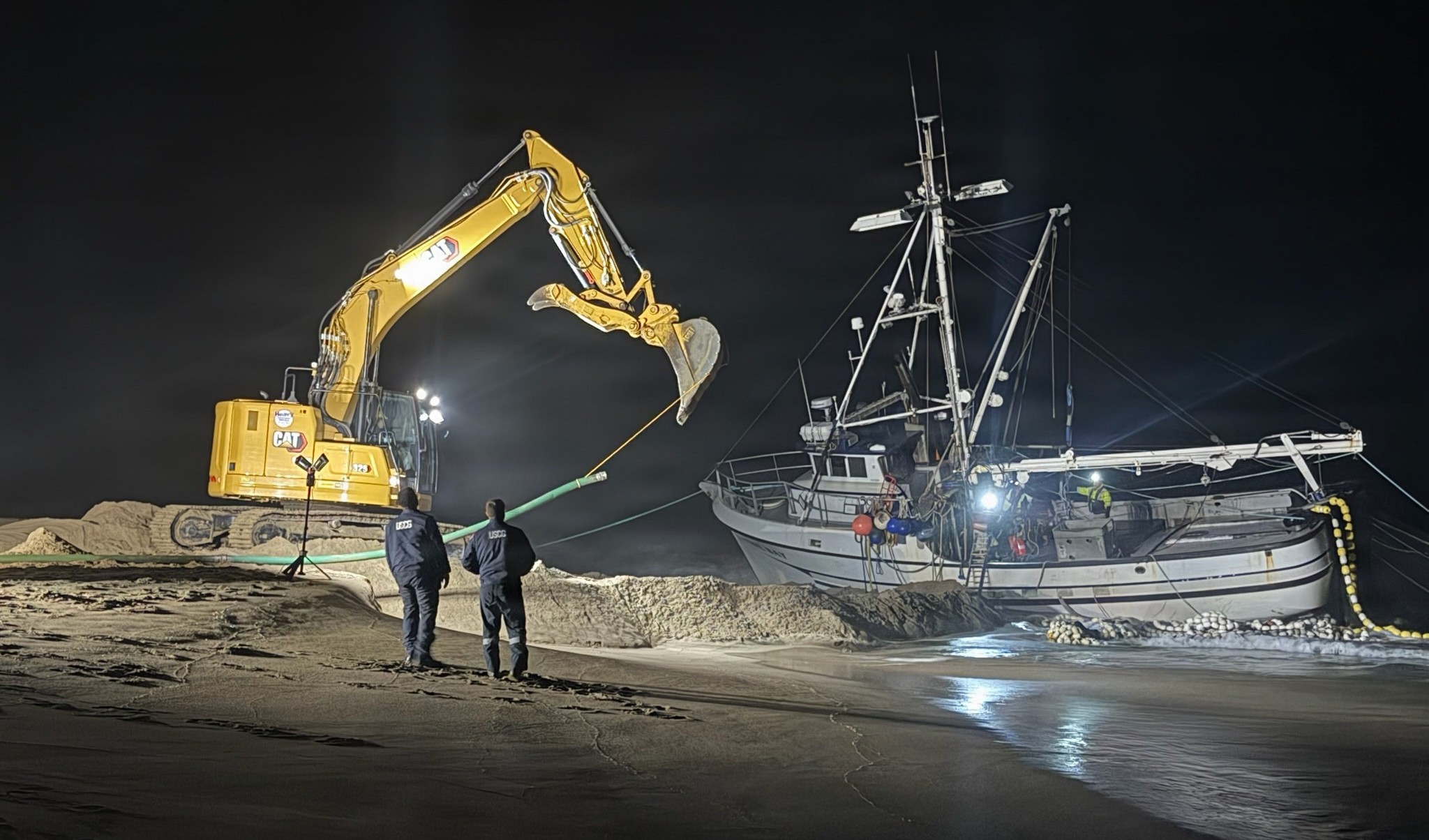
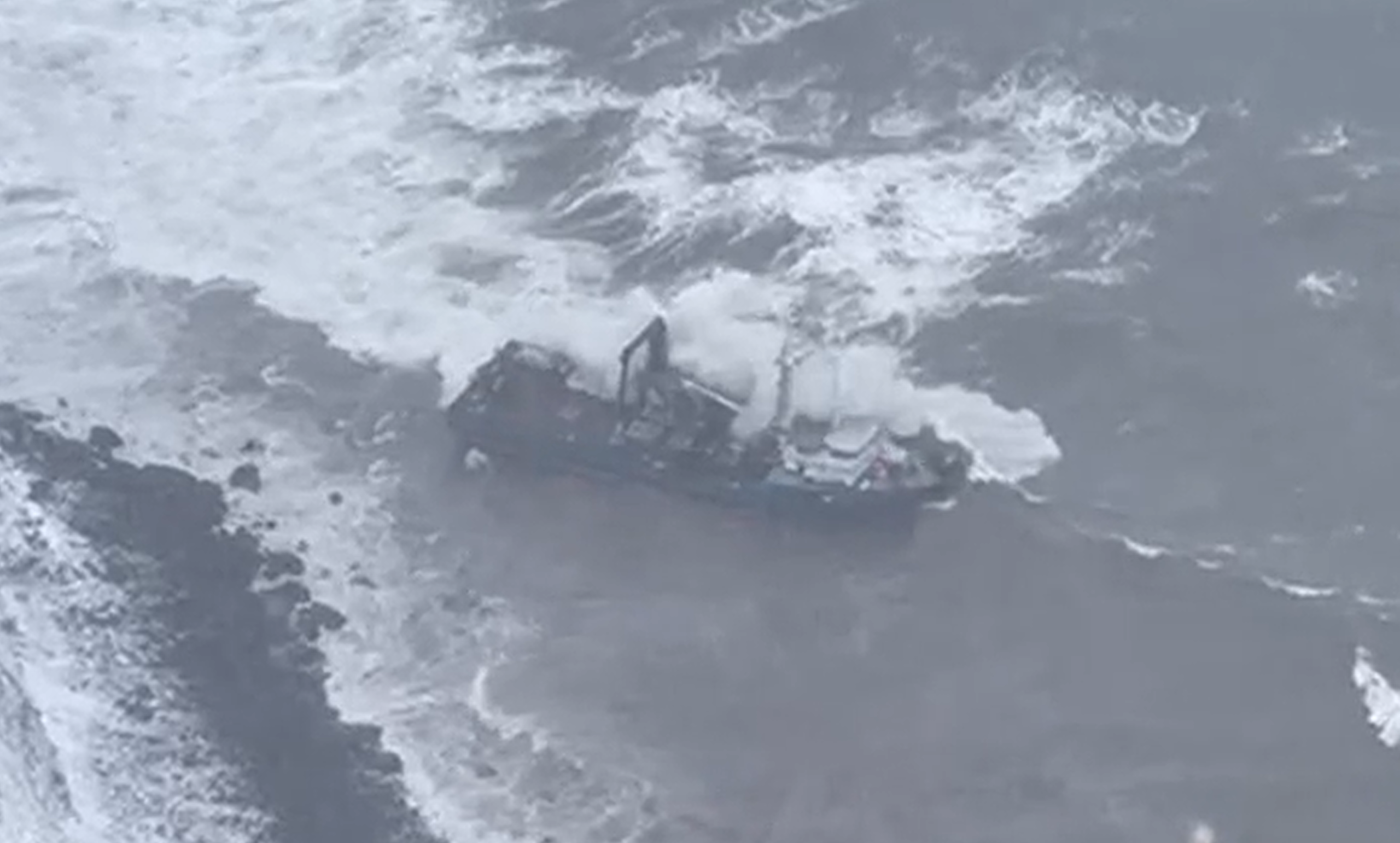
FV-LEGACY-300x190At 7:47 p.m. on April 4, 2026, first responders in Gloucester, Massachusetts were called when the F/V LEGACY ran aground on rocks about twenty yards from shore. Waves battered the hull and pushed the boat harder against the rocks, causing increasingly severe damage.

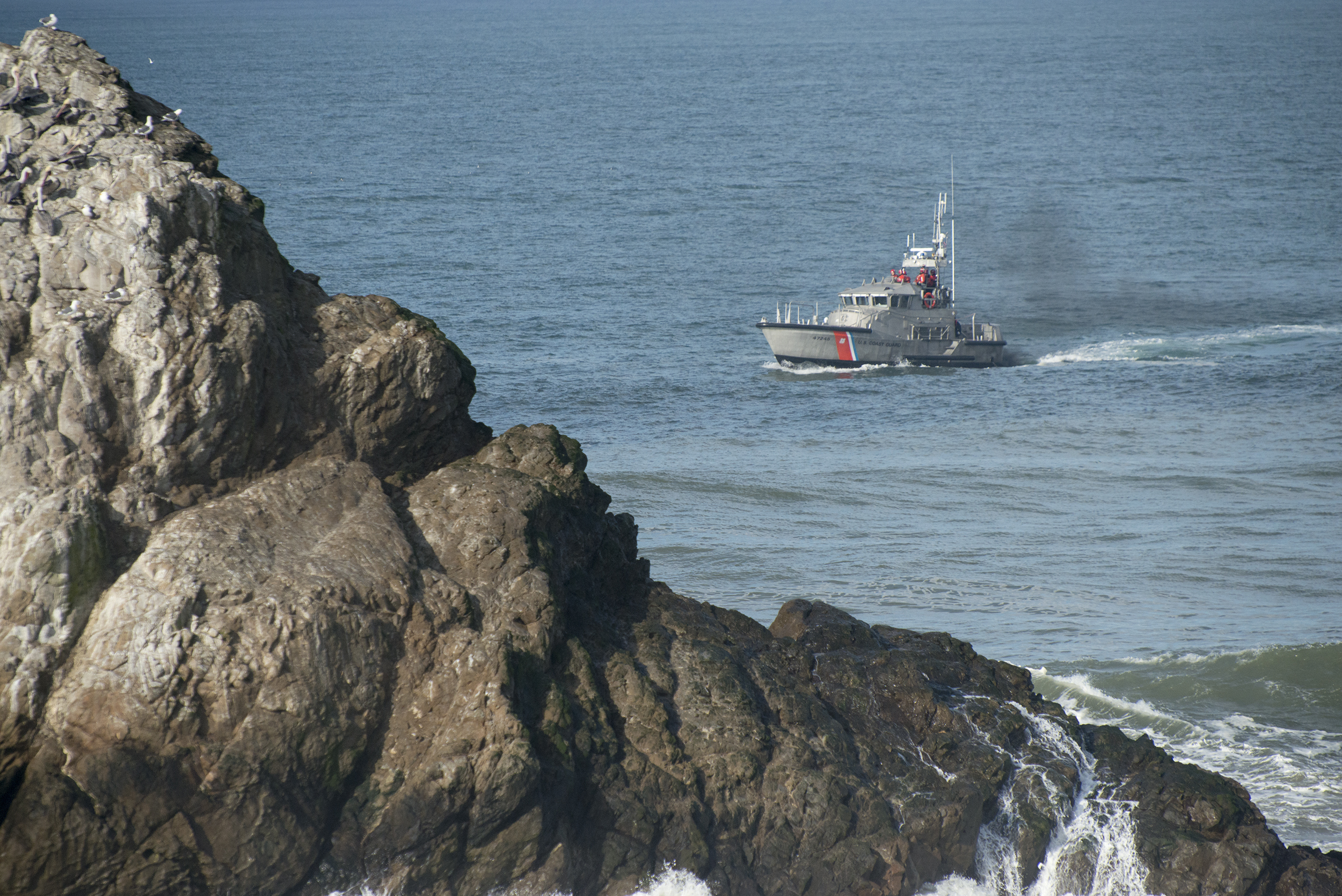
The two crew members were unable to free the vessel from the rocks. First responders called in the U.S. Coast Guard, which responded with a 47-foot rescue boat from USCG Gloucester Station but even that effort could not pull the F/V LEGACY free from the rocks. As conditions worsened, the decision was made to evacuate the crew.

A coordinated response by Gloucester Fire Engine 1, Ladder 1, and Rescue 1 worked alongside police and the harbormaster to rescue the fishermen. Firefighters had the crew don survival suits, tossed rescue lines to them, and helped them off the rocks onto dry land. Both fishermen were evaluated by officials at the scene, and no injuries were reported. The U.S. Coast Guard remained on the scene to monitor the vessel.

Published on:

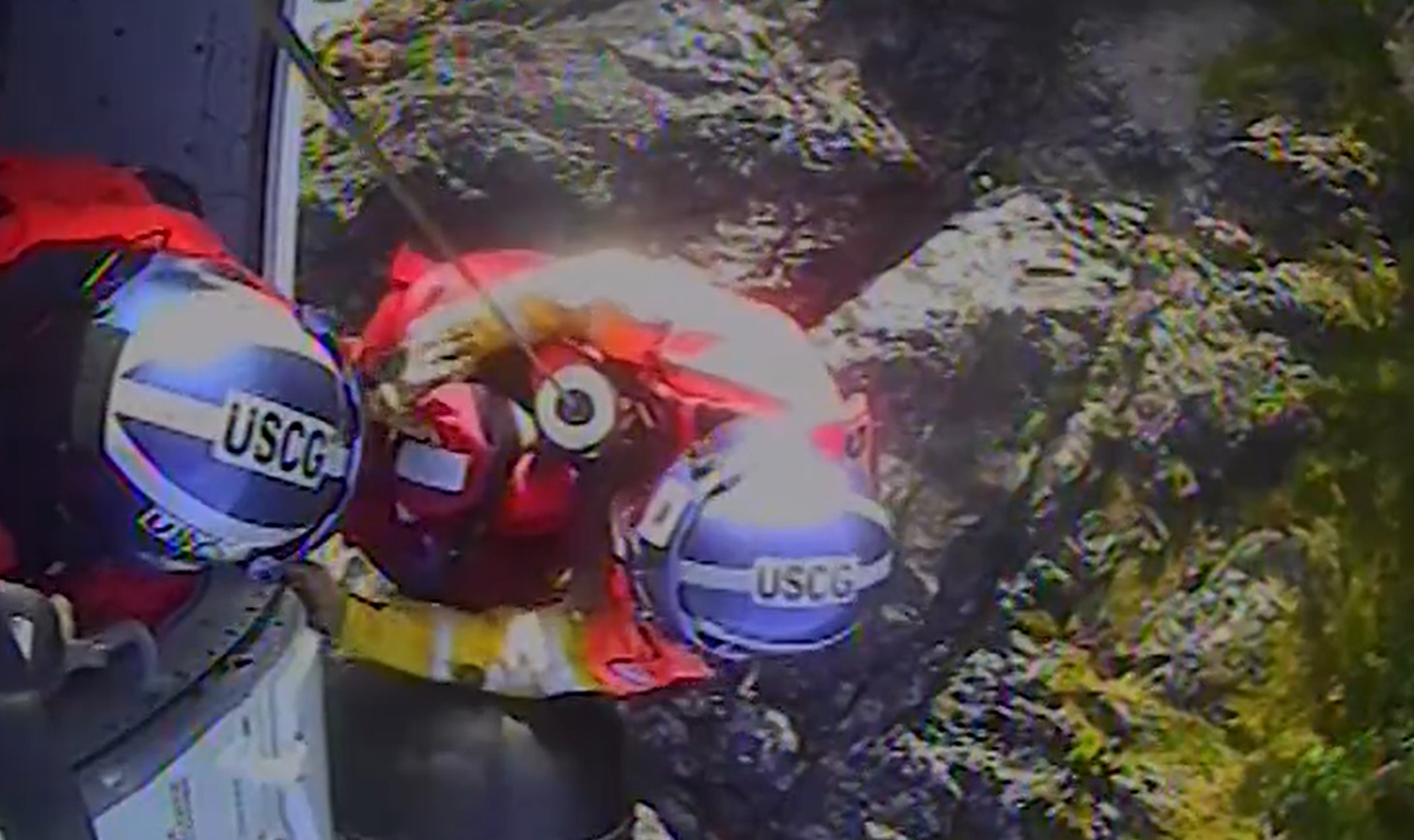
Ocean-Bay-Rescue-300x195On April 2, 2026, the 58-foot F/V OCEAN BAY ran aground on Umnak Island’s northern shore in the Aleutians. At 4:45 a.m., the U.S. Coast Guard Arctic District Command Center in Juneau received a report that the vessel was taking on water. Watchstanders immediately coordinated a multi-asset response, dispatching an MH-60 Jayhawk helicopter crew and an HC-130 Hercules airplane crew from U.S. Coast Guard Air Station Kodiak and diverted the Cutter WAESCHE to the scene.

A Good Samaritan vessel, F/T SEAFREEZE ALASKA, a 295-foot factory trawler, was first to arrive on the scene at approximately 5 a.m. The Hercules crew and WAESCHE reached the area about three hours later. By that time, the crew of the F/V OCEAN BAY had successfully stopped the flooding and dewatered the vessel.

The Jayhawk aircrew arrived at approximately 11:15 a.m. and hoisted all five crew members to safety, transporting them to Dutch Harbor for medical evaluation. Resolve Marine has been contracted to oversee salvage operations on the grounded vessel.

Published on:

Vesta_Renee-1-300x161A prompt U.S. Coast Guard response saved three fishermen’s lives off the coast of Boothbay Harbor, Maine, on Wednesday March 11th, 2026, after the 40-foot F/V VESTA RENEE sank approximately 23 miles offshore.

The distress call came in at 7:03 a.m., when the crew radioed U.S. Coast Guard Sector Northern New England on VHF Channel 16. The vessel was taking on water fast, and the mariners made the decision to abandon ship.

Within ten minutes of receiving the mayday, the U.S. Coast Guard had launched a 47-foot motor lifeboat from Station Boothbay Harbor, an HC-144 Ocean Sentry aircraft, and an MH-60 Jayhawk helicopter crew from Air Station Cape Cod. Rescuers also asked the fishermen to activate their Emergency Position Indicating Radio Beacon (EPIRB), a critical step that helped pinpoint the crew’s location in open water.

Published on:

FV-Quantum-300x225The U.S. Coast Guard rescued two fishermen Wednesday morning after their vessel ran aground on rocks near Pasagshak Bay, approximately two miles offshore from Kodiak Island.

The 41-foot F/V QUANTUM, based out of Homer, struck rocks surrounding a small island near Ugak and Pasagshak Bays around 7:08 a.m. on January 21, 2026. The crew immediately reported they were taking on water and issued an SOS to the U.S. Coast Guard Sector Western Alaska and U.S. Arctic command center.

Watchstanders quickly issued an Urgent Marine Information Broadcast, and nearby good Samaritan vessels confirmed that both crewmembers were wearing survival suits, a decision that officials say may have been critical to their safety.

Contact Information