 Maritime Injury Law Blog
Seaplane Crash Near Sucia Island Shows What Good Rescue Coordination Looks Like


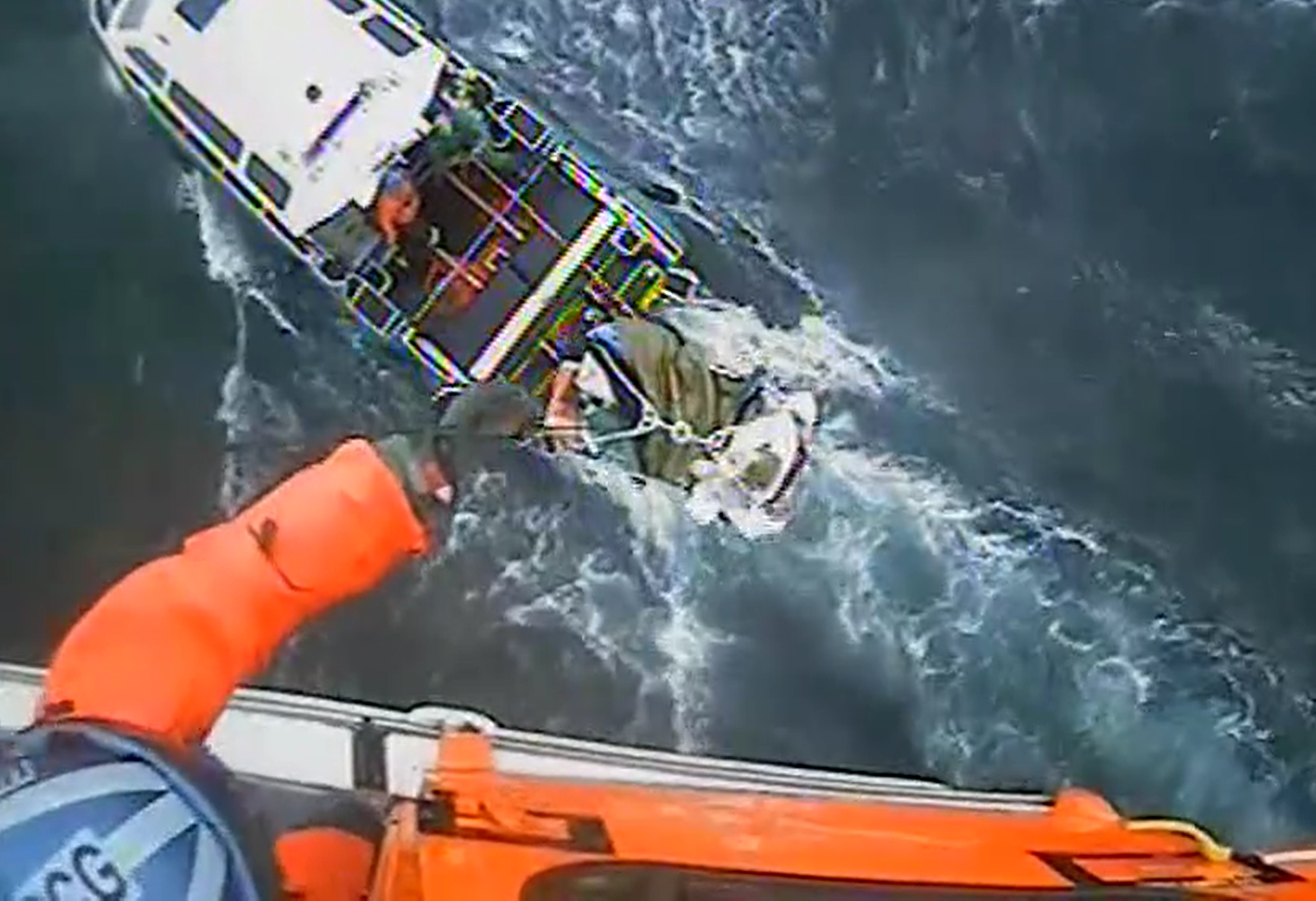 On Thursday evening July 23, 2026, a Kenmore Air floatplane carrying ten passengers and a pilot went down in Shallow Bay near Sucia Island in the San Juan Islands. The aircraft made an emergency landing on the water and later caught fire. Every single person on board survived, and that outcome is a tribute to all the people who responded.
The U.S. Coast Guard, the U.S. Navy, the Canadian Coast Guard, San Juan County Sheriff’s boats, Washington State Park rangers, Airlift Northwest, and Bellingham Fire Department EMS all worked together to get eleven people off the water and to a higher level of care. However, before any official responders arrived, good Samaritans who were nearby pulled people from the wreckage, tied their boats together to make a stable platform, and started treating injuries with the first aid supplies they had on hand. That is the kind of immediate response and teamwork that is needed when it comes to saving lives on the water.
We write most often about commercial fishing crews and maritime worker safety, but this accident is a good reminder that the water off Washington and British Columbia can be remote, it is cold, and it takes time for official responders to arrive. Sucia Island is only reachable by boat or helicopter, and the agencies involved train for exactly this kind of coordinated response. If you have ever been on a boat that assisted in a rescue, or if your vessel has served as a stable platform for injured people the way these good Samaritan vessels did on Thursday, you understand that the swift actions by those in the area may very well have saved lives.
People sometimes ask us whether a plane crash on the water is a maritime case. The honest answer is that it depends on the details. Admiralty and maritime law can apply to incidents on navigable waters, including aviation accidents, but the legal path for an injured passenger looks different from the Jones Act protections available to seamen. Passengers on a commercial floatplane may have claims under general aviation liability law, admiralty jurisdiction, or both, depending on where the flight originated, where it went down, and the nature of the injuries. The National Transportation Safety Board (NTSB) is leading an investigation into what happened, and the results of that inquiry will matter a great deal for anyone with a potential claim.
For our commercial fishing and maritime worker audience specifically, this incident is a useful moment to think about your own safety and preparedness.
If you or someone you know was involved in this accident or in an incident at sea, we are here to answer questions. Call us at 1-877-DECKLAW.