 Maritime Injury Law Blog
Coast Guard Medevacs Ailing Crew Member From Cargo Ship Off Hawaii


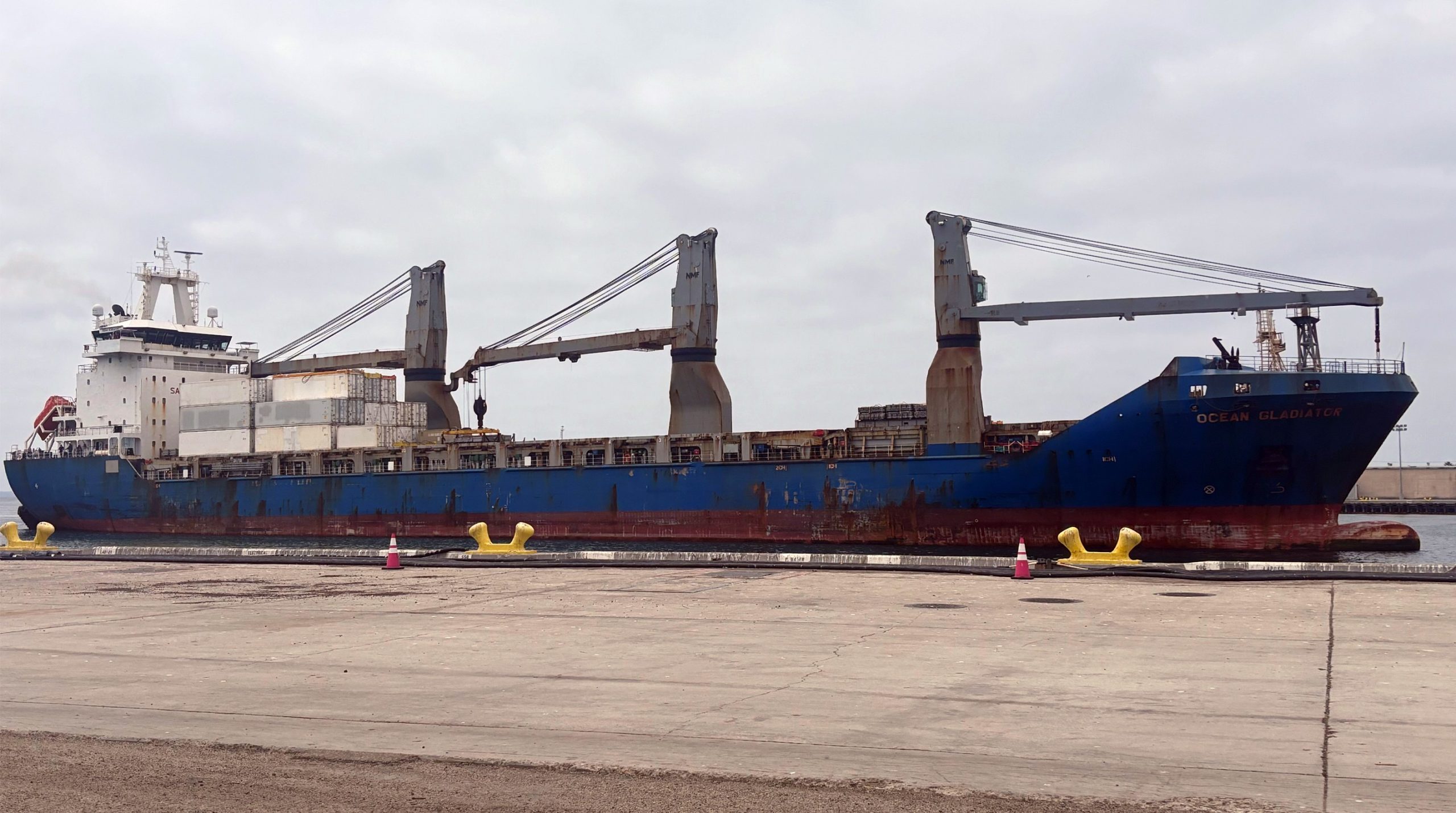
On Wednesday, October 7th, 2026, the U.S. Coast Guard medevaced an ailing crew member from the M/V OCEAN GLADIATOR, a 545-foot U.S. flagged cargo ship, which was located about 86 miles off the Big Island of Hawaii. An MH-65 Dolphin helicopter crew from Coast Guard Air Station Barbers Point hoisted a 55-year-old man at 8:35 a.m. and flew him to Hilo International Airport, where he was transferred to a higher level of medical care.
The call for help came a day earlier. At 7:50 a.m. on Tuesday, October 6, watchstanders at Joint Rescue Coordination Center Honolulu received a request from the ship’s crew, who reported that a crew member had been experiencing a medical condition aboard the vessel. At the time, the M/V OCEAN GLADIATOR was roughly 540 miles southeast of the Big Island, beyond helicopter range. After consulting with the duty flight surgeon, who recommended a medevac. Watchstanders kept in contact with the crew to monitor the patient and planned the hoist for when the ship came within reach of the helicopter.
The M/V OCEAN GLADIATOR was on a long voyage from Baltimore to Manila, carrying two decommissioned U.S. Coast Guard cutters to the Philippine Coast Guard, along with a fuel barge, as deck cargo. Tracking data showed the vessel resumed its voyage after the medevac. The U.S. Coast Guard has not released details about the man’s condition, and we wish him a full recovery.
This rescue is a reminder of how isolated life aboard a sea vessel can be. When a mariner becomes sick or injured hundreds of miles from shore, help may be a day or more away, and the crew’s ability to care for and monitor that person while waiting for medical care matters a great deal. The same is true for the many mariners who work the Pacific routes between Washington, Alaska, and Hawaii.
Crew members aboard U.S. flagged cargo ships and tugboats are generally considered seamen under the Jones Act, which allows them to file a claim against their employer when negligence contributes to an injury or illness. On a cargo ship, that might involve unsafe cargo handling, falls on wet or cluttered decks, inadequate training, or delays in getting a sick crew member to medical care. On a tugboat, crew members face risks such as parted towlines and other line handling injuries. Seamen are also protected by the doctrine of unseaworthiness, which holds vessel owners responsible for providing a ship, equipment, and crew reasonably fit for their intended purpose. Maintenance and cure entitles a seaman who becomes ill or injured while in the service of the vessel to daily living expenses and medical care until maximum medical improvement, regardless of fault. That point is especially relevant in cases like this, because maintenance and cure covers illnesses that arise during a voyage, not just accidents and injuries.
If you or a loved one became ill or was injured while working aboard a cargo ship, tugboat, or other commercial vessel, the maritime attorneys at Stacey & Jacobsen, PLLC can help you understand your rights. Call us at 1-877-DECKLAW to talk through your situation.