 Maritime Injury Law Blog
Immersion Suit and Float Plan Help Save Fisherman After F/V TYEE Sinks Near Admiralty Island


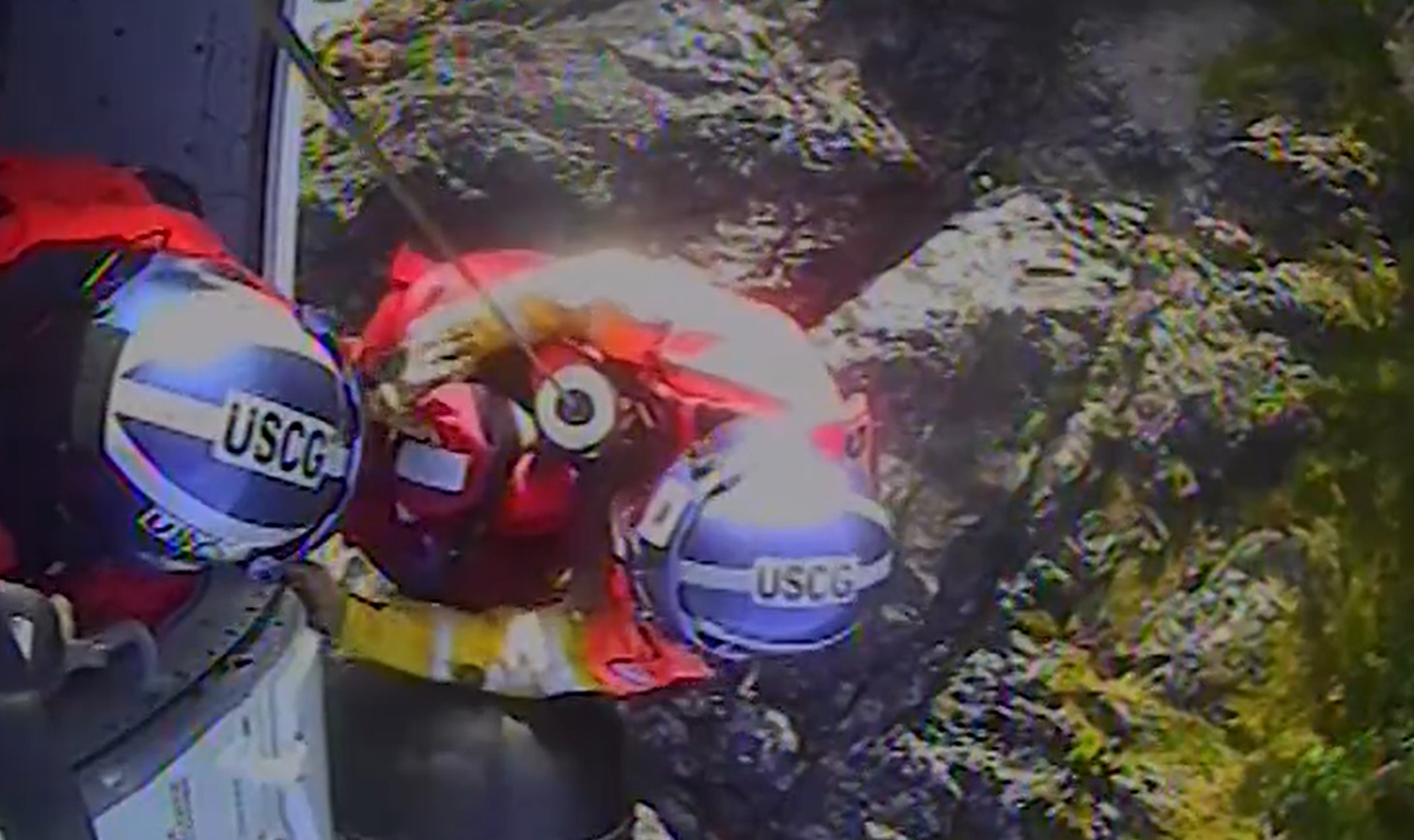 A Southeast Alaska fisherman is recovering in Sitka after his 40-foot wooden fishing vessel, the F/V TYEE, sank near Murder Cove on the southern tip of Admiralty Island. The U.S. Coast Guard reports that the details of his rescue offer a clear lesson in how preparation can change the outcome of an emergency at sea.
According to the U.S. Coast Guard, the boater left Sitka on Friday, September 25th, bound for Ketchikan, and was expected to arrive Monday evening or Tuesday. He was last heard from near Murder Cove around 6 a.m. on Sunday, September 27th. After he was reported overdue at 10:28 a.m. on Monday, September 28th, 2026, watchstanders at Sector Southeast Alaska tried to reach him by VHF radio and cellphone. When those attempts failed, they launched an MH-60 Jayhawk helicopter crew from Air Station Sitka and the crew of the U.S. Coast Guard Cutter PIKE.
That afternoon, a nearby fishing vessel acting as a good Samaritan found an ice chest and life raft in Murder Cove. About two hours later, the helicopter crew located the man on the Admiralty Island shoreline, two miles east of the cove, and hoisted him aboard for transport to waiting emergency medical personnel in Sitka.
The survivor told rescuers that when the F/V TYEE began taking on water, he put on his survival suit and climbed into his life raft. When the raft also began taking on water, he swam to shore.
Several things went right here. Someone knew his route and when to expect him back, which is at the center of a float plan. His immersion suit was within reach, and he put it on before abandoning ship. A fellow fishing crew also joined the search. Cmdr. Rianne Troutman, the search and rescue mission coordinator, said the immersion suit “drastically extended his survival time,” and urged mariners to carry cold-water survival gear, file a float plan, and keep safety equipment accessible before an emergency occurs.
“In the unforgiving waters of Southeast Alaska, preparation makes the difference between tragedy and survival,” said Cmdr. Rianne Troutman, search and rescue mission coordinator for Coast Guard Sector Southeast Alaska. “The survivor donning an immersion suit drastically extended his survival time and gave our search crews the fighting chance needed to bring him home safely. We cannot overstate the importance of carrying proper cold-water survival gear, filing a float plan, and ensuring your safety equipment is accessible before an emergency occurs.”
The life raft is a reminder that survival equipment is only as good as its condition. Rafts need regular inspection and servicing, and immersion suits should be checked every season for proper fit, zipper function, and leaks.
For crew members on commercial fishing vessels, this is more than good practice. Under general maritime law, vessel owners owe their crews a seaworthy vessel, which includes properly maintained, working safety and survival gear. When missing or faulty equipment contributes to an injury, a crew member may have claims for unseaworthiness and for negligence under the Jones Act. Injured seamen are also generally entitled to maintenance and cure, meaning daily living expenses and medical care until they reach maximum medical improvement, regardless of fault.