 Maritime Injury Law Blog
Five Rescued from Grounded F/V ORACLE Near False Pass


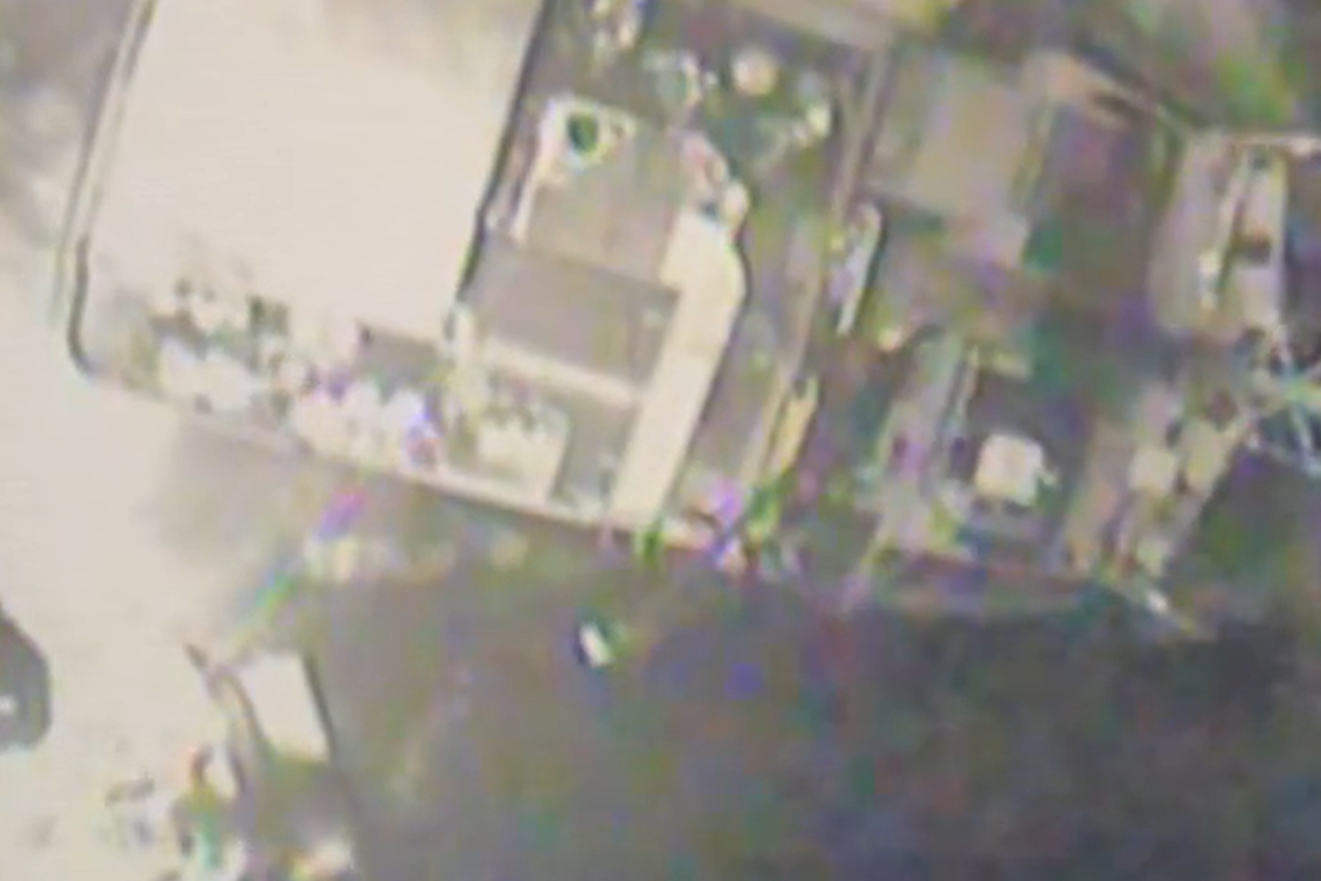 Five crew members were rescued after the 58-foot F/V ORACLE ran aground near False Pass, Alaska, early on October 29th, 2026. At 4:48 a.m., U.S. Coast Guard Sector Western Alaska and U.S. Arctic received a report that the vessel had grounded on the south end of False Pass with five people aboard.
Watchstanders issued an urgent marine information broadcast and launched an MH-60 Jayhawk helicopter crew from Air Station Kodiak, which was deployed to Forward Operating Site Cold Bay. The aircrew arrived on scene at 6:16 a.m. and hoisted all five people from the vessel as surf broke around it. The crew was flown to Anna Livingston Memorial Clinic in Cold Bay, for medical care. The cause of the grounding has not been reported.
The grounding is the latest in a series of Alaska rescues this year. In January 2026, nine people were rescued from the grounded F/V ARCTIC SEA near St. George Island, and two were rescued from the F/V QUANTUM in Pasagshak Bay near Kodiak. In April 2026, five crew members were hoisted from the F/V OCEAN BAY after it ran aground on Umnak Island.
A safe rescue is the best possible outcome, but it is not always the end of the story for the crew. Injuries that seem minor at first, such as back strains, shoulder injuries, or concussions from being thrown against the deck, can become more serious in the days after an incident. A seaman who is injured or falls ill in service of the vessel is owed maintenance and cure, regardless of fault. That includes daily living expenses and medical care until the seaman reaches maximum medical improvement.
Groundings are typically investigated by the U.S. Coast Guard, and those findings can matter later. Under general maritime law, a vessel owner has a duty to provide a vessel reasonably fit for its intended use, including its equipment, charts, and crew. Under the Jones Act, an employer must use reasonable care to keep crew members safe, which includes proper training and emergency drills.
This rescue is also a reminder of why the readiness we have been writing about is so important to the safety of fishermen. When a vessel runs aground in the dark with surf breaking around it, crew members who know where their survival gear is and how a hoist works are better prepared for the help that comes.
We are grateful to the Air Station Kodiak aircrew and the Sector Western Alaska and U.S. Arctic watchstanders for rescuing these five crew members.