Articles Posted in Vessel Safety

Published on:

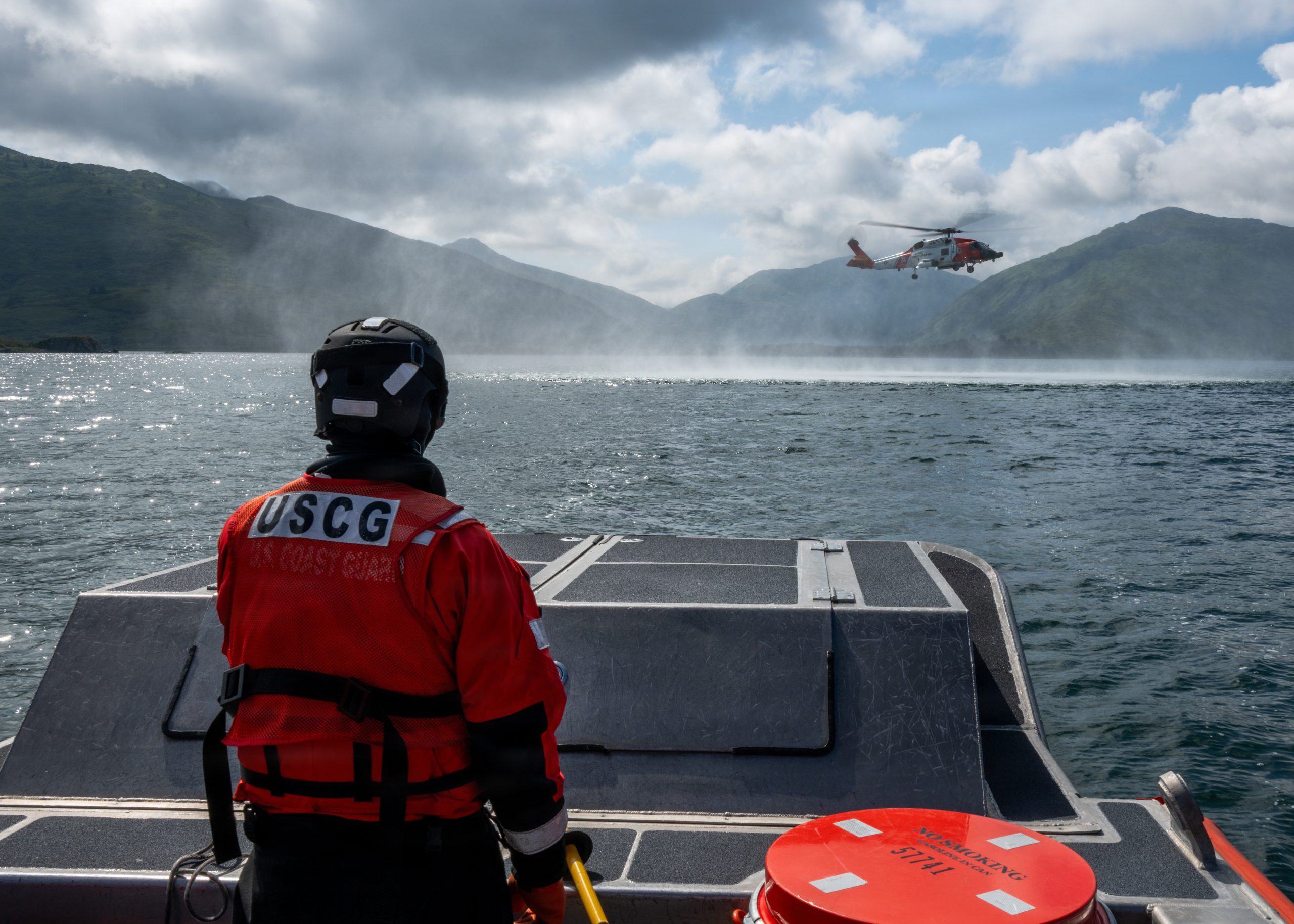
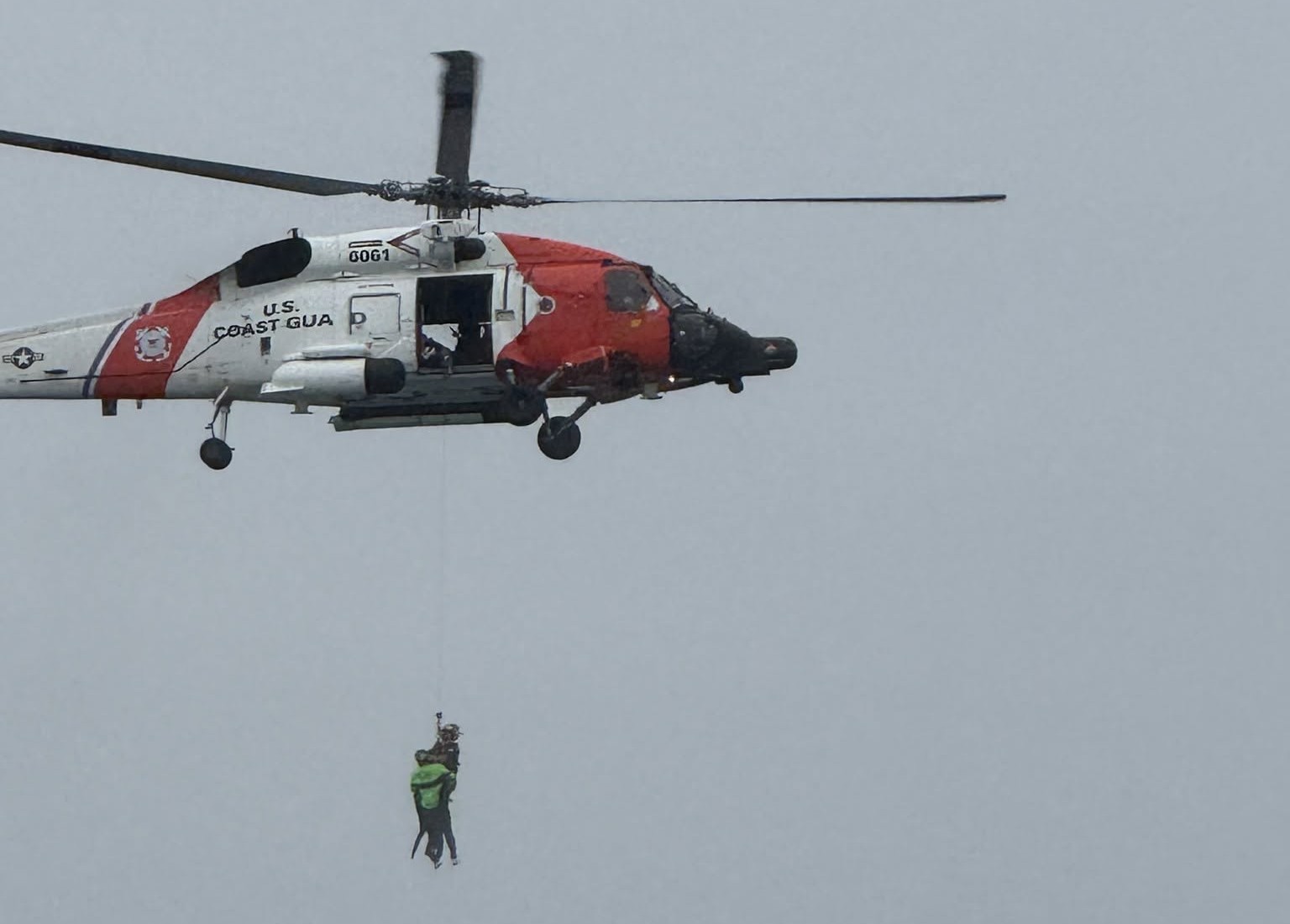
image005-300x209Earlier this year, we reported about how proposed cuts to the National Oceanic and Atmospheric Administration (NOAA) and the National Weather Service were putting commercial fishermen in Alaska, Washington, and Oregon at greater risk by degrading marine weather forecasts. That threat has not gone away, and now a new federal budget proposal makes clear that it is deepening. This time, the target is not just forecasting. It is the safety training programs that have quietly kept Pacific Northwest and Alaska fishermen alive for decades.

The proposed federal fiscal year 2027 budget calls for a $1.6 billion cut to NOAA’s overall budget, a 32 percent reduction that would eliminate entire programs. Congress rejected an identical proposal for FY2026, but the proposed cuts keep coming. The agency has experienced significant staffing reductions due to recent layoffs and attrition. Alaska fishermen reported greater uncertainty about storm forecasts during the 2025 season, and the conditions driving that uncertainty have not improved.

What is different this year is that the scope of that threat has expanded. The proposed cuts are not limited to weather forecasting offices and buoy networks. They also target the federal programs that fund commercial fishing safety training, specifically the Commercial Fishing Safety Research and Training program and the National Institute for Occupational Safety and Health (NIOSH) fishing industry programs.

Published on:

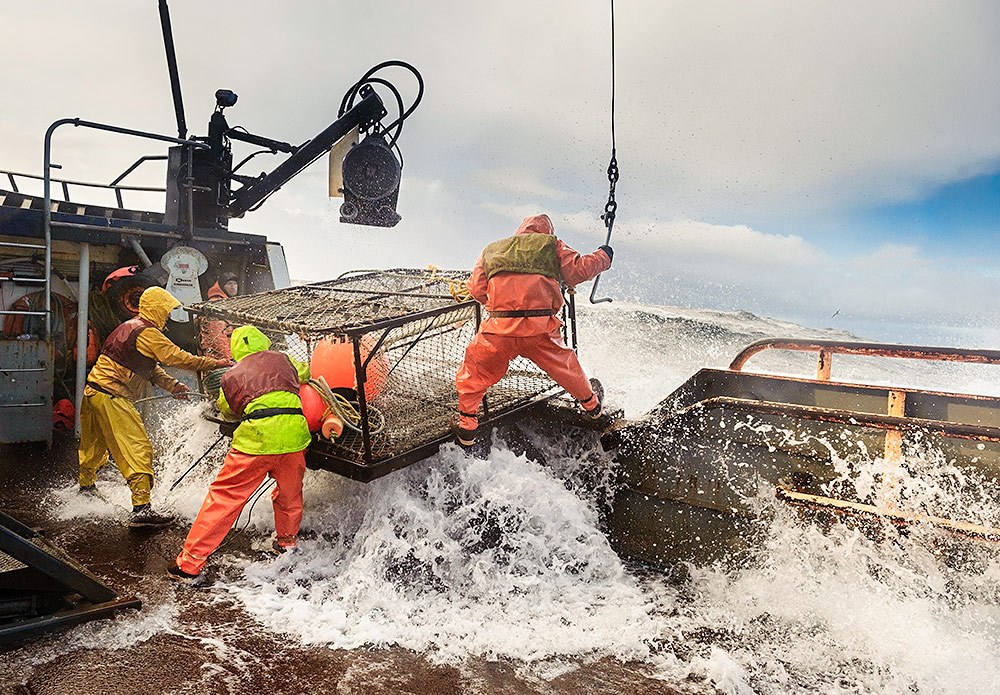
Crabbing2-300x207If you were injured working on a fishing vessel, crab boat, or tug, you’ve probably heard about the Jones Act. But there’s another legal doctrine that maritime workers can use to seek compensation, one that is sometimes overlooked. It’s called the right to a seaworthy vessel, and it’s been protecting maritime workers for over a century.

A vessel is considered unseaworthy if any part of its equipment, crew, or overall condition is not adequately suited for its intended use. This is broader than most people expect.

It doesn’t just mean the boat was sinking. Courts have found vessels unseaworthy because of a wet or icy deck with no non-slip surface, a defective winch or pot hauler, lines or gear that were worn or wrong for the job, inadequate crew for the vessel’s demands, or failure to provide proper safety equipment.

Published on:

Wahl_Marine-300x166Proper maintenance and rebuilding of fishing vessels is critical for ensuring the safety and livelihood of fishermen at sea. Regular inspections, repairs, and upgrades not only extend the life of these vessels but also significantly reduce the risk of accidents and equipment failures, ultimately protecting the crews who rely on them.

This is where Fred Wahl Marine Construction in Reedsport, Oregon steps in. The company has established itself as a leading shipyard, specializing in the construction of high-quality commercial vessels known for their exceptional dependability and durability. This is also where fishing vessels from up and down the West Coast come for repairs and upgrades. Recently, the company has been working on vessels from areas such as Long Beach, California, Newport, Oregon, and Sand Point, Alaska.

From Long Beach, the squid seiner PROVIDER, measuring 59 feet by 24 feet, is getting a major update. Although it had new sponsons installed in 2014 to widen its hull, the original wheelhouse remained. Over time, corrosion developed where the old wheelhouse met the newer deck, requiring the entire wheelhouse to be replaced. Additionally, the PROVIDER is scheduled to receive a new stern tube and improved steering components.

Contact Information