 Maritime Injury Law Blog
Published on:
Fish Processor Injuries and Your Rights Under Maritime Law


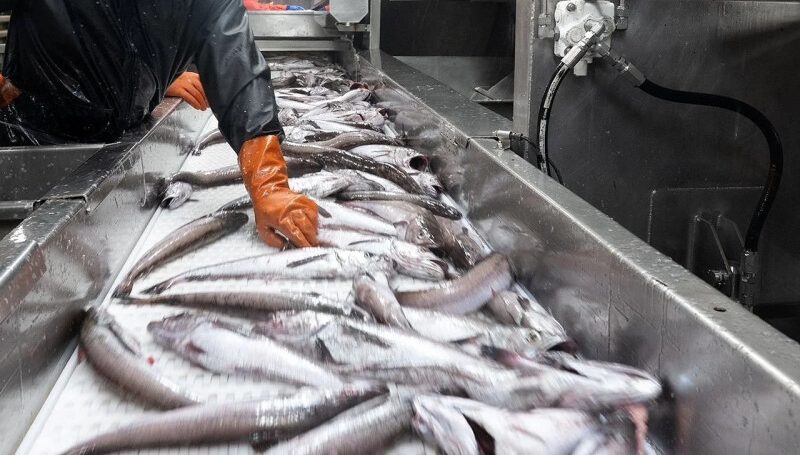 If you work as a fish processor aboard a factory trawler or catcher-processor vessel, you may not think of yourself as a seaman. You spend your shifts below deck, gutting, filleting, and freezing fish, not steering the vessel or hauling gear. However, under federal maritime law, your job title does not determine your legal rights, where you work does.
Fish processors who work aboard vessels actively operating at sea qualify as seamen under the Jones Act. That distinction matters enormously when something goes wrong.
The line that separates Jones Act protection from state workers’ compensation coverage comes down to one question: were you working on a vessel in navigation when you were injured?
