 Maritime Injury Law Blog
Fish Processor Injuries and Your Rights Under Maritime Law


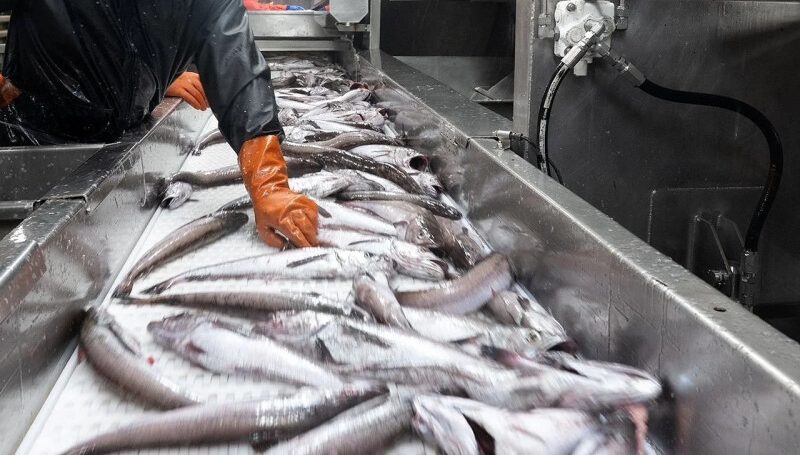 If you work as a fish processor aboard a factory trawler or catcher-processor vessel, you may not think of yourself as a seaman. You spend your shifts below deck, gutting, filleting, and freezing fish, not steering the vessel or hauling gear. However, under federal maritime law, your job title does not determine your legal rights, where you work does.
Fish processors who work aboard vessels actively operating at sea qualify as seamen under the Jones Act. That distinction matters enormously when something goes wrong.
The line that separates Jones Act protection from state workers’ compensation coverage comes down to one question: were you working on a vessel in navigation when you were injured?
Processors employed on factory trawlers, catcher-processors, and motherships operating in ocean waters qualify as seamen. Their work contributes to the vessel’s mission. without the processing operations, the fishing trip has no commercial purpose. Courts have consistently held that this connection satisfies the legal tests for seaman status under the Jones Act.
By contrast, workers injured at shore-based canneries or stationary floating processors are not Jones Act seamen. Their claims fall under the Longshore and Harbor Workers’ Compensation Act, which provides more limited protections.
If you were hurt while your vessel was actively fishing at sea, the stronger protections of federal maritime law almost certainly apply.
Processing work is relentless and physically demanding. Factory trawlers operate around the clock during fishing seasons, and processors routinely work extended shifts in cold, wet, moving environments surrounded by industrial machinery. Common causes of severe injury include:
- Cutting and filleting equipment, including band saws, slicers, and processing lines.
- Conveyor belts and machinery entanglement.
- Slippery decks coated in fish slime, water, and ice.
- Heavy lifting and repetitive motion injuries.
- Cold stress and hypothermia from sustained freezer exposure.
- Falls caused by vessel motion in rough seas.
These hazards are well documented, and vessel owners and processing companies have a legal obligation to address them. When they fail to do so, injured workers have legal recourse.
As a Jones Act seaman, an injured fish processor has three primary legal claims available:
Jones Act negligence allows you to sue your employer if negligence, even a slight degree of it, contributed to your injury. Inadequate training, unsafe equipment, unreasonable work schedules, or failure to maintain safe working conditions can all support a negligence claim.
Unseaworthiness holds vessel owners to an absolute duty to provide a vessel and its equipment that is reasonably fit for its intended purpose. A defective processing machine, a dangerously slippery deck surface, or an inadequately trained crew can each render a vessel unseaworthy.
Maintenance and cure requires your employer to pay your basic living expenses and medical treatment costs from the time of your injury until you reach maximum medical improvement, regardless of who was at fault. If your employer delays, denies, or improperly terminates these benefits, they can face additional liability.
Employers and their insurers sometimes argue that processors are not true seamen or push injured workers toward state workers’ compensation claims that provide significantly lower recoveries. Some workers, unfamiliar with maritime law, accept those terms without realizing what they are giving up.
If you get hurt while working as a fish processor on a ship, talk to a maritime lawyer before agreeing with your employer’s description of your legal situation. The difference between a workers’ compensation claim and a Jones Act claim can mean the difference between a modest settlement and full compensation for your medical costs, lost wages, pain and suffering, and lost earning capacity.