 Maritime Injury Law Blog
How to Survive an Overboard Fall for Commercial Fishermen


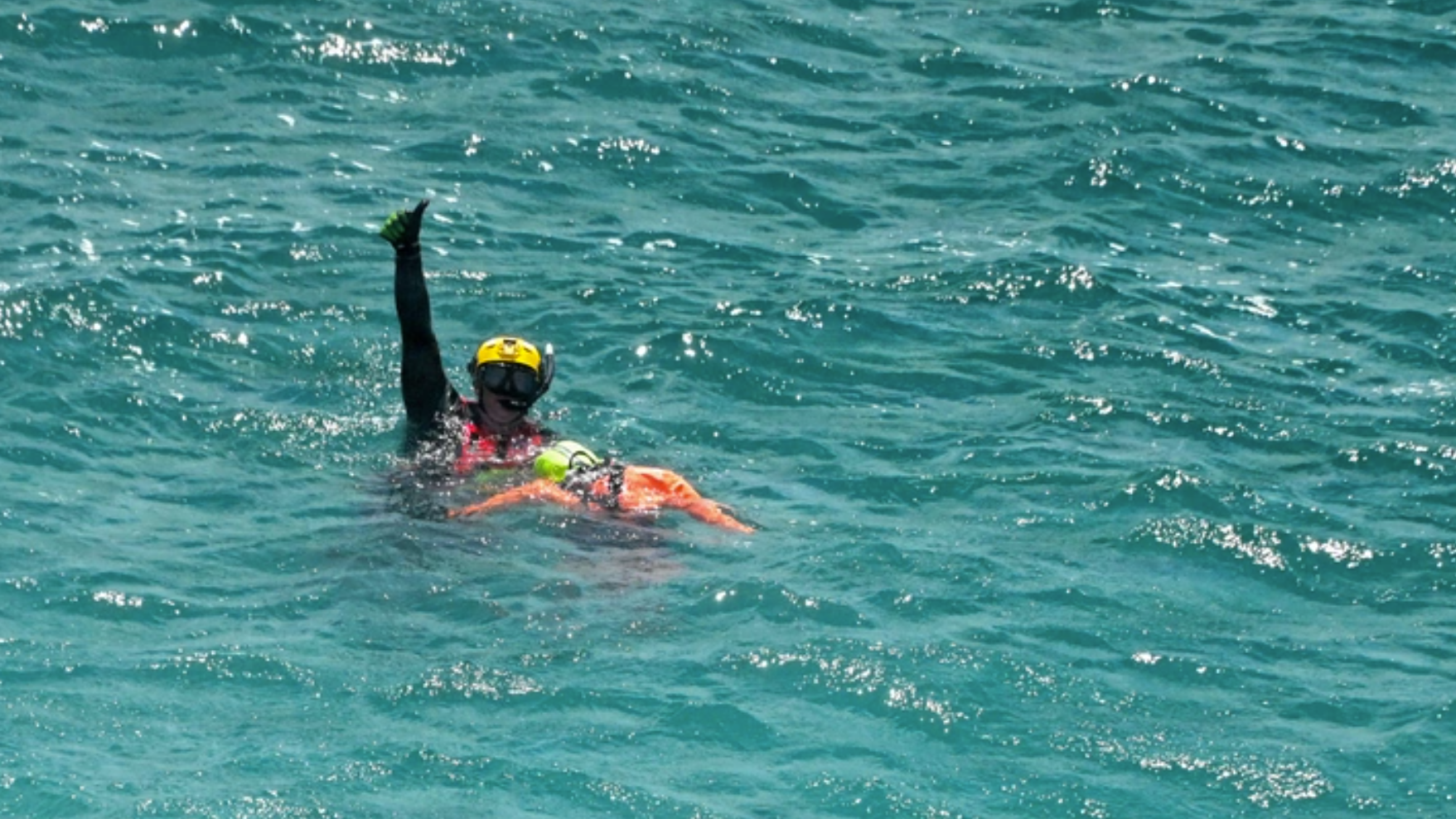 Commercial fishing remains one of the most dangerous occupations in the United States. Between 2000 and 2019, 878 commercial fishermen died from traumatic injuries on the job, an average of more than 43 deaths per year. Vessel disasters are the leading cause of death however falls overboard are second, accounting for 266 of those deaths, or 30% of all fatalities.
Of all 266 workers who died after falling overboard between 2000 and 2019, not one was wearing a Personal Flotation Device (PFD).
Why Fishermen Don’t Wear PFDs And Why That Has to Change
Research has shown that wearing a PFD makes a fisherman five times more likely to survive an overboard fall. So why don’t more deckhands wear them?
The reasons are practical and well-documented. Fishermen report that PFDs feel bulky, restrict movement, may snag on equipment, and interfere with the physical demands of the work. On a deck where speed and agility matter, an extra layer feels like a liability. In a recent survey, 16% of respondents said they never wear a PFD while working on deck, even though most acknowledged the devices are effective at preventing overboard fatalities.
It’s commonly assumed that overboard victims die of hypothermia. Most victims who enter cold water without a PFD die much faster from something called “cold incapacitation”. A sudden plunge into cold water triggers a “cold shock response” (gasping and hyperventilation), followed shortly by “cold incapacitation.” Within 10 to 15 minutes, blood rushes to the core to preserve heat, causing the victim to lose the use of their hands, arms, and legs. Without a PFD to keep their head above water, they drown long before their core body temperature drops enough to die from clinical hypothermia. A PFD doesn’t just buy warmth. It keeps a worker’s head above water when their body can no longer do it.
Among witnessed overboard falls where victims were recovered within an hour, CPR was attempted in 70% of cases. None could be resuscitated. Prevention is the only reliable intervention.
PFD technology has improved significantly. NIOSH has conducted evaluations in Alaska, the Pacific Northwest, the Gulf of Mexico, and New England to identify PFDs that are comfortable and workable across different fisheries and gear types. Lightweight, inflatable options now exist that bear little resemblance to the bulky vests of the past. There are no federal laws requiring commercial fishermen to wear PFDs on deck, but USCG regulations [46 CFR 28.110] require vessels to carry an approved PFD or immersion suit for every person aboard.
If You Go Overboard
- Stay Calm and Float – Panicking leads to rapid breathing, faster fatigue, and makes it harder to stay afloat. Try to keep your body horizontal, float on your back, and breathe slowly. Staying calm preserves energy and lets you assess the situation.
- Signal for Help – Activate a personal locator beacon or EPIRB immediately if you have one. Use a waterproof light, whistle, or reflective gear to get attention. At night, any light source dramatically improves your visibility to rescuers.
- Conserve Energy and Heat – Minimize movement to slow heat loss. Use the Heat Escape Lessening Position (HELP): arms crossed tightly across your chest; knees pulled toward your body. If you’re wearing a PFD, this position helps you stay afloat with minimal effort.
- Stay With the Vessel if Possible – A vessel is far easier for rescuers to spot than a person in the water. If it’s drifting but within reach, swim toward it slowly and deliberately. If it’s gone, conserve energy and wait. In about 59% of overboard fatalities there were no witnesses. The victim was either alone on deck or the fall went unnoticed. A PFD is the one safety measure that works even when no one is watching.
- Be Prepared Before You Leave the Dock – Wear a PFD on deck, even in good weather. Carry a whistle and an emergency beacon. Practice man overboard drills with your crew. The best survival plan starts before you ever hit the water.
On February 25, 2026, Todd Meadows, a 25-year-old deckhand and father of three, was lost in the Bering Sea while crab fishing aboard the F/V ALEUTIAN LADY, approximately 170 miles north of Dutch Harbor. His crew recovered him ten minutes later, unresponsive. His cause of death was ruled drowning with probable hypothermia. The statistics above are not abstract. They have names.
If you or someone in your family has suffered an injury or loss due to a maritime overboard incident, Stacey & Jacobsen, PLLC attorneys, can assist you. Contact us now for a complimentary consultation.