 Maritime Injury Law Blog
Alaska’s Seafood Industry Consolidation


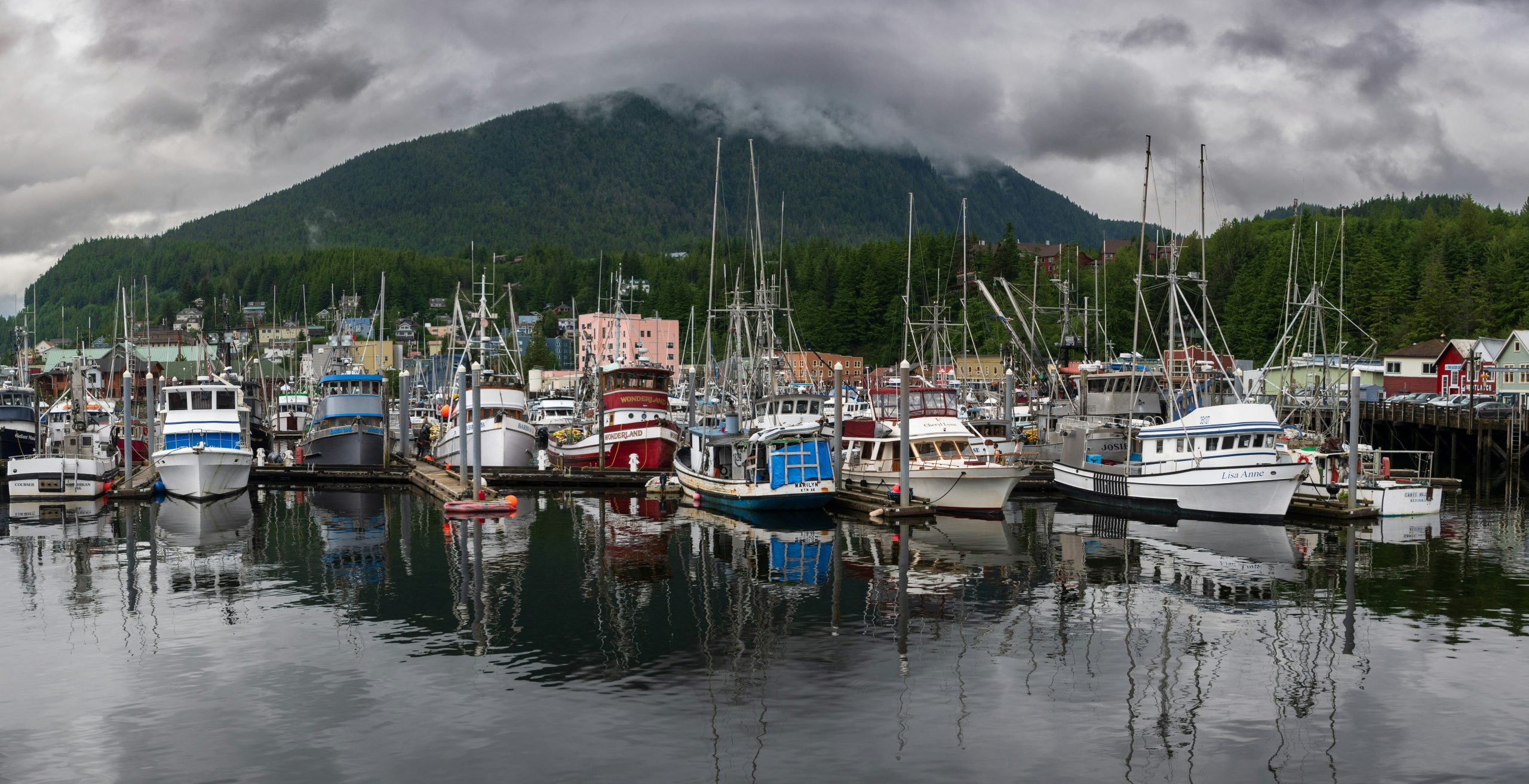 This week it has been reported that Silver Bay Seafoods is trying to acquire Northline Seafoods, one of its competitors in Alaska’s salmon processing industry. It was also reported that Northline CEO and co-founder Ben Blakey resigned on April 15th, 2026, during the acquisition process. For anyone working the Alaska salmon fishery, this is a news story worth following.
Silver Bay Seafoods has experience with acquisitions. The Sitka-based company, owned by a cooperative of roughly 600 fishermen, has rapidly expanded its footprint across Alaska’s seafood processing sector. In 2024, the company acquired Trident Seafoods’ Ketchikan and False Pass facilities. This expansion continued into March 2025, when Silver Bay purchased Cooke subsidiary Icicle Seafoods’ 50% stake in OBI Seafoods. The agreement, established in collaboration with BBEDC, brought eight significant processing facilities into their network. These plants are located in Petersburg, Seward, Kodiak, Larsen Bay, Egegik, Wood River, Cordova, and Naknek. Silver Bay also took over Peter Pan Seafoods’ Valdez operations and other key assets following Peter Pan’s high-profile bankruptcy.
Industry experts point out that if Northline is acquired, only three companies will dominate Alaska’s salmon processing industry. Such a level of consolidation has not been seen in recent years.
When the number of processors shrinks, so does competition for catch and for labor. Fewer buyers can mean less leverage when negotiating price per pound. Fewer employers can mean fewer options if working conditions at one facility are unsafe or unacceptable. While consolidation does not inherently produce negative outcomes, it can alter the overall industry structure. Frontline employees often see these changes first.
There is also the question of what will happen to safety standards during an ownership transition. When a company changes hands, there can be a period of operational disruption such as new management and gaps in institutional knowledge about how a vessel or facility has historically operated. Under the Jones Act and general maritime law, your employer’s duty to provide a safe workplace and a seaworthy vessel does not pause during a corporate restructuring. But the reality is that transition periods can introduce risk.
Whether you work for Silver Bay, Northline, or any processor that changes ownership in the coming months, your legal rights remain the same. The Jones Act gives injured maritime workers the right to pursue compensation for injuries caused by employer negligence. General maritime law requires that vessels be seaworthy, meaning properly maintained and safely equipped for the work being done. Maintenance and cure requires your employer to cover medical treatment and basic living expenses while you recover from an injury sustained at sea, regardless of fault.
A change in corporate ownership does not erase these obligations. If anything, it is a good time to pay attention to whether safety protocols are being maintained, whether equipment is being properly inspected, and whether new management is honoring existing commitments to crew and employees.
The Northline situation is still developing. What happens next, whether the takeover proceeds, how it is structured, and what it means for workers at Northline’s facilities, remains to be seen. We will be watching and will update this blog as news becomes available.
If you work in Alaska’s commercial fishing or seafood processing industry and have questions about your rights, whether related to industry consolidation, a recent injury, or an unsafe working environment, we encourage you to reach out.