 Maritime Injury Law Blog
NOAA Determines Gulf of Alaska Chinook Salmon Do Not Warrant ESA Listing


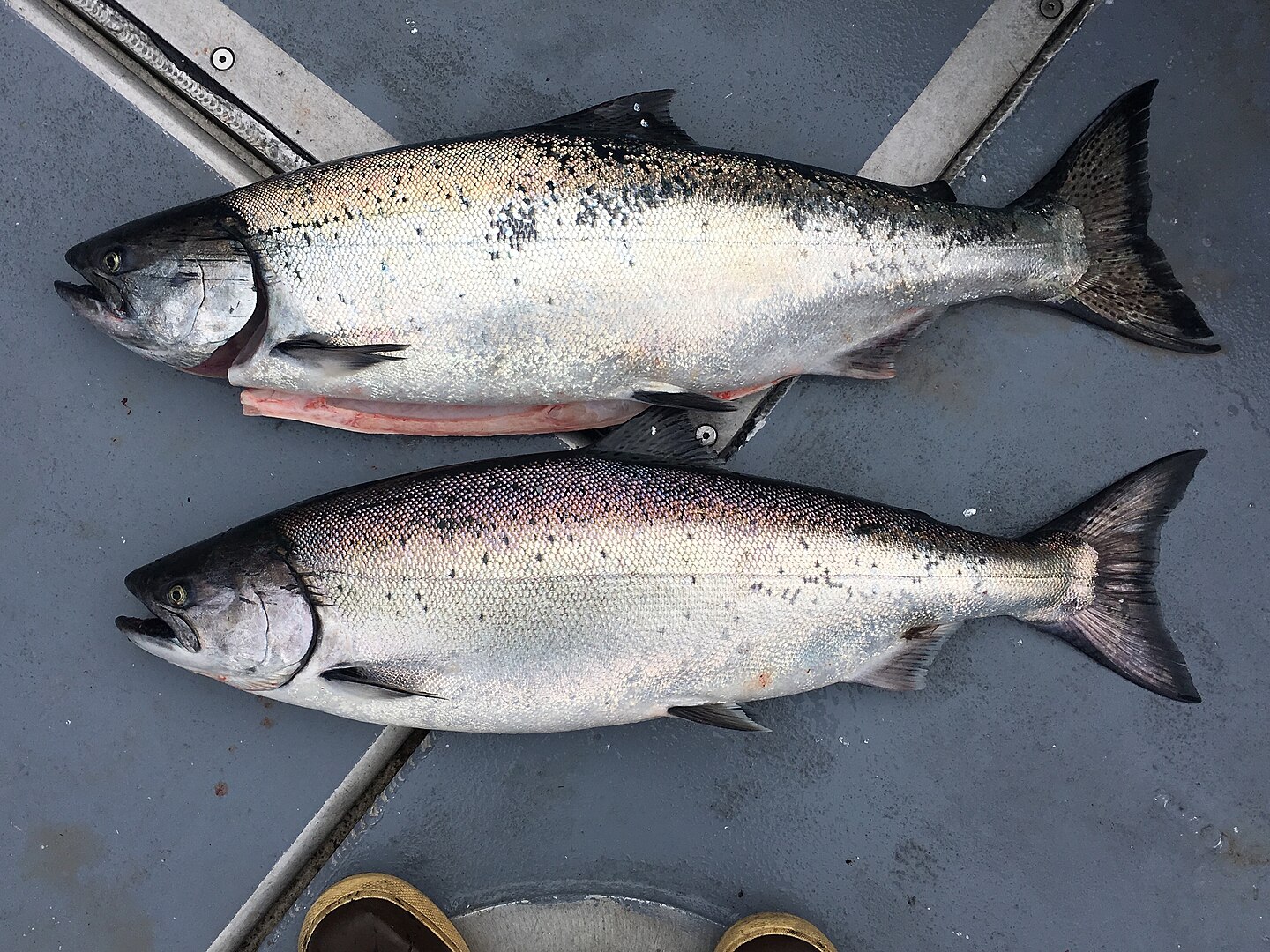 For commercial fishermen in Alaska’s Gulf waters, a recent federal decision provides clearer regulatory guidance as the season begins. In May 2026, NOAA Fisheries completed a 12-month review of Gulf of Alaska Chinook salmon and concluded that listing any of the three identified population groups under the Endangered Species Act (ESA) is not warranted at this time.
The review was triggered by a January 2024 petition from the Wild Fish Conservancy, which asked NOAA to evaluate whether one or more distinct groups of Gulf of Alaska Chinook should be listed as threatened or endangered. After a preliminary finding in May 2024 indicated the question deserved a closer look, NOAA assembled a review team, worked with Alaska Department of Fish and Game biologists, and consulted with Alaska Native Tribes and corporations throughout the Gulf region.
NOAA’s review identified three distinct Evolutionarily Significant Units (ESUs), the scientific term for essentially distinct, self-sustaining salmon populations within the Gulf of Alaska:
- Southeast Gulf of Alaska: East of Cape Fairweather
- Central Gulf of Alaska: Cape Fairweather through Cordova
- Northwest Gulf of Alaska: Cook Inlet, the Kenai Peninsula, and the South Alaska Peninsula
After reviewing each ESU’s abundance, productivity, distribution, and genetic diversity along with the ESA’s five main threat factors, NOAA found that all three populations face a low risk of extinction. The “not warranted” finding is a final decision.
The scientific team identified environmental conditions as the main pressure on Gulf of Alaska Chinook. Many stocks are declining, but NOAA stated that fluctuations in population are typical for salmon, and many Gulf stocks remain within historical ranges. Reviewers also noted intact habitat, broad geographic distribution, and strong genetic diversity as positive signs. Existing conservation and management programs are in fact supporting those populations.
An ESA listing would have sparked significant consequences for commercial fishing operations throughout the Gulf, including potential restrictions on gear, seasons, and areas, as well as new consultation requirements for any federally permitted activity that might affect the species.
This decision doesn’t mean Chinook stocks are without concern. NOAA’s own data shows that many Gulf runs are under pressure, and environmental variability, including ocean conditions that affect prey and juvenile survival, remains an ongoing threat. Fishermen who have watched Chinook returns fluctuate over recent decades understand that the absence of a federal listing is not the same as a clean bill of health for the resource.
This means that for now, Gulf of Alaska Chinook will stay under existing management rules, which reflects the best science available at the time of the review.