 Maritime Injury Law Blog
A Passed Exam Doesn’t Make a Boat Seaworthy


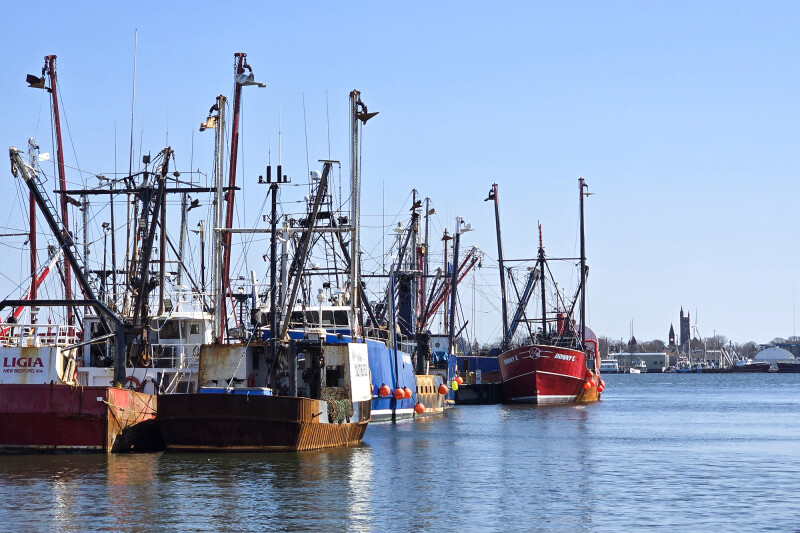 A blocked escape hatch might look like a problem for another day, but to U.S. Coast Guard commercial fishing vessel examiner Michael Schneider, it is a hazard that must be addressed before a boat leaves the dock.
A recent U.S. Coast Guard feature profiled Schneider, who grew up around the fishing families of Cape Cod and New Bedford, Massachusetts. Now examining vessels at Sector Delaware Bay, he spends his time walking the docks and talking with fishermen. His goal is to help operators feel comfortable asking questions and getting help with problems, without worrying about being reprimanded.
The hazards he looks for are familiar to anyone who has worked at sea:
- Escape hatches welded shut or buried under gear
- Life rafts that are improperly installed or the wrong size
- Emergency signaling equipment (like EPIRBs) past its expiration date
Schneider also reminds crews that gear passing on exam day may need replacing shortly after, and that emergency drills are just as important as the equipment itself.
The same work happens in ports throughout the Pacific Northwest and Alaska. Under federal law, commercial fishing vessels operating beyond three nautical miles from the baseline must complete a dockside safety exam at least once every five years.
The U.S. Coast Guard recommends an exam every two years, matching the lifespan of a valid safety decal. These exams are free and typically take about an hour. With winter fisheries approaching, now is the time for owners and crews to examine their hatches, rafts, and expiration dates.
For crew members, Schneider’s safety checklist also reads like a list of unseaworthy conditions. Under general maritime law, a vessel owner has an absolute duty to provide a vessel reasonably fit for its intended use.
This duty does not depend on whether the owner knew about the problem. A blocked escape route, an undersized life raft, or an expired EPIRB can make a vessel unseaworthy, and a decal from a past exam does not protect the owner. What matters is the condition of the vessel at the moment a worker is injured.
The Jones Act adds another layer of protection for maritime workers. Employers must use reasonable care to keep crew members safe, which includes proper training and running emergency drills.
If a new deckhand was never shown where the immersion suits are stored or how to reach the escape hatch, that failure can support a negligence claim.
- Maintenance and Cure: A seaman who is injured or falls ill in service of the vessel is owed these benefits regardless of who was at fault.
- Whistleblower Protection: Federal law protects seamen from retaliation if they report safety concerns to the U.S. Coast Guard.
We are grateful for examiners like Michael Schneider who help fishermen solve problems before they become emergencies offshore. However, when preventative measures fail and injuries occur, maritime workers have legal options.