 Maritime Injury Law Blog
Fewer Salmon, Higher Prices, What Alaska’s 2026 Season Means for Fishing Crews


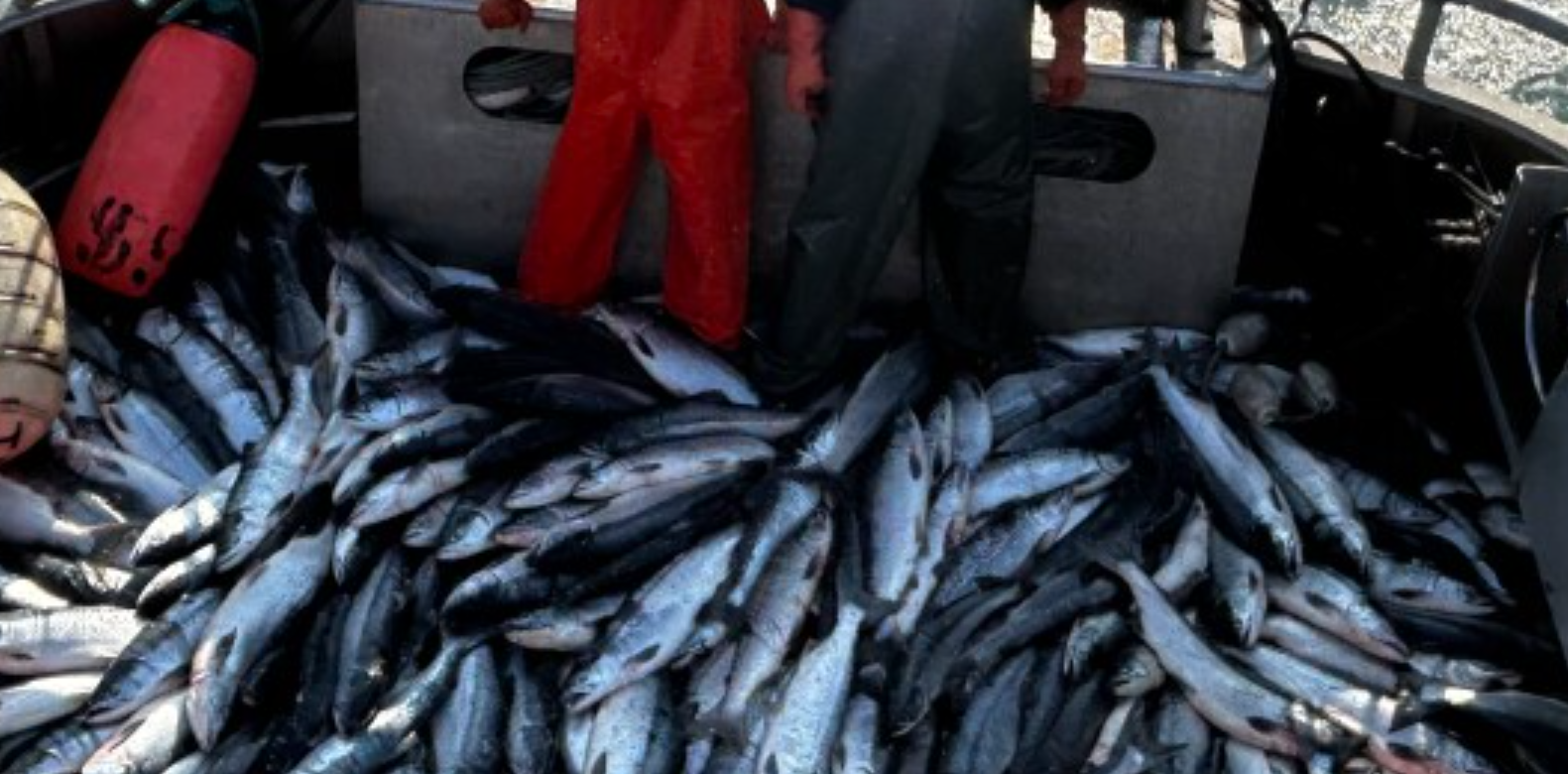 Alaska’s commercial salmon fleet harvested about 99 million fish in 2026, roughly half of last year’s 195 million, according to preliminary figures released by the Alaska Department of Fish and Game (ADF&G) on November 4, 2026. Even so, fishermen were paid an estimated $648 million for their catch at the dock, up about 20 percent from $541 million in 2025.
State fishery managers had estimated a smaller harvest this year. Pink salmon generally return in larger numbers in odd-numbered years, so even-numbered seasons tend to bring smaller harvests. However, the 2026 catch came in about 21 percent below the department’s preseason forecast of 126 million fish, with sockeye, pink, coho, and chum all falling short. Chinook was the only species to beat its projection.
The more striking comparison is with 2024, the last even-numbered year. That season produced a similar number of fish but was worth only $304 million, one of the lowest values in decades. Two years later, a comparable harvest brought in more than twice as much, driven by higher prices for every species. Sockeye alone accounted for about $360 million, and Bristol Bay’s preliminary value of $264 million came in 21 percent above its 20-year average.
More people fished, as well. ADF&G reports that 5,350 permit holders made salmon landings in 2026, up from 5,249 the year before. More vessels fishing during a smaller run, can put real pressure on skippers and deckhands. Long hours and tight competition are the conditions in which fatigue builds, repairs get put off, and crews are stretched thin.
A strong market does not change the legal standards that protect the people doing the work. Under the Jones Act, a seaman injured through an employer’s negligence can bring a claim against that employer. Vessel owners also have a separate duty to provide a seaworthy vessel, which includes properly maintained gear, safe working conditions, and a crew that is large enough and trained well enough for the job. If a boat fishes short-handed, or with equipment that should have been repaired, and someone is hurt, the owner may be responsible for an unseaworthy condition no matter how good the season was.
Injured crew members are also generally entitled to maintenance and cure, meaning daily living expenses and medical care until they reach maximum medical improvement, regardless of who was at fault. These benefits are often the first thing an injured fisherman needs, and they are sometimes paid late, paid too little, or stopped too soon.
Higher prices matter after an injury as well. Many fishermen are paid by crew share, and in a season like this one, the value of a lost share can be significant when calculating lost earnings.
ADF&G notes that all figures are preliminary. Final values, including any postseason adjustments from processors, will not be known until 2027.
If you were hurt while working aboard a fishing vessel in Alaska this season, the attorneys at Stacey & Jacobsen, PLLC, can help you understand your rights under maritime law. Call us at 1-877-DECKLAW to talk through your options.