Articles Posted in ADF&G

Published on:

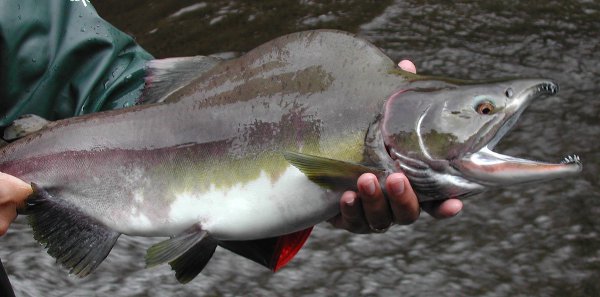
Pink-Salmon-300x149It has been a season of extremes for Sitka purse seiners. In late July, Alaska Department of Fish and Game (ADF&G ) managers worried that it would be a poor fishing season, and then the run turned around almost overnight. On August 6, 2026, seiners in District 13 brought in 1.23 million pink salmon in a single day, breaking the previous record of roughly 950,000 fish set back in 2017. Four days later, on August 10, 2026, they broke that new record too, harvesting 1.28 million fish in a day. By August 17, 2026, the season had climbed to the seventh largest in state history, with more openings still to come.

ADF&G Sitka area management biologist Aaron Dupuis pointed to two things behind the turnaround, a genuinely strong pink salmon run, which he noted is unusual for an even year, and a real jump in fishing efforts. As pink salmon arrived late to the Ketchikan, Juneau, and Petersburg fisheries, purse seine boats shifted toward Sitka, adding an estimated 20 to 30 more vessels than average to those grounds. Better prices, with purse seined pink salmon running about 60 cents per pound, roughly double recent years, makes it easy to see why fishermen are eager to work these grounds.

A record season is welcome news for the fleet, but a sudden surge in both fish and boats can bring its own risks. More vessels working the same grounds means more congestion, more gear in the water, and more chances for close quarters incidents. A compressed, high intensity harvest window can also push crews toward long hours and little rest as they try to make the most of strong openings while they last, and that combination has long been linked to fatigue related injuries in commercial fishing.
Published on:

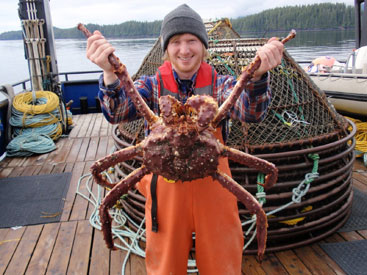
Red_King_Crab-300x225The Alaska Department of Fish and Game (ADF&G) delivered good news to the commercial fishing industry on Monday, October 6, 2025, when it was announced that it is nearly doubling the allowable harvest for the upcoming Bering Sea snow crab commercial fishing season. The increase marks a turning point for an industry that has endured devastating losses over the past several years.

ADF&G has set the catch limit at 9.3 million pounds for the season, representing a substantial increase over last year’s totals. However, the figure remains a reminder of how far the fishery has fallen from its peak. In 1991, crabbers harvested more than 320 million pounds of snow crab from these waters. Even as recently as 2020, the catch limit was set at 45 million pounds before the stock’s catastrophic collapse.

The downturn began in 2021 when more than 10 billion snow crabs vanished from the Bering Sea. The disappearance forced regulators to close the fishery for two consecutive seasons, leaving boats tied to docks and processing plants closed. Researchers attributed the collapse to warming ocean waters driven by climate change, which disrupted the delicate ecosystem these cold-water crustaceans depend on.

Published on:

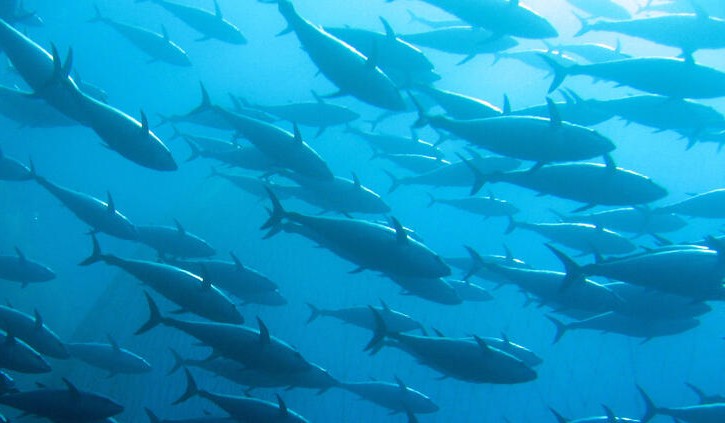
TunaSwimming-300x175The Alaska Department of Fish and Game (ADF&G) has launched a new commercial fishing opportunity in Southeast Alaska waters, issuing commissioner’s permits for Pacific tuna harvesting in response to unusual conditions that have drawn these warm-water species into the eastern Gulf of Alaska.

Commercial harvesters can now obtain the specialized permits, which remain valid through December 31st, 2025, marking the first formal recognition of tuna as a targeted commercial species in Alaska waters. The permits become available immediately upon issuance, creating an unprecedented fishing opportunity in a region traditionally known for salmon and groundfish.

Rhea Ehresmann, who leads the Region 1 groundfish project for the ADF&G, explained that the permit system emerged from direct industry requests. “The commercial fleet approached us about targeting Pacific tuna, given the significant tuna presence we’re seeing in waters outside of Sitka,” she noted.

Published on:

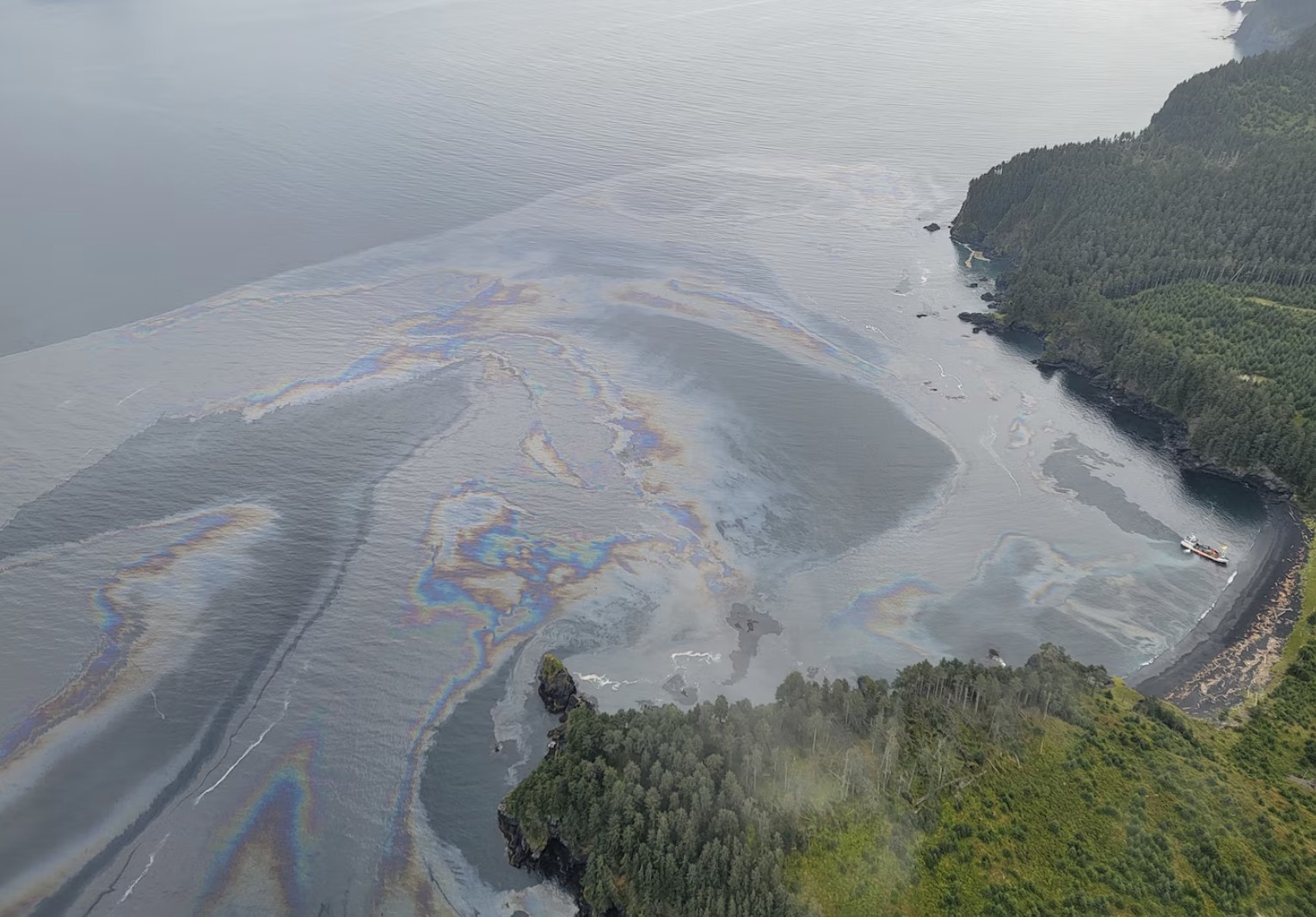
OilSlick-300x209The commercial fishing vessel that ran aground near Alaska’s Afognak Island, spilling thousands of gallons of diesel fuel into surrounding waters, was successfully towed to safety Friday September 5th, 2025, according to state environmental officials.

The 120-foot F/V SEA ERN arrived at Kodiak Harbor at approximately 7 a.m., completing a carefully coordinated salvage operation overseen by the U.S. Coast Guard and Alaska Department of Environmental Conservation (DEC). The vessel has since been moved to drydock at the City of Kodiak shipyard.

Environmental officials estimate between 3,000 and 3,500 gallons of diesel fuel leaked from the vessel after a 12-foot gash tore through its bow, rupturing two fuel tanks. The F/V SEA ERN was carrying approximately 16,290 gallons of fuel at the time of the grounding, with 12,790 gallons remaining aboard.

Published on:

Red_King_Crab-300x225In a significant policy shift, the Alaska Board of Fisheries has approved a proposal to permit a limited commercial harvest of red king crabs in Southeast Alaska. This decision, approved during the board’s Southeast and Yakutat Finfish and Shellfish meeting in Ketchikan from January 28 to February 9, 2025, changes previous regulations that required an estimated biomass of legal male red king crabs to exceed 200,000 pounds before opening a commercial fishery. This threshold had resulted in only three commercial red king crab seasons in the region over the past two decades.

The Alaska Department of Fish and Game (ADF&G) and commercial fishers agreed that the 200,000-pound requirement was based on outdated market conditions, which suggested that processors needed this volume to operate profitably. Nels Evens, Executive Director of the Petersburg Vessel Owner’s Association, emphasized that this threshold was not biologically necessary but was established due to past market demands.

The newly approved proposal allows regulators to open a small-scale commercial fishery even when the biomass is below the previous threshold. This change will provide economic opportunities for local crabbers while maintaining sustainable management of the red king crab population. Specific details regarding harvest limits and management will be determined by ADF&G as well as stakeholders.

Published on:

chinook-salmon-300x200The Alaska Department of Fish and Game (ADF&G) has released its 2025 salmon run forecast for the Prince William Sound (PWS) and Copper River regions. The projections provide key insights into Chinook, sockeye, pink, and chum salmon returns, which will influence early-season management strategies.

Copper River Chinook Salmon

The 2025 forecast anticipates a total run of approximately 36,000 wild Chinook salmon in the Copper River, with a prediction range between 25,000 and 51,000 fish. This is 25% below the recent 10-year average of 48,000, classifying the run as “Weak.” Given the sustainable escapement goal (SEG) of 21,000 to 31,000 fish, ADF&G plans to enforce conservative management to support stock sustainability.

Contact Information