 Maritime Injury Law Blog
Bering Sea Crab Season Gears Up; So Do the Risks for Alaska’s Fleet


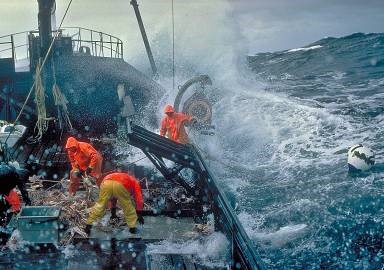 Pre-season vessel registration for Bristol Bay red king crab, Eastern and Western Bering Sea Tanner crab, and Bering Sea snow crab opened on August 20, 2026, marking the start of one of Alaska’s most significant fishing seasons.
Vessels are already registering through the Dutch Harbor Alaska Department of Fish and Game office, with the red king crab and Tanner crab seasons set to open in mid-October. For the crews who make their living out of one of the busiest commercial fishing ports in the country, good preparation is as important as the fishing itself.
Bering Sea crab fishing statistically remains one of the most dangerous jobs in America. Crews haul heavy steel pots in some of the roughest, coldest water in the world, often working through darkness, freezing spray, and gale force winds.
Ice accumulation on the deck and rigging can shift a vessel’s center of gravity in a matter of hours, turning a boat that is stable at the dock dangerously top heavy. Add in a compressed fishing season, long hours, and the financial pressure to fill quotas before the season closes, and the conditions are ripe for injury and vessel casualties.
For commercial fishermen working out of Dutch Harbor, Kodiak, and other Bering Sea ports, this is the time to focus on basic safety practices that often go overlooked in the rush to register and gear up. A compressed October opening with a full fleet on the water is exactly when shortcuts become costly.
Before the first trip out, crews and captains must ensure:
- Vessel Stability: Check and recheck stability, particularly for boats that have added pots, tanks, or other gear since last season.
- Immersion Suits: Inspect every suit, ensure they are properly sized for every specific crew member aboard, and stow them where they can be reached in seconds, not minutes.
- EPIRBs: Test and register beacons under current vessel information.
- Deck & Gear Safety: Inspect deck lighting, footing, and pot-launching systems. Crab pot handling remains one of the leading causes of serious injury and death in the fishery.
When something does go wrong aboard a Bering Sea crab vessel, whether it is a capsizing, a man overboard, or a crushing injury from pot gear, federal maritime law governs what an injured crew member or their family is entitled to.
Two critical doctrines often apply to injuries on the grounds:
- The Jones Act: A vessel owner has a duty to provide a reasonably safe place to work. A crew member injured through the negligence of the vessel owner, captain, or fellow crew may have a claim well beyond simple “maintenance and cure.”
- Warranty of Unseaworthiness: Under general maritime law, owners are held responsible when a vessel, its gear, or its crew are not reasonably fit for the voyage, regardless of fault.
Because crab fishing safety relies heavily on vessel condition and gear maintenance, both doctrines are highly relevant if an incident occurs this fall.
If you or a family member works the Bering Sea crab fleet and has questions about safety obligations, an injury, or a loss at sea, Stacey & Jacobsen, PLLC can help. We have represented Alaska’s commercial fishermen for decades and understand this fishery from the deck up. Call 1-877-DECKLAW today for a free consultation.