 Maritime Injury Law Blog
Record Breaking Pink Salmon Season in Sitka Brings a Crowded Fishing Ground


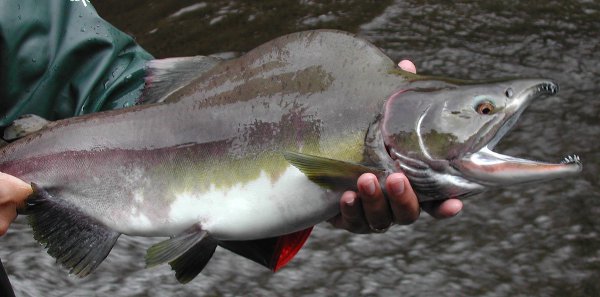 It has been a season of extremes for Sitka purse seiners. In late July, Alaska Department of Fish and Game (ADF&G ) managers worried that it would be a poor fishing season, and then the run turned around almost overnight. On August 6, 2026, seiners in District 13 brought in 1.23 million pink salmon in a single day, breaking the previous record of roughly 950,000 fish set back in 2017. Four days later, on August 10, 2026, they broke that new record too, harvesting 1.28 million fish in a day. By August 17, 2026, the season had climbed to the seventh largest in state history, with more openings still to come.
ADF&G Sitka area management biologist Aaron Dupuis pointed to two things behind the turnaround, a genuinely strong pink salmon run, which he noted is unusual for an even year, and a real jump in fishing efforts. As pink salmon arrived late to the Ketchikan, Juneau, and Petersburg fisheries, purse seine boats shifted toward Sitka, adding an estimated 20 to 30 more vessels than average to those grounds. Better prices, with purse seined pink salmon running about 60 cents per pound, roughly double recent years, makes it easy to see why fishermen are eager to work these grounds.
A record season is welcome news for the fleet, but a sudden surge in both fish and boats can bring its own risks. More vessels working the same grounds means more congestion, more gear in the water, and more chances for close quarters incidents. A compressed, high intensity harvest window can also push crews toward long hours and little rest as they try to make the most of strong openings while they last, and that combination has long been linked to fatigue related injuries in commercial fishing.
When conditions like these lead to an injury, whether from a vessel collision, an entanglement in gear, a slip on a crowded deck, or an accident tied to exhausted crew, injured fishermen may have rights under the Jones Act if the incident resulted from an unseaworthy vessel or employer negligence, including inadequate crew rest or unsafe staffing decisions made in the rush to chase a good run. General maritime law’s maintenance and cure doctrine applies as well, requiring vessel owners to cover medical expenses and a daily living allowance for injured crew members during recovery, regardless of who was at fault for the incident.
It is great to see Southeast Alaska’s fleet enjoy a season like this after such a slow start, and we hope it stays a safe one for everyone out on the water.