 Maritime Injury Law Blog
Back to School, Back to Sea, Safety Refresher for the Fleet


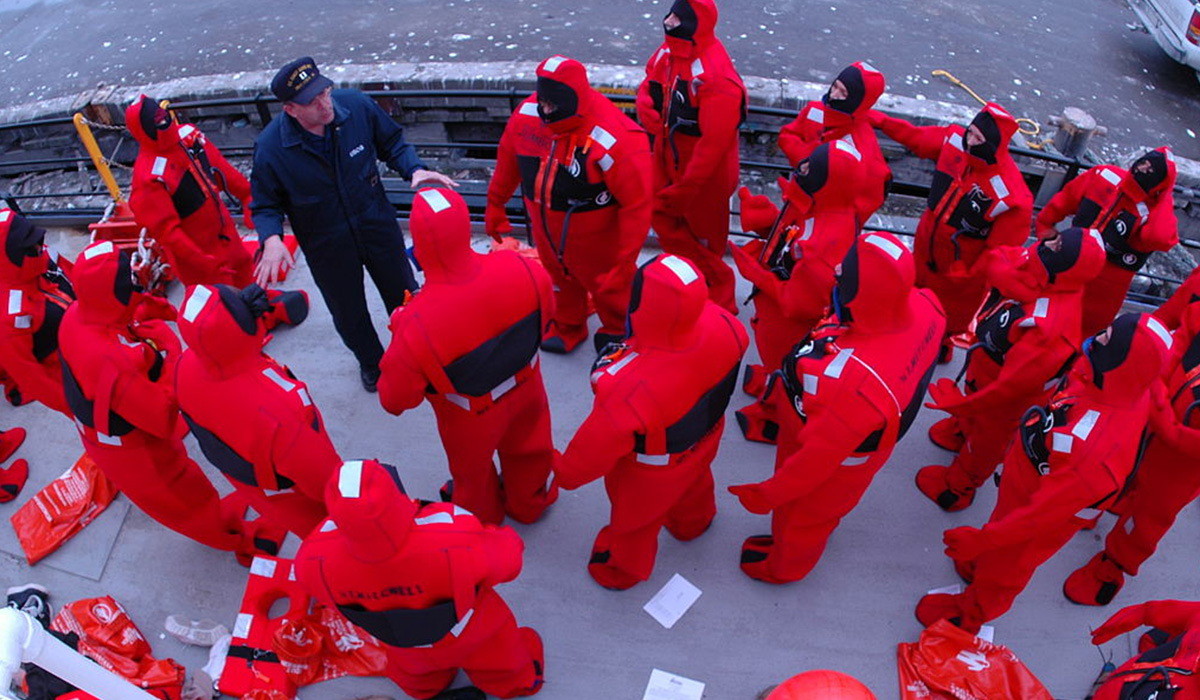 September brings its own version of “back to school” for Alaska’s maritime workers. Southeast salmon crews are finishing their season, Bering Sea crab boats are completing preseason registration ahead of the 2026-2027 season, and deckhands across the region are pulling gear out of storage. It is a good time for a refresher to remember the basics for keeping crew members safe when conditions turn treacherous.
This week, the U.S. Coast Guard ended a search near St. Lawrence Island after an 18-foot skiff carrying three people capsized in the Bering Sea. One teenager survived after clinging to the overturned hull for hours. Tragically, two others did not make it back. The outcome highlights something every mariner knows. In cold water, an overboard victim has very little time. At Bering Sea temperatures, a person without proper protection can lose useful hand and arm function within minutes and can succumb to hypothermia before help arrives, even when a search begins quickly.
That is exactly why immersion suits and EPIRBs are not optional gear on a commercial vessel, they are required by federal regulation for good reason. An immersion suit, when properly stowed, sized, and in good working order, can buy a person in the water hours rather than minutes. An EPIRB that is registered, tested, and mounted where it can be reached in an emergency gives searchers a starting point instead of open ocean to cover, the same kind of search area the U.S. Coast Guard faced off Gloucester, Massachusetts earlier this year when the F/V LILY JEAN was lost with her crew. Safety equipment does not help anyone if it goes unused.
As Bering Sea crab crews finish preseason registration ahead of the October 15, 2026, opening, and as Southeast salmon boats make their final runs before the season closes, this is the time to check that suits fit the current crew, that EPIRB batteries and registrations are current, and that everyone aboard, not just the captain, knows where the safety gear is located, and is well trained about how to use it. Vessel owners carry a legal duty to provide a seaworthy vessel, and that duty includes functioning safety and survival equipment. When that equipment is missing, defective, expired, or simply not where a crew member can reach it in an emergency, that failure can support a claim under the Jones Act or general maritime law if it contributed to an injury or a loss at sea.
If you or a family member has been injured while working at sea, or if you have lost a loved one at sea, the maritime injury lawyers at Stacey & Jacobsen, PLLC are available for a free consultation. Call 1-877-DECKLAW to talk with someone who understands the law and the importance of safety at sea.