 Maritime Injury Law Blog
Bering Sea Crab Seasons Open October 15, 2026, With Higher King and Tanner Crab Quotas


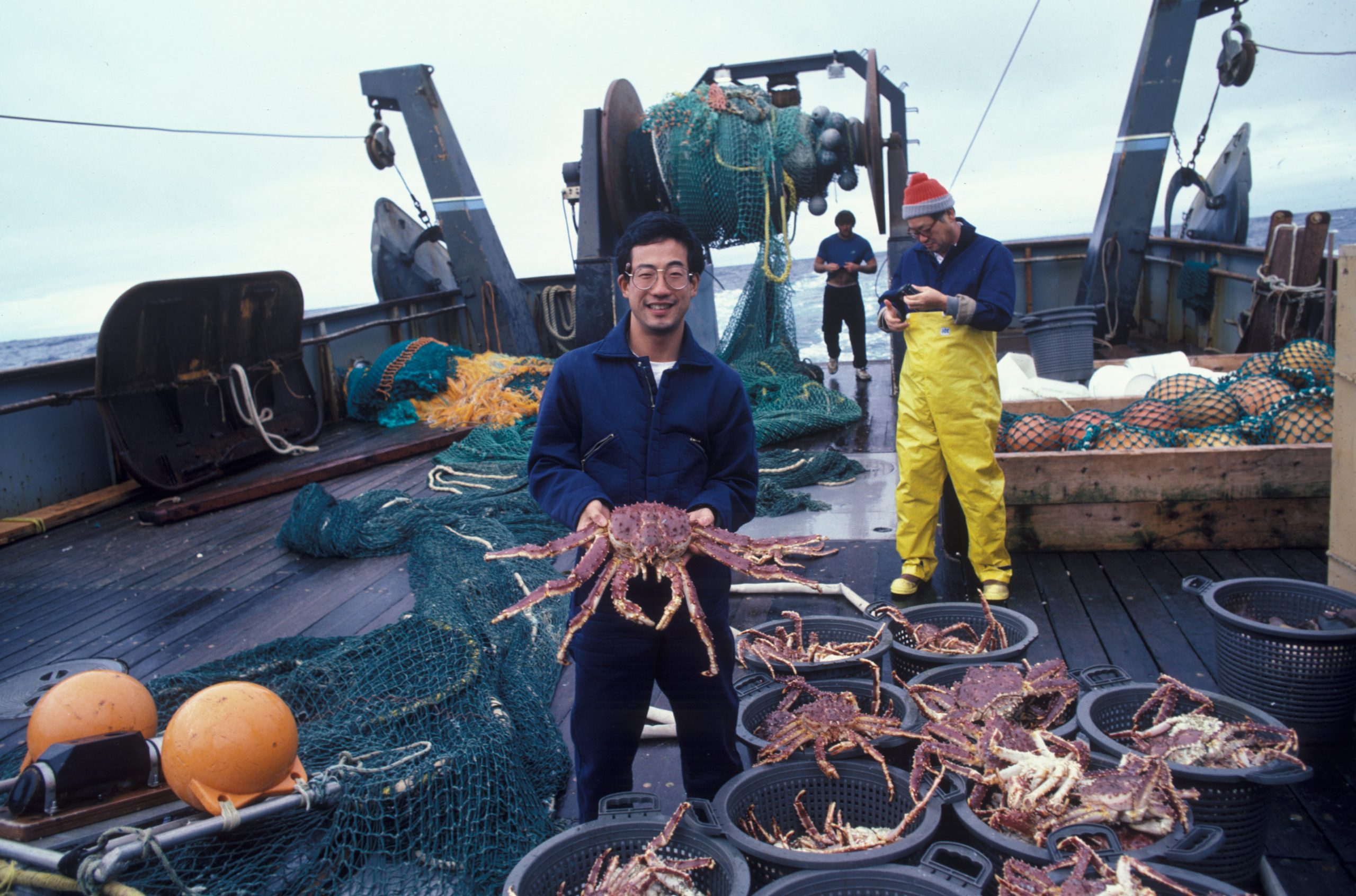 Crabbers across the Bering Sea are getting ready for opening day. The Alaska Department of Fish and Game has released catch limits for the Bristol Bay red king crab, Bering Sea snow crab, and Tanner crab seasons, which all open this week on Thursday, October 15th, 2026.
The Bristol Bay red king crab total allowable catch is set at 3.41 million pounds, more than half a million pounds above last season. The limit for Tanner crab rose even more significantly, to 32.1 million pounds. Of that, 27.2 million pounds is allocated to the western Bering Sea. The snow crab limit fell by nearly half to 5.1 million pounds, as the stock is still rebuilding after the population crash that closed the fishery for the first time in 2022. Experts estimate that the combined season could be worth over $250 million.
The recovery follows a hard few years for the people who work these waters. The fleet has shrunk from approximately 60 vessels to 40 since the closures. Most of the boats that left were independent and family-owned. For second and third generation fishing families, the closures have been especially painful. Many rely on one fishery for their livelihood, so a closed season can mean a lost year of income. Industry leaders expect this year’s higher quotas to help some of them return, bringing the fleet back up to about 45 vessels.
More boats and more crab mean more work on deck. A Bering Sea crab boat in winter remains one of the most dangerous workplaces in the country. Crews handle pots weighing hundreds of pounds on icy, pitching decks, often working long shifts with little sleep. Some vessels are returning after spending time tied up, and some crew members are either new to the fishery or coming back after years away. Both factors can add risk.
Crab crew members are classified as seamen under the Jones Act. If an employer’s negligence contributes to an injury, the crew member can bring a claim against that employer. Vessel owners also have a separate duty to provide a seaworthy vessel, meaning the equipment, gear, and crew must be reasonably fit for the work. A vessel can be deemed unseaworthy because of a worn cable, a poorly maintained pot launcher, unaddressed ice buildup, or too few or poorly trained crew members.
An injured crew member is also entitled to “maintenance and cure,” regardless of whether anyone was at fault. This covers daily living expenses and medical care until the crew member reaches maximum medical improvement.
These protections matter on family run boats, too. Crew members may hesitate to report an injury because they know the owner personally, but maritime law protects seamen in exactly that situation.
We wish every crew a safe and productive season. If you or someone you love is hurt while working in the Bering Sea crab fishery, the attorneys at Stacey & Jacobsen, PLLC can help you understand your rights. Call us at 1-877-DECKLAW.