 Maritime Injury Law Blog
Grounded Fishing Vessel at Point Reyes Highlights Hidden Risks Commercial Fishermen Face


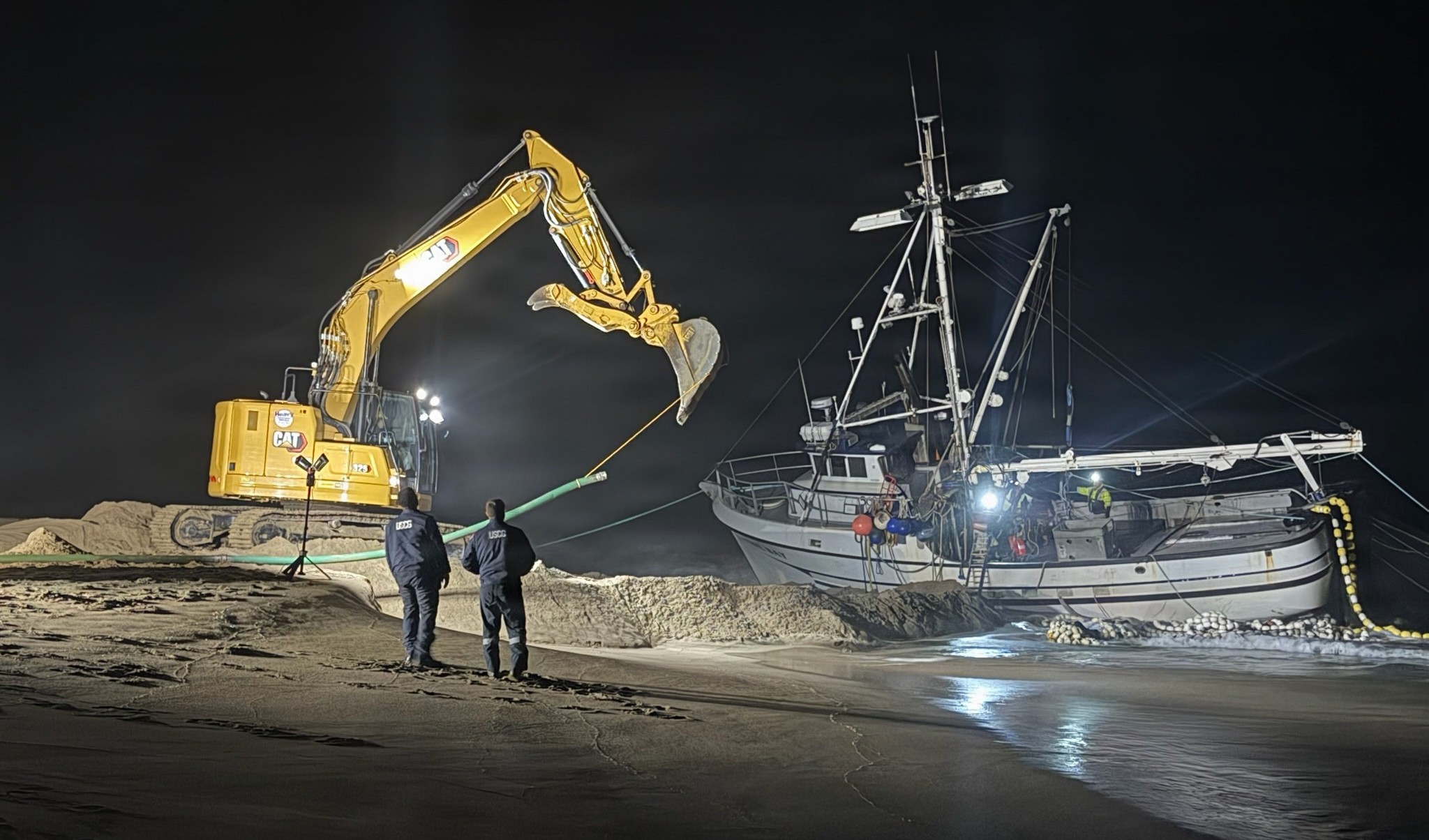 On the morning of August 21, 2026, the F/V LAKE BAY, a 58-foot fishing vessel operating out of Smith River, California, ran aground on a sand bar at North Beach in Point Reyes National Seashore. All four crew members aboard were transported to the U.S. Coast Guard’s Station Bodega Bay after the boat entered the surf zone.
A unified command made up of the U.S. Coast Guard and the National Park Service, with support from Marin County Fire, NOAA, and the California Department of Fish and Wildlife’s Office of Spill Prevention and Response, moved quickly to secure the vessel and its fuel. The F/V LAKE BAY had a maximum capacity of 2,800 gallons of diesel, and crews ultimately removed roughly 1,400 gallons of diesel fuel along with 175 gallons of hydraulic and lubricating oil. No active fuel leaks or wildlife impacts have been reported at any point in the response. North Beach was temporarily closed to keep the public safe while crews worked.
The response has since shifted from emergency pollution control to salvage and recovery. Salvage crews spent days working to pull the vessel farther onto the beach, which was complicated by the vessel’s fiberglass hull and bow digging into the sand. According to the U.S. Coast Guard’s incident commander, once a vessel of this size runs aground, questions about its structural integrity and stability make towing it back out to sea too risky. The vessel’s catch, an estimated 30 to 50 tons of squid trapped in the hold, has added another variable to an already challenging recovery.
Groundings like this are a reminder of how quickly things can go wrong for commercial fishing crews, even when operating close to shore and even without a storm or mechanical failure driving the incident. Fatigue, low visibility, unfamiliar sandbars, and the physical demands of hauling a full catch can all play a role in these situations.
When a vessel runs aground, injured crew members may have rights under the Jones Act if the grounding resulted from an unseaworthy vessel or negligence on the part of the owner or operator. This can include a captain navigating while fatigued, the failure of outdated GPS or radar equipment, or a company pushing a crew to work beyond safe hour limits to secure a catch. Even without a dramatic injury on scene, exposure to fuel, unstable footing during evacuation, or the physical strain of an emergency departure from a vessel can lead to injuries that surface in the hours or days that follow. General maritime law’s maintenance and cure obligations also come into play here, requiring vessel owners to cover medical care and a daily living stipend for injured crew members while they recover, regardless of fault.
Navigating the aftermath of a commercial fishing accident is complex, and injured crew members shouldn’t have to face the recovery process alone. If you or a loved one have been injured in a vessel grounding or other maritime incident, it is crucial to understand your legal rights. Securing evidence from a grounded or salvaged vessel must happen immediately. Contact our maritime law team today for a free, confidential consultation to ensure your right to maintenance, cure, and fair compensation is fully protected. Call us at 1-877-DECKLAW.