 Maritime Injury Law Blog
Charleston Fishermen Call for Urgent Repairs at Coos Bay Docks and Shipyard


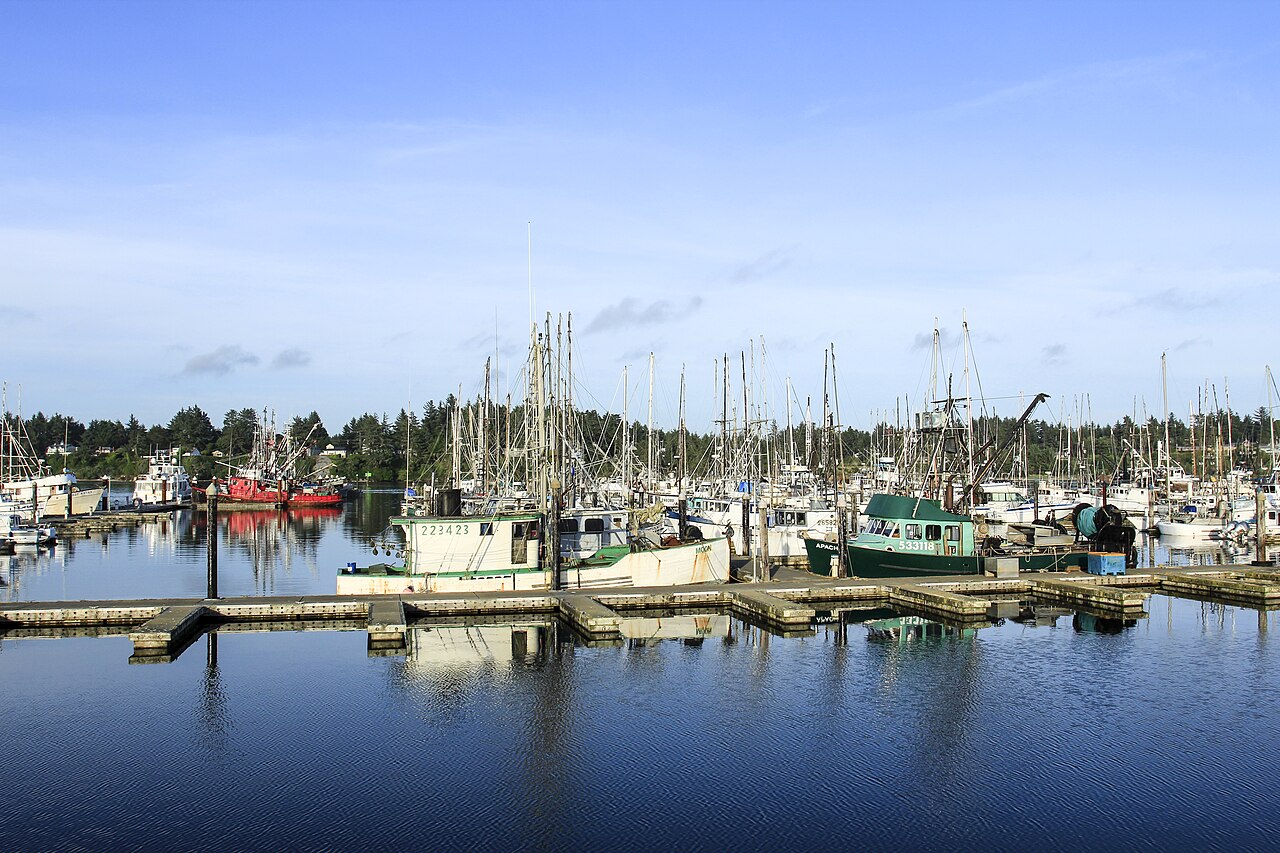 Commercial fishermen in Charleston, Oregon, are asking the Oregon International Port of Coos Bay to fix the docks, shipyard equipment, and harbor facilities they depend on every day. About 40 fishermen and maritime workers filled the marina’s recreation room for an October 28th, 2026, meeting of the Charleston Marina Advisory Committee. The committee voted unanimously to ask port commissioners to estimate the cost of overdue repairs and set aside money for Charleston that can’t be shifted to other port projects, according to reporting by Jefferson Public Radio, also published by OPB.
What the fishermen described goes well beyond ordinary wear. They spoke of twisted dock fingers and corroded hardware. One longtime fisherman said D Dock is twisted to almost a 45-degree angle, and it is still one of the better docks. The shipyard’s haul-out equipment isn’t fully working, and one operator couldn’t get a vessel out of the water even at the year’s highest tide. This summer, one crew missed a three-day halibut opening when the fuel dock ran out of fuel and the ice plant was down. A shipyard worker said he fears for his safety.
Port staff say they are working on it, and part of the delay comes down to staffing. The port plans to stop operating Oregon’s state dredging vessels after this winter, work that has pulled nearly half of Charleston Marina’s maintenance staff away for months at a time. The port has applied for an emergency permit to repair the haul-out equipment and plans to rebuild the ice machine during a November maintenance shutdown. Since 2024, the port has sought nearly $12 million for marina and shipyard improvements and has secured $1 million in federal funding. Even so, a permanent fix for the haul-out system may not be finished until fall 2028.
With Dungeness crab season approaching, the timing is devastating to fishermen. When the shipyard can’t lift a vessel, owners have to put off repairs or take their boats somewhere else. One shrimp fisherman told reporters his boat has a hole in its bottom and will need about $50,000 in repairs in Toledo, Oregon.
Delayed repairs matter under maritime law. A vessel owner has an absolute duty to provide a seaworthy vessel, meaning the boat, its equipment, and its crew must be reasonably fit for their intended use. That duty doesn’t pause because the shipyard is backed up. If a crew member is hurt because of a defect in the vessel or its gear, the owner can be held responsible under the doctrine of unseaworthiness, even without proof of fault. Under the Jones Act, an employer can also be liable when its negligence played even a small part in a seaman’s injury.
Dock injuries raise different questions. A deckhand hurt on a damaged dock while loading gear or supplies for the vessel may still be entitled to maintenance and cure, the daily living allowance and medical care a vessel owner owes a seaman injured or taken ill in the service of the ship. Shipyard workers, on the other hand, are generally covered by the Longshore and Harbor Workers’ Compensation Act rather than the Jones Act.
Crab season is hard enough without worrying about the boat you work on or the dock you walk on to reach it. If you or someone you love has been hurt working aboard a fishing vessel, our attorneys handle Jones Act and commercial fishing cases and can help you understand your rights. Call us at 1‑877‑DECKLAW.
Sources
- Coos Bay commercial fishermen feel forgotten; the international port says it’s doing what it can (Jefferson Public Radio, November 15, 2026; also published by OPB)
- Coos Bay to stop operating Oregon’s state dredging vessels (Jefferson Public Radio, July 31, 2026)