Articles Posted in Technology

Published on:

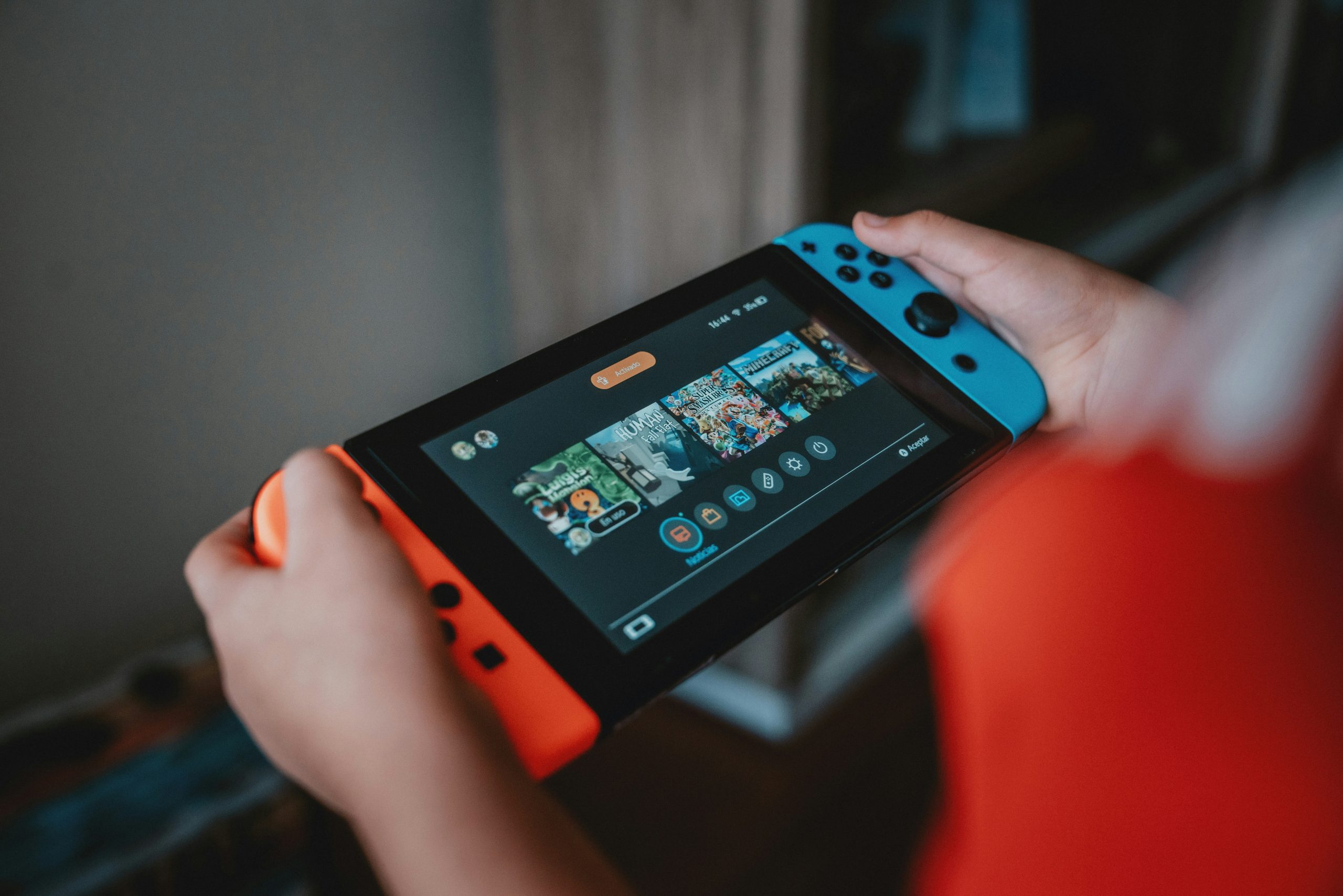
Gaming-300x200We have reported before about how long shifts, overnight watches, and inadequate crew rotation can push maritime workers toward dangerous levels of exhaustion. But a newer and less obvious source of fatigue is showing up in research, and it has nothing to do with how hard someone is working. It has to do with what they are doing during the hours they should be resting.

Internet connectivity at sea has improved dramatically as low-earth-orbit satellite systems, led by Starlink Maritime, replace older geostationary satellites parked 22,000 miles up. Those older systems were slow, laggy, and often expensive as they were billed by the megabyte, so crew members had to use them sparingly. Low-earth-orbit satellites orbit just a few hundred miles up, cutting lag and adding bandwidth at a flat monthly rate. This recent technology has turned a once rationed connection into something on par with home broadband, even on smaller fishing vessels that could never have previously justified the costs.

Workers who once went weeks without contacting home can now call, text, and video chat from the middle of the ocean. Another real advantage to this new satellite technology is the ability to dependably reach help in an emergency. The trouble is that this same connectivity is creating a new and measurable safety problem: digital fatigue.
Published on:

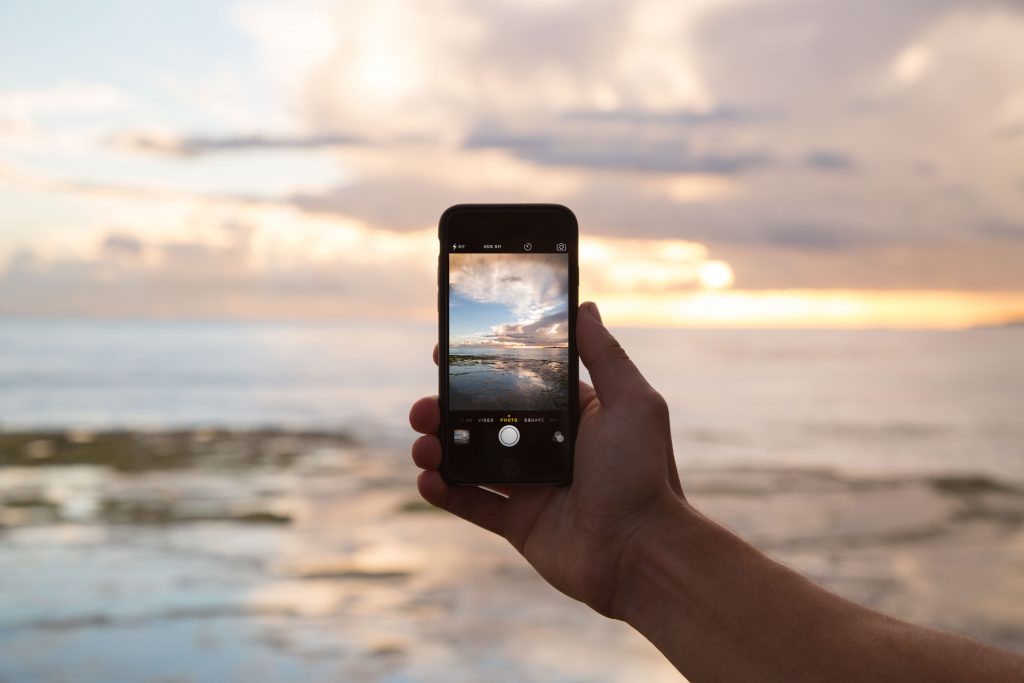
Smartphone-at-Sea-1024x683Communication while aboard vessels has been an issue for seafarers for as long as humans have been going to sea. We have gone from bells and foghorns to the first radio telegraph in 1895, to the innovative satellite communication products of today. Communicating with other vessels, with emergency crew, with friends and family on land, or with bounty hunters who retrieve and return lost gear (yes, that really is a thing; keep reading to learn more) has become paramount. We share information with other fishing boats and try to stay ahead of the weather. Technology has come a long way, and our phones are making things even safer for people who work at sea.

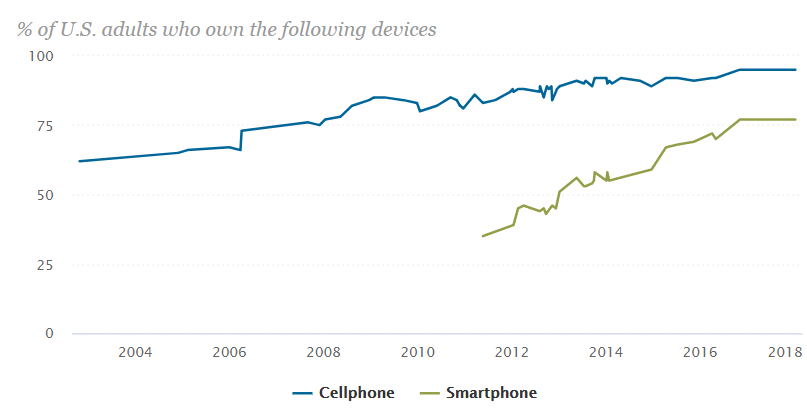
The Pew Research Center for Internet and Technology has been tracking U.S. mobile phone statistics since before 2004. What was once a gadget used only by contractors and millionaires, the cellphone is now in the hands of nearly 94% of all U.S. adults, and a smartphone is owned by more than 76% of adults.

Cellphone-Chart
Smartphones are virtually small computers that fit in your pocket. With cutting edge software and accessories, smartphones are empowering fishermen and solving what were once big problems. Even sales and marketing can be done at sea with a smartphone fitted with satellite capabilities.

Published on:

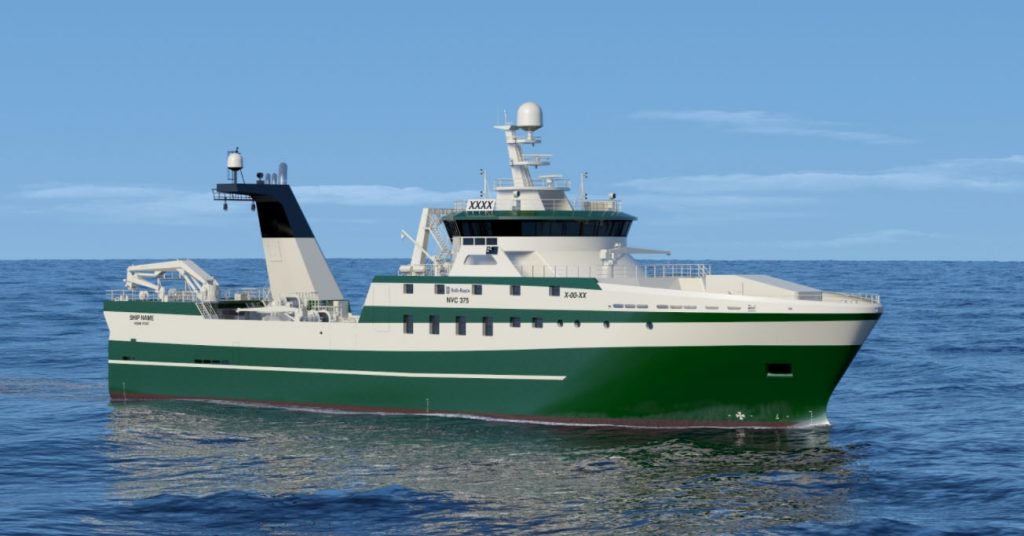
Rolls-Royce-Fishing-Vessel-1024x536At the Google Cloud Summit in Stockholm, Sweden, Rolls-Royce announced that it will be applying Google’s Cloud Machine Learning Engine to power autonomous ships. The technology will be used to detect, identify, and track surface objects that vessels encounter while at sea to make the maritime industry safer and more efficient.

Rolls-Royce senior vice president for ship intelligence, Karno Tenovuo, said “While intelligent awareness systems will help to facilitate an autonomous future, they can benefit maritime businesses right now making vessels and their crews safer and more efficient. By working with Google Cloud, we can make these systems better, faster, saving lives.”

Eva Fors, Head of Google Cloud Sales Nordics said, “By exploring the possibilities presented by machine learning, Rolls-Royce can combine the latest technology advancements with its deep knowledge of the maritime industry, ultimately bringing significant improvements to the sector.”

Published on:

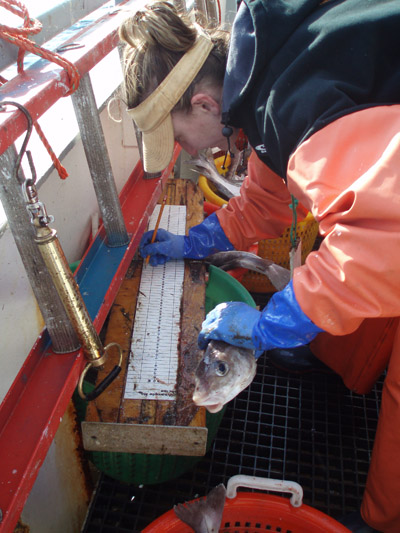
Fishery_ObserverCommercial fishermen are familiar with the Fisheries Observer Program. Launched in 1972 by NOAA, there are between 450 and 1000 observers working on commercial fishing vessels alongside fishermen collecting data at any given time. They are trained scientists (often marine biologists) who collect information that is used to estimate stock levels, protect endangered species, and manage fisheries. Data obtained includes:

• estimates of catch and discards

• biological sampling of the catch

Contact Information