Articles Posted in Limitation of Liability Act

Published on:

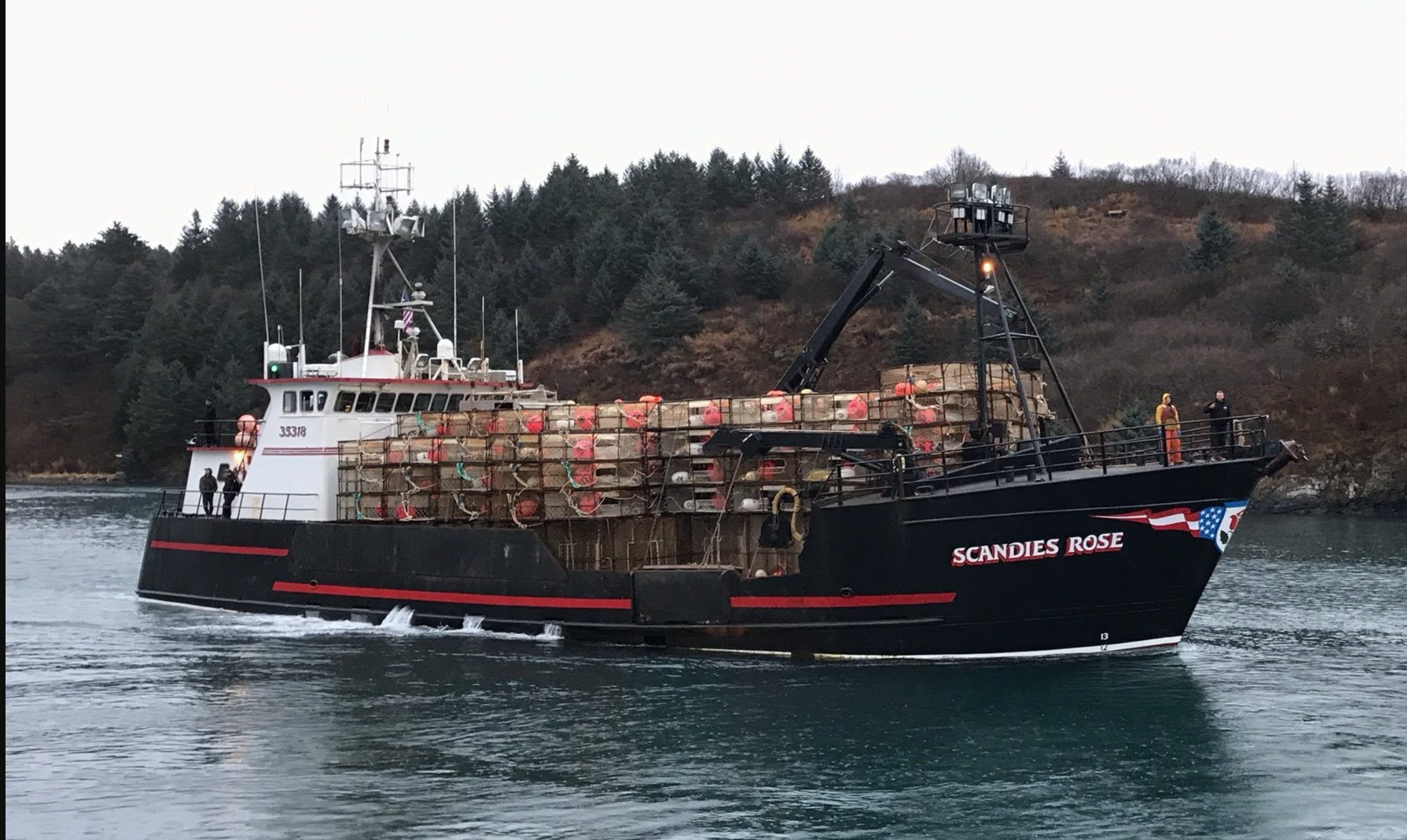
Scandies_Rose-e1790682225945-300x183On New Year’s Eve 2019, the 130-foot F/V SCANDIES ROSE went down in heavy weather and freezing spray about 170 miles southwest of Kodiak. Five crew members were lost; Captain Gary Cobban Jr., his son David Cobban, Seth Rousseau-Gano, Arthur Ganacias, and Brock Rainey. Two men, Dean Gribble Jr. and Jon Lawler, were washed off the hull, found a life raft, and waited about five hours for the U.S. Coast Guard.

Nearly seven years later, Decker Watson has told the story at book length in The Sinking of the Scandies Rose. Watson, a longtime Deadliest Catch producer, knows this fleet well. The book follows the crew and their families, the vessel, the rescue, and the Marine Board of Investigation.

For anyone who has broken ice off a deck or waited on news of someone at sea, it will not be an easy read. However, it is an honest one.

Published on:

Wards-Cove-Alaska-1914-300x170When fishermen or crewmembers are injured or perish in accidents at sea—due to negligence or carelessness by the vessel’s owner, another crewmember, captain, or skipper—Jones Act Law requires that the injured party be compensated.

But what happens when vessel owners work to find ways around paying out what wrongfully-injured workers deserve? One strategy owners have tried is an archaic law called the Limitation of Liability Act. This obscure legislation is sometimes called on to limit a vessel owner’s liability after a particularly devastating accident in which property or life has been lost.

The act was passed by the U.S. Congress in 1851 (the same year that Moby Dick was published) to protect maritime trades and ship owners from complete financial ruin. However, many legal experts believe that this act is showing its age, and that it comes from a different era with different understandings of risk. The purpose of the act was originally to promote the development of the American merchant marine, which is now fully established.

Contact Information