 Maritime Injury Law Blog
Fishing Safety Research Funding Reinstated


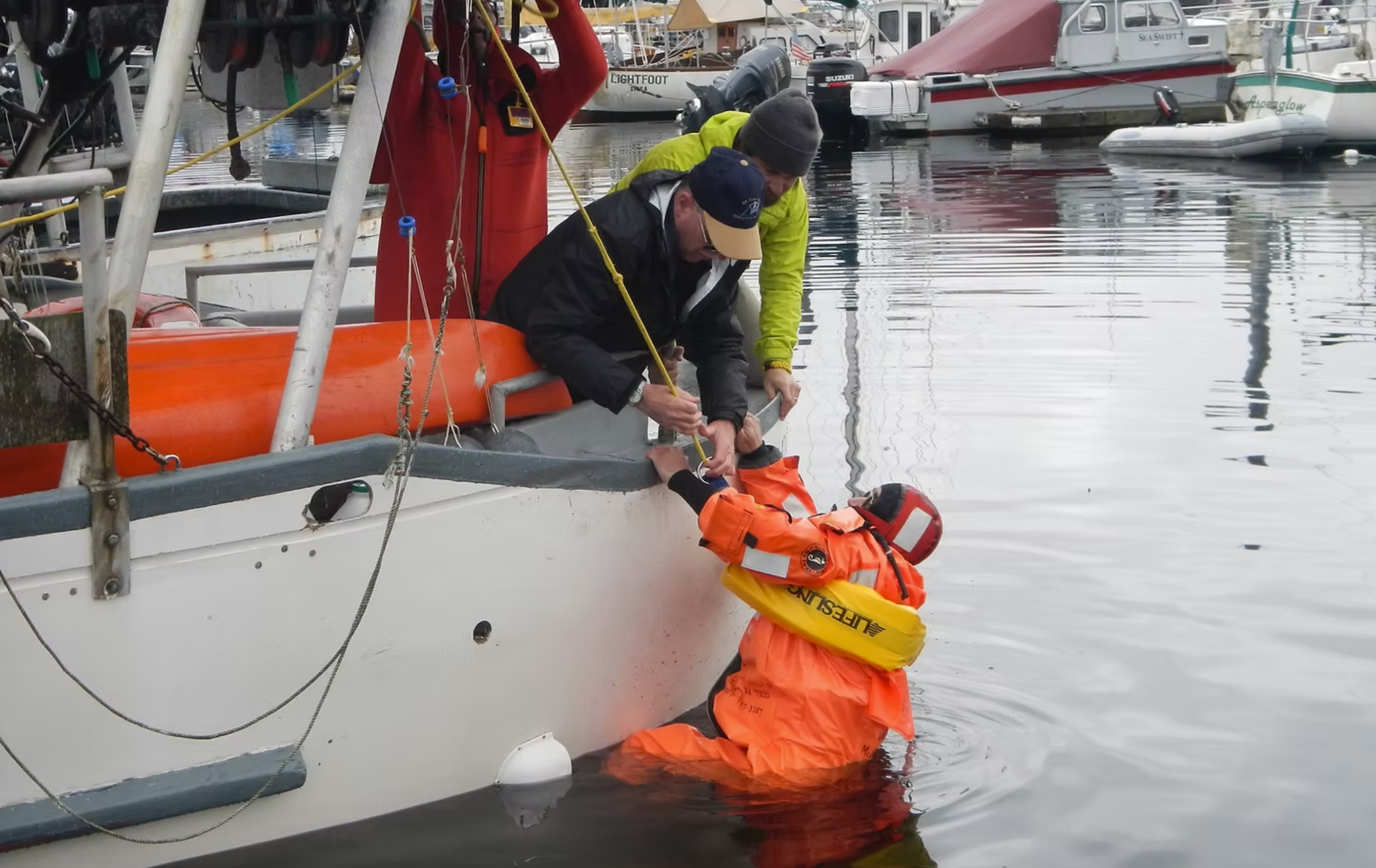 For decades, federal safety research has helped reduce the risks crews face at sea. But recently, that work was threatened when it was announced that funding would be cut and layoffs were ordered. In April, we reported on these cuts. Now that funding has been reinstated, it is worth looking at why this research matters so much to crews working in the Bering Sea and beyond, as commercial fishing remains one of the most dangerous occupations in the United States.
Last spring, the Department of Health and Human Services (HHS) sent layoff notices to approximately 1,000 employees at the National Institute for Occupational Safety and Health (NIOSH). Among the programs affected was the Center for Maritime Safety and Health Studies (CMSHS), the research division that supports fishing vessel safety training, gear design, and injury prevention. CMSHS specifically supports high-risk maritime fields, including commercial fishing, seafood processing, aquaculture, shipyards, marine terminals, marine transportation, and commercial diving. It serves as a centralized platform bringing together industry, labor, academia, and safety experts to tackle critical occupational hazards.
The Alaska Marine Safety Education Association (AMSEA), along with the Fishing Communities Coalition and others in the industry, objected to these cuts. Their argument was that NIOSH funded research and training have helped bring commercial fishing fatalities down by more than 80 percent since the agency’s programs began. That reduction is significant in an industry where the fatality rate remains dozens of times higher than the average American workplace.
HHS has since reversed the layoffs, and NIOSH’s marine safety staff and grant programs are back in place. For 2026, that means that AMSEA can move forward with plans to train 300 drill conductor students across Alaska, along with instructor courses and mariner first aid training for more than 200 fishermen.
Drill conductor training is more than a formality. These drills teach crews how to respond in the critical first minutes after an emergency, whether a person goes overboard, a fire breaks out, or a vessel begins taking on water. The Commercial Fishing Industry Vessel Safety Act of 1988 established the blueprint for these requirements, while NIOSH has funded the training and research behind them for decades.
Safety training and safety equipment requirements exist because real lives have been lost at sea. The research and study of these tragedies is still being funded today. If your vessel or crew has not had a drill conductor training refresh recently, today is a great time to schedule through AMSEA.
If you or a family member has been injured in a commercial fishing related incident, federal law, including the Jones Act, provides real protections and remedies for injured maritime workers. Safety research can reduce risk, but it cannot eliminate it entirely, and when the system fails a crew member, legal options are available.
This latest news is a reminder that safety in the commercial fishing industry is not automatic. It exists because researchers, trainers, and advocates keep working for a safer workplace, year after year. The reinstated funding means the people trying to reduce those risks will keep doing their jobs, and for the crews heading out to the Bering Sea this season, it means the procedures developed to bring them home safely are still in place.