Articles Posted in Immersion Suits

Published on:

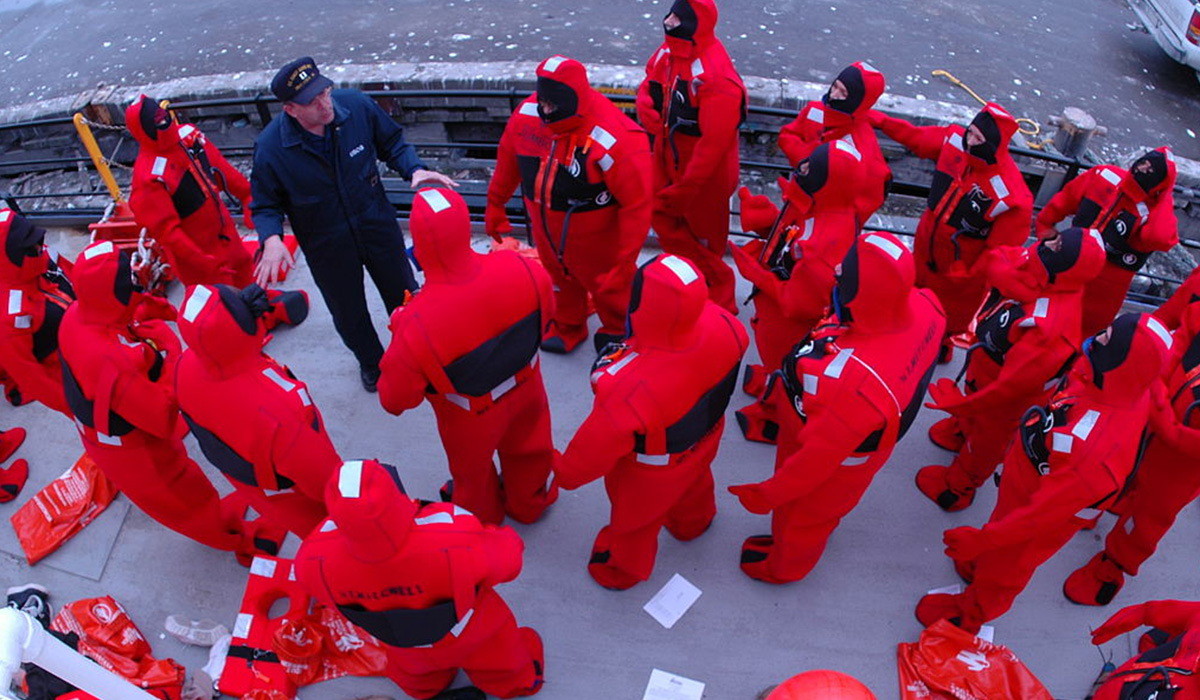
Survival_suits_USCG1200x700-300x175September brings its own version of “back to school” for Alaska’s maritime workers. Southeast salmon crews are finishing their season, Bering Sea crab boats are completing preseason registration ahead of the 2026-2027 season, and deckhands across the region are pulling gear out of storage. It is a good time for a refresher to remember the basics for keeping crew members safe when conditions turn treacherous.

This week, the U.S. Coast Guard ended a search near St. Lawrence Island after an 18-foot skiff carrying three people capsized in the Bering Sea. One teenager survived after clinging to the overturned hull for hours. Tragically, two others did not make it back. The outcome highlights something every mariner knows. In cold water, an overboard victim has very little time. At Bering Sea temperatures, a person without proper protection can lose useful hand and arm function within minutes and can succumb to hypothermia before help arrives, even when a search begins quickly.

That is exactly why immersion suits and EPIRBs are not optional gear on a commercial vessel, they are required by federal regulation for good reason. An immersion suit, when properly stowed, sized, and in good working order, can buy a person in the water hours rather than minutes. An EPIRB that is registered, tested, and mounted where it can be reached in an emergency gives searchers a starting point instead of open ocean to cover, the same kind of search area the U.S. Coast Guard faced off Gloucester, Massachusetts earlier this year when the F/V LILY JEAN was lost with her crew. Safety equipment does not help anyone if it goes unused.

Published on:

Ocean_Sunset-300x200The weather has turned warm, and in many places, high temperatures are breaking records. The air may be warm, but the water is still cold.

In Washington State, the average summer water temperature is just 55 degrees. This may not sound that cold, but it can be deadly. Warm air temperatures can create a false sense of security for fishermen, boaters, and recreational swimmers.

When a human body enters cold water, it goes into shock. This “cold shock” can cause dramatic changes in blood pressure, heart rate, and breathing. Cold water drains heat from the body up to 4 times faster than cold air. Immersion in cold water without a lifejacket or immersion suit can be life-threatening for even the most experienced swimmers.

Published on:

Survival_suits_USCG1200x700-300x175In August of 2020, multiple U.S. Coast Guard units received distress calls stating that the F/V ARCTIC FOX II, a 66-foot commercial fishing boat, had begun taking on water. The vessel was located about 85 miles off Cape Flattery, Washington at the time of trouble.

The three crewmembers aboard were getting ready to abandon ship and reported that they were all wearing survival suits. Once on the scene, the U.S. Coast Guard aircrew immediately spotted a lifeboat. One survivor was aboard and hoisted into the helicopter. Tragically, the other two crewmembers did not survive. The fishermen were all wearing survival suits; however it was later reported that the suits were old, in poor repair, and the seams were cracked. The suits that were meant to save lives were not watertight.

This tragic accident highlights the need for all vessel owners, masters, and captains to test the functionality of immersion suits stored on their vessels. Under federal law, it is the duty of the person in charge of the vessel to make sure all lifesaving gear is properly maintained and inspected before each voyage.

Published on:

Survival_Suit_Saves_Man-300x196On November 2, 2020, the U.S. Coast Guard 17th District command center received a “search and rescue satellite alert” from the F/V IRONY. A 70-year-old man had fallen into the rough waters of Union Bay, Alaska, just northwest of Meyers Chuck.

The U.S. Coast Guard Air Station Sitka launched an MH-60 Jayhawk helicopter crew as well as the U.S. Coast Guard Cutter ANACAPA and crew to carry out the search and rescue operation. The man was found clinging to a piece of debris, immediately hoisted, then taken to awaiting emergency medical personnel in Ketchikan, Alaska.

“What saved this man’s life was his essential survival equipment,” said Lt. Justin Neal, a helicopter pilot from Air Station Sitka. “He had an emergency position indicating radio beacon registered in his name that allowed us to find him quickly, and his survival suit kept him warm long enough for us to rescue him.”

Published on:

Survival_suits_USCG1200x700-300x175On August 11th, multiple U.S. Coast Guard units received distress calls stating that the F/V ARCTIC FOX II, a 66-foot commercial fishing boat, had begun taking on water. The vessel was located about 85 miles off Cape Flattery, Washington at the time of trouble.

The three crewmembers aboard were getting ready to abandon ship and reported that they were all wearing survival suits. Once on the scene, the U.S. Coast Guard aircrew immediately spotted a lifeboat. One survivor was aboard and hoisted into the helicopter. Tragically, the other two crewmembers did not survive. While the fishermen were all wearing survival suits, it was later reported that the suits were old, in poor repair, and that the seams were cracked. The suits that were meant to save lives, were not watertight.

This tragic accident highlights the need for all vessel owners, masters, and captains to test the functionality of immersion suits stored on their vessels. Under federal law, it is the duty of the person in charge of the vessel to make sure all lifesaving gear is properly maintained and inspected before each voyage. Follow these best practices for proper inspection and care.

Contact Information