 Maritime Injury Law Blog
Washington Launches a Statewide Maritime Strategy: What It Could Mean for Workers on the Water


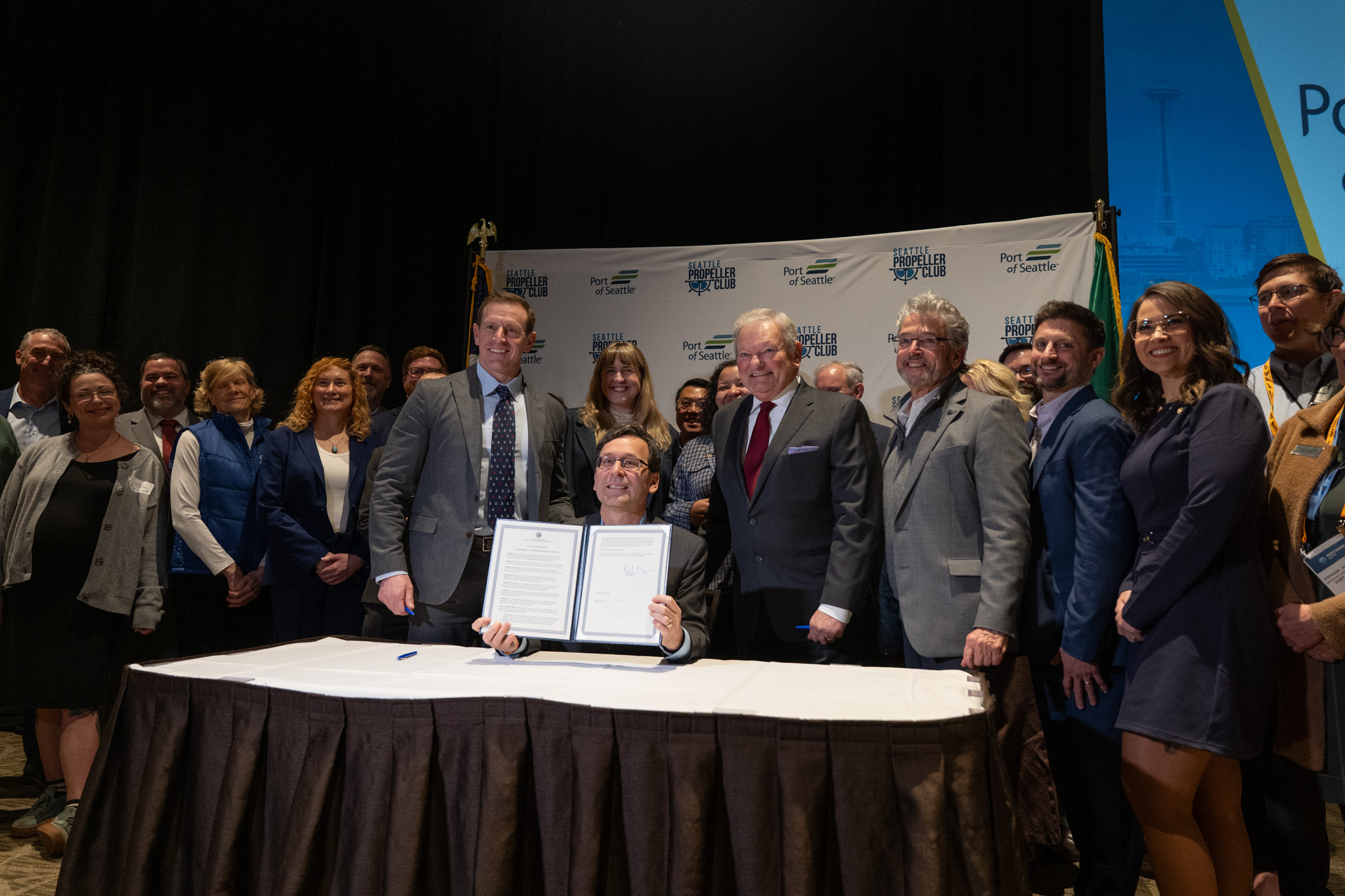 Governor Bob Ferguson has signed an executive order calling for a statewide maritime sector strategy to strengthen Washington’s shipbuilding, vessel repair, commercial fishing, and port industries. He signed the order at the Maritime Industry Economic Forecast Breakfast in Seattle, joined by many of the partners who will help shape the plan.
The order directs the Department of Commerce to work with industry leaders, labor organizations, ports, Tribes, educational institutions, and other stakeholders, with a finished strategy due by September 30, 2027. The effort was one of the first recommendations from the Governor’s Economic Development Council, a group of small businesses, labor representatives, Tribes, educators, and large employers that advises on the state’s economic planning.
For people who make their living on the water, this is close to home. Washington’s working waterfronts support shipyards, fishing terminals, processors, and ports from Puget Sound to the coast, and many vessels that fish in Alaska are homeported, repaired, and crewed out of Seattle.
Under the order, the strategy will focus on several priorities:
- Expanding shipbuilding, vessel repair, and maritime manufacturing, and modernizing aging working waterfronts.
- Growing commercial fishing, seafood processing, and aquaculture.
- Accelerating the shift to lower-emission vessels, terminals, and fuels.
- Expanding workforce training and streamlining permitting while maintaining environmental and worker protections.
- Forming international partnerships with Pacific Rim and Nordic maritime innovators, expanding on recent agreements Governor Ferguson signed with Finland and Denmark.
Growth brings more people onto decks, into engine rooms, and onto shipyard floors, often working with new equipment, retrofitted fuel systems, and unfamiliar procedures. As training and production ramp up, safety standards will need to keep pace.
While vessels and waterfronts evolve, maritime workers’ core legal protections stay the same. Under the federal Jones Act, seamen injured because of an employer’s negligence can seek compensation. Vessel owners must also provide a seaworthy vessel, which means reasonably safe equipment, gear, and procedures, and a properly trained crew. In addition, injured seamen are entitled to maintenance and cure, which covers daily living expenses and medical care until they reach maximum recovery, regardless of fault. Shipyard and dock workers who don’t qualify as seamen may be covered by the Longshore and Harbor Workers’ Compensation Act, depending on the facts of their job and injury.
As agencies and stakeholders draft the plan ahead of the September 2027 deadline, the commitment to pair faster permitting with intact worker protections will be a key point for crews and yard workers to watch.
At Stacey & Jacobsen, we’ll keep following the strategy as it develops. If you work on the water and have questions about your rights after an injury, we’re always glad to talk at 1-877-DECKLAW.