 Maritime Injury Law Blog
Commercial Fisherman Survives 2.5 Hours Overboard Off Cape Cod Without a Life Jacket


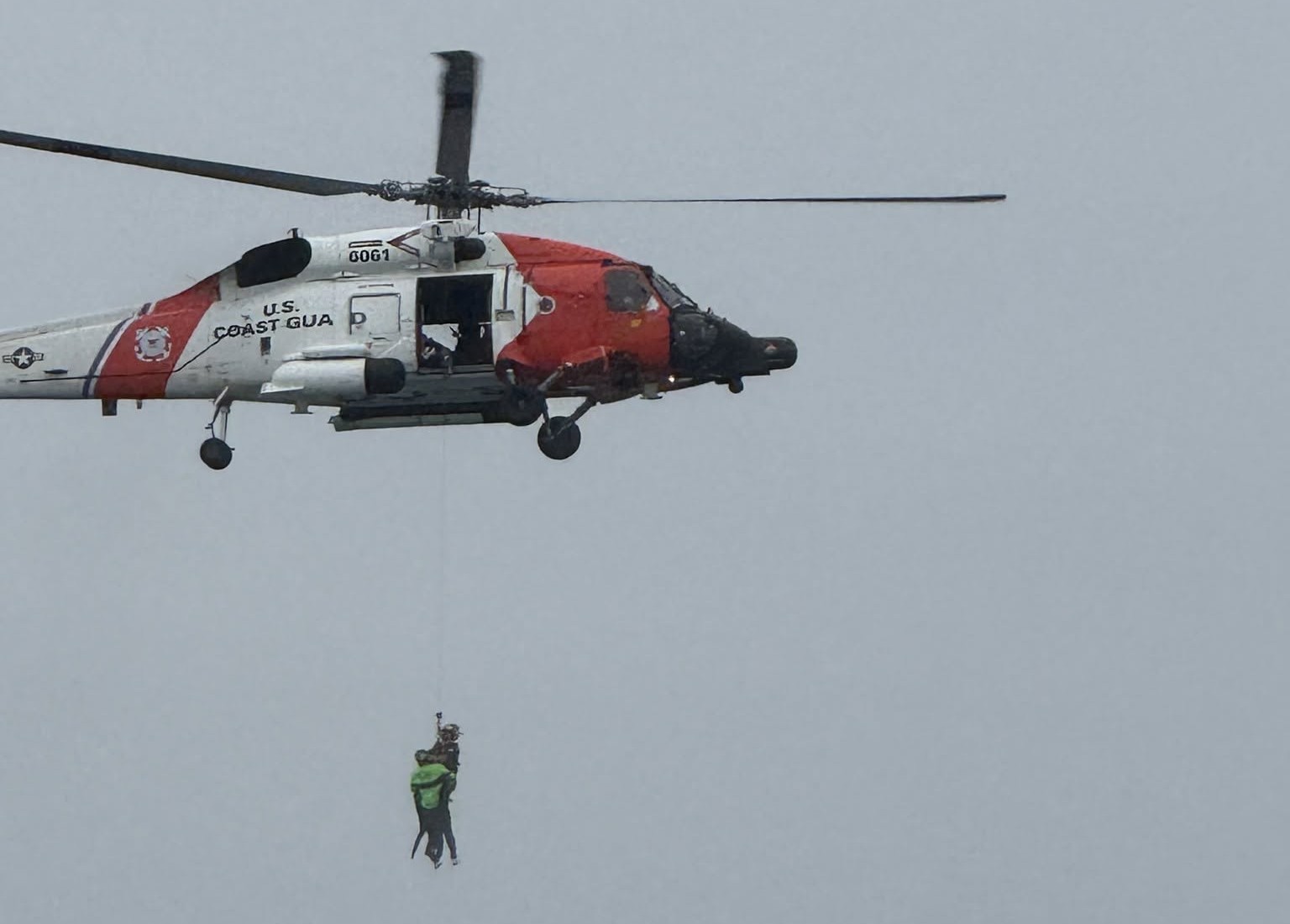 On July 18th, 2026, a commercial fisherman fell overboard from the F/V WESTERN EDGE approximately seven nautical miles east of Truro, Massachusetts. He survived nearly two and a half hours in the Atlantic Ocean with no Personal Flotation Device (PFD), before being rescued by a good Samaritan fishing crew and the U.S. Coast Guard.
After the F/V WESTERN EDGE reported a crew member missing, the U.S. Coast Guard issued an Urgent Marine Information Broadcast and launched a 47-foot motor lifeboat from Station Provincetown, an MH-60 Jayhawk helicopter from Air Station Cape Cod, and diverted the U.S. Coast Guard Cutter MELVIN BELL from a nearby patrol to assist in the search. Nearly two hours after the initial report, the crew of the F/V SEEL JR. spotted the missing fisherman in the water. A rescue swimmer was deployed, and the man was hoisted to safety and transported to a local hospital suffering from hypothermia.
This was the best possibleoutcome, and quite exceptional, considering all the variables. The F/V WESTERN EDGE crew responded immediately, and the F/V SEEL JR. was close enough to act on the marine radio broadcast. Weather conditions were not extreme, and the U.S. Coast Guard had assets nearby.
This almost never happens.
The F/V WESTERN EDGE fisherman’s survival is extraordinary because overboard falls without a life jacket are almost always fatal. Between 2000 and 2019, 266 commercial fishermen in the United States died after falling overboard. According to data from the CDC’s National Institute for Occupational Safety and Health, not one of those 266 workers was wearing a PFD at the time they entered the water.
Cold water accelerates the problem dramatically, and water temperatures off Cape Cod in mid-July can range between 60 and 68 degrees Fahrenheit. This is cold enough to cause significant physical impairment within minutes. Unprotected immersion at those temperatures begins degrading swimming ability and decision making capacity rapidly. Survival times without flotation devices are highly unpredictable, and most people do not live nearly as long as this fisherman did. Thankfully, he survived. But his outcome is truly a statistical anomaly.
Vessel owners and operators have many legal responsibilities to their crew. Under the Commercial Fishing Industry Vessel Safety Act, commercial fishing vessels are required to carry a U.S. Coast Guard approved PFD for every person aboard. Those PFDs must be accessible, properly maintained, and appropriate for the vessel’s operating conditions.
If a crew member goes overboard and is killed or seriously injured, and the investigation reveals that required safety equipment was absent, inaccessible, or in disrepair, that failure can form the basis of a negligence claim under the Jones Act. Vessel owners who don’t take PFD compliance seriously are not just putting lives at risk. They are exposing themselves to significant legal liability.
The crew of the F/V SEEL JR. responded to a marine radio broadcast and changed course at the end of a nine-day fishing trip to search for the overboard fisherman. That decision saved his life, and their response is the real story. The tight bonds within the maritime community, proper radio protocols, and the willingness to act when help is needed saved a man’s life.
The other lesson within this story is easier. If the fisherman had been wearing a life jacket, his survival would not have been a miracle. It would have been expected.
If you or a crew member was injured in an overboard incident and you have questions about your rights under maritime law, contact our office for a free consultation.