Articles Posted in Grounding

Published on:

Ocean-Bay-Rescue-300x195On April 2, 2026, the 58-foot F/V OCEAN BAY ran aground on Umnak Island’s northern shore in the Aleutians. At 4:45 a.m., the U.S. Coast Guard Arctic District Command Center in Juneau received a report that the vessel was taking on water. Watchstanders immediately coordinated a multi-asset response, dispatching an MH-60 Jayhawk helicopter crew and an HC-130 Hercules airplane crew from U.S. Coast Guard Air Station Kodiak and diverted the Cutter WAESCHE to the scene.

A Good Samaritan vessel, F/T SEAFREEZE ALASKA, a 295-foot factory trawler, was first to arrive on the scene at approximately 5 a.m. The Hercules crew and WAESCHE reached the area about three hours later. By that time, the crew of the F/V OCEAN BAY had successfully stopped the flooding and dewatered the vessel.

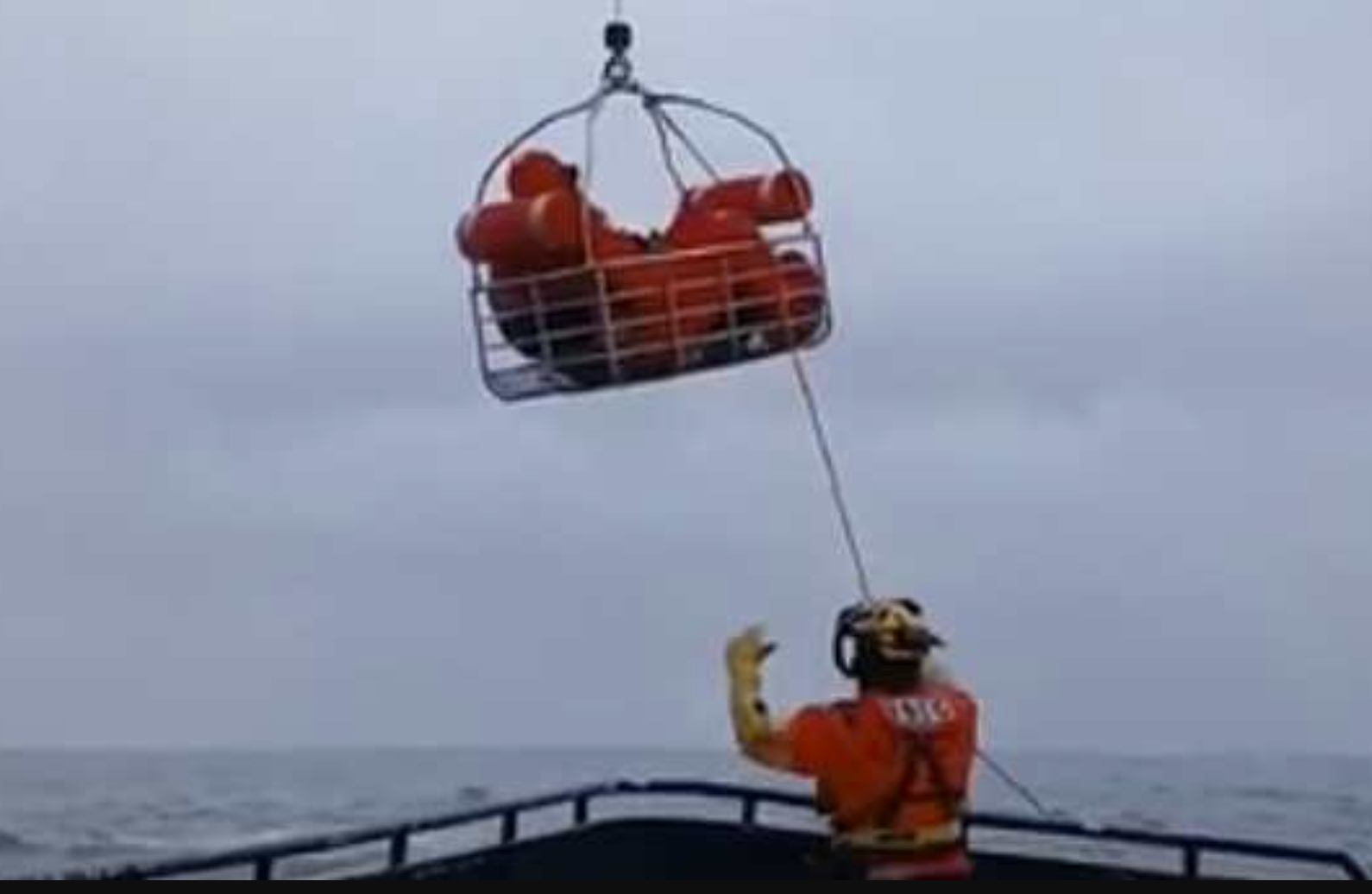
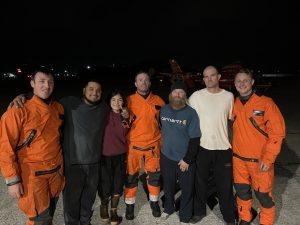
The Jayhawk aircrew arrived at approximately 11:15 a.m. and hoisted all five crew members to safety, transporting them to Dutch Harbor for medical evaluation. Resolve Marine has been contracted to oversee salvage operations on the grounded vessel.
Published on:

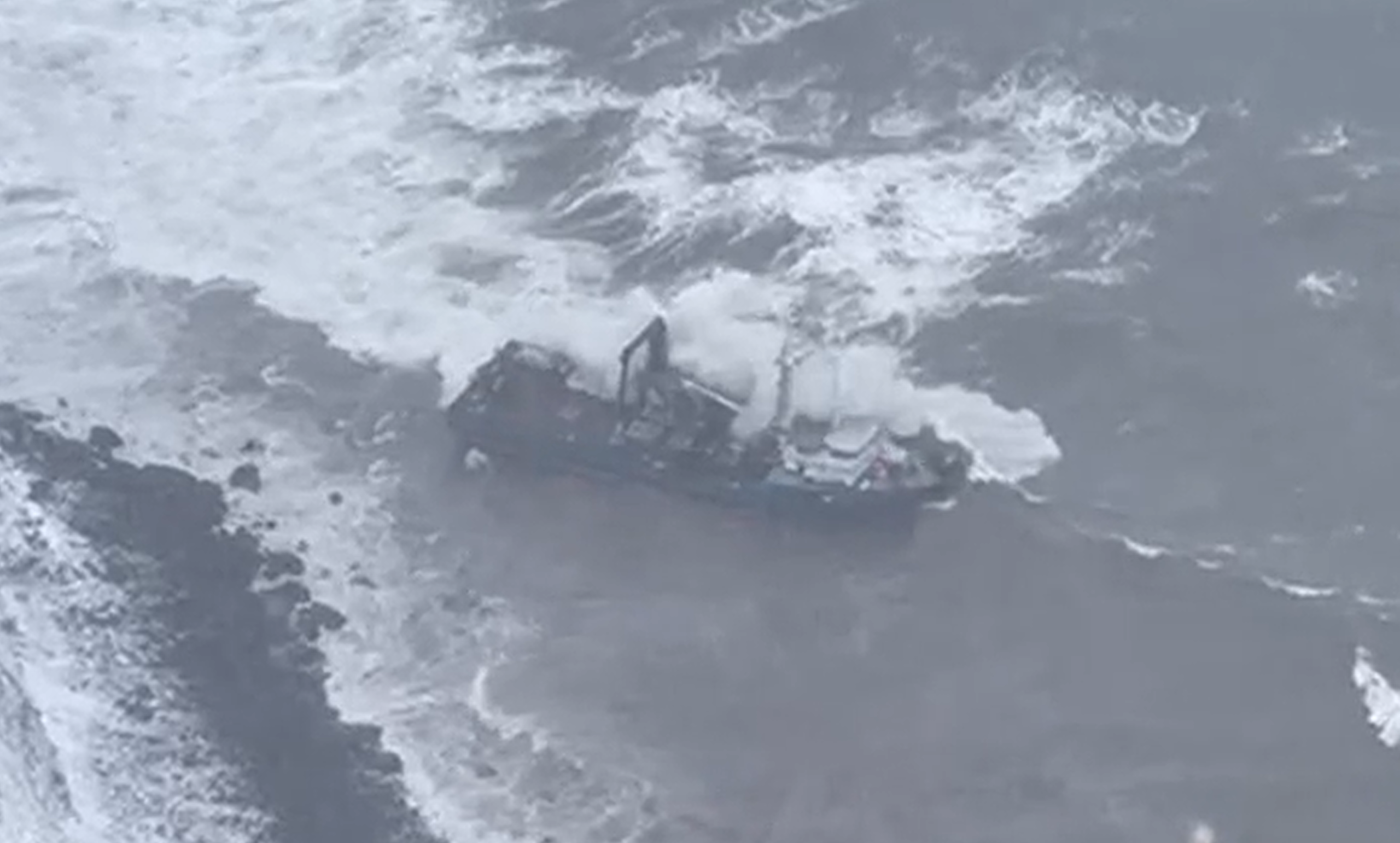
Arctic-Sea-300x181On Monday, January 5th, 2026, nine fishermen spent more than seven hours stranded on their vessel near St. George Island during hurricane force winds. The individuals were subsequently rescued by the U.S. Coast Guard.

The F/V ARCTIC SEA ran aground near the remote island of St. George, located 750 miles southwest of Anchorage, in conditions that made rescue treacherous. Winds were up to 50 knots with 10-foot seas when the U.S. Coast Guard’s Juneau command center received the distress call at 4:11 a.m.

A nearby fishing vessel, the F/V NORTH SEA, reached the scene first but couldn’t attempt a rescue in the extreme weather. Instead, the crew provided real-time updates to U.S. Coast Guard watchstanders coordinating the response.

Published on:

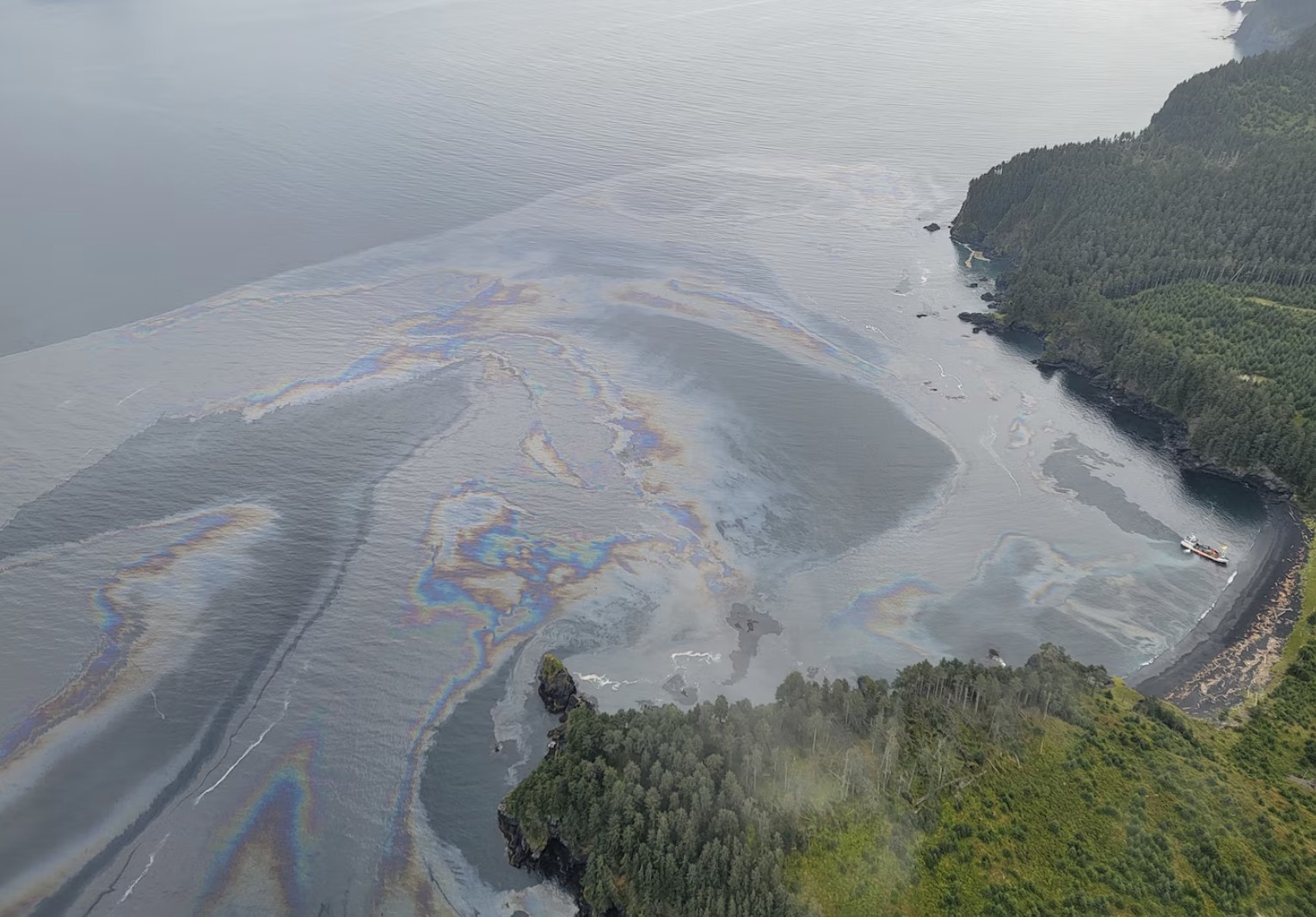
OilSlick-300x209The commercial fishing vessel that ran aground near Alaska’s Afognak Island, spilling thousands of gallons of diesel fuel into surrounding waters, was successfully towed to safety Friday September 5th, 2025, according to state environmental officials.

The 120-foot F/V SEA ERN arrived at Kodiak Harbor at approximately 7 a.m., completing a carefully coordinated salvage operation overseen by the U.S. Coast Guard and Alaska Department of Environmental Conservation (DEC). The vessel has since been moved to drydock at the City of Kodiak shipyard.

Environmental officials estimate between 3,000 and 3,500 gallons of diesel fuel leaked from the vessel after a 12-foot gash tore through its bow, rupturing two fuel tanks. The F/V SEA ERN was carrying approximately 16,290 gallons of fuel at the time of the grounding, with 12,790 gallons remaining aboard.

Published on:

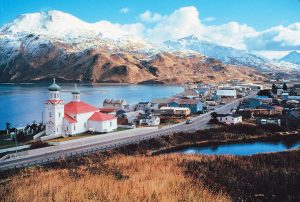
UnalaskaAlaska-300x202On Thursday, January 23, 2025, the 78-foot F/V NORTHERN ENDURANCE ran aground near Little Priest Rock, approximately three miles from Unalaska.

The City of Unalaska Fire Department initially arrived on the scene, then relinquished control of the situation to U.S. Coast Guard’s Marine Safety Unit. A representative from the Fire Department confirmed that the vessel’s captain had assured authorities that all crew members were unharmed, and there were no immediate environmental hazards to report.

The following morning, Resolve Marine, a local salvage operation, was successful in freeing the F/V NORTHERN ENDURANCE, according to Lt. Lawrence Schalles, who heads the U.S. Coast Guard’s Marine Safety Unit in Unalaska. The vessel has been secured near Unalaska’s spit for a thorough inspection.

Published on:

Dutch_Harbor_Rescue-300x225Four people were rescued on August 25th after their fishing vessel ran aground near Dutch Harbor, Alaska.

The F/V ENDURANCE crew made an emergency satellite phone call to watchstanders at approximately 10:57pm, reporting that the vessel had run aground, was listing severely, and taking on water. The call was received by U.S. Coast Guard 17th District command center in Juneau, Alaska and help was dispatched.

U.S. Coast Guard Cutter BERTHOLF was located approximately 30 miles northeast of the F/V ENDURANCE at the time of the call. The BERTHOLF crew launched an MH-65 Dolphin helicopter crew and a small boat to rescue the stranded seafarers.

Published on:

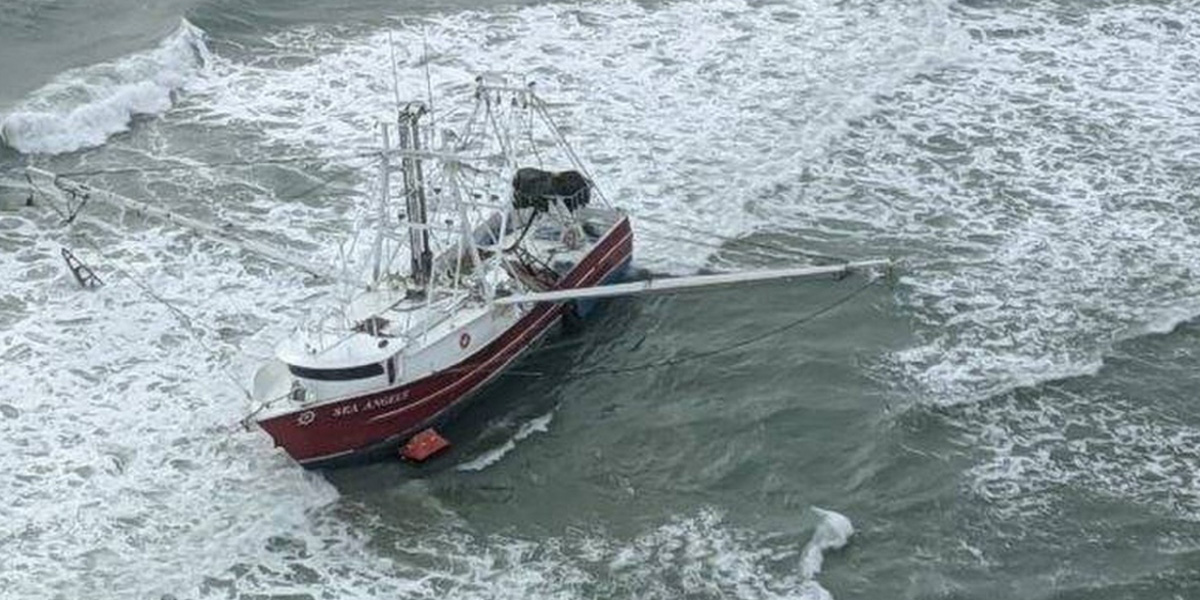
Sea_Angels1200x600The U.S. Coast Guard rescued four fishermen on Monday, December 9th after the F/V SEA ANGELS ran aground near Browns Inlet, North Carolina.

The 88-foot fishing vessel reported that they were experiencing mechanical issues when they called Coast Guard Sector North Carolina requesting assistance.

A 45-foot Response Boat-Medium from Station Emerald Isle as well as an MH-60 Jayhawk helicopter from Air Station Elizabeth City responded to the call for help. Once on the scene, responders were able to hoist all four crewmembers, then transport them to U.S. Coast Guard Station Emerald Isle. See the video that documents this heroic rescue.

Published on:

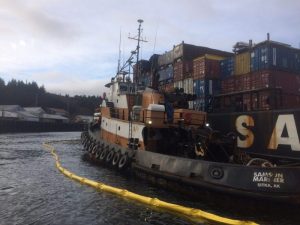
Samson_Mariner-300x225The Coast Guard, working in partnership with several other agencies, continues to respond to the tugboat SAMSON MARINER that ran aground near Rosa Reef in north Tongass Narrows, Alaska. Approximately 1,100 gallons of fuel was spilled before the breach could be patched by Alaska Commercial Divers.

The official report by the Coast Guard indicates that environmental pollution from the breach might have been much higher, as the SAMSON MARINER was carrying 30,000 gallons of fuel on board while the barge was carrying 40,000 gallons of diesel. Thankfully, the barge did not sustain any damage. Southeast Alaska Petroleum Response Organization (SEAPRO) initiated immediate cleansing of the water around the Rosa Reef using a fuel containment and recovery boom as well as absorbent pads.

“We are working closely with our partner agencies to recover as much of the spilled product as possible,” said Capt. Shannan Greene, Coast Guard Sector Juneau commander. “When spilled, this type of diesel spreads quickly into thin films forming patches of rainbow and silver sheens. We expect the sheen to break up within the next 12 to 24 hours, with scattered sheens potentially still visible under the low wind conditions forecast for tomorrow. Although not expected to impact sensitive areas or wildlife, we routinely collaborate with National Oceanic and Atmospheric Administration to mitigate these risks.”

Published on:

In the early morning of February 16, the Alaska Coast Guard received a 406 Emergency Position Indicating Radio Beacon (EPIRB) alert from the 81-foot Fish Tender SAVANNAH RAY. Coast Guard watchstanders made callouts asking if the vessel needed assistance and received a broken MAYDAY from the crew. The vessel had run aground in Chiniak Bay near Kodiak, Alaska, and the four fishermen on board had donned their survival suits and deployed the life raft. A Jayhawk Kodiak helicopter crew flew to the grounded tender, safely hoisted the four fishermen, and flew them to emergency medical services in Kodiak. The weather at the time of the rescue was reported as 51 mph winds with 11-foot seas.

“This rescue highlights how critical it is to have a registered 406 EPIRB onboard when operating a vessel of any size,” said Petty Officer 1st Class Andrew Sheean, watchstander, Sector Anchorage. “During an emergency, especially in the cold waters of Alaska, it’s important for responders to immediately know that an event has occurred and the location of your vessel.”

On July 26, 2013, SAVANNAH RAY grounded in Bainbridge Passage in Prince William Sound, Alaska. The tender floated off the rocks on the incoming tide.

Published on:

On Saturday morning, November 1, 2014, Coast Guard Anchorage received a report that the 382-foot barge DBL106 had run aground approximately two miles from Kodiak, AK while being towed by the 124-foot M/V BISMARK SEA. The barge, owned by Kirby Offshore Marine, is loaded with a possible 2.2 million gallons of fuel products aboard.

The barge was successfully refloated, and no sign of pollution was reported at the time of the grounding. “The Coast Guard is deploying resources to the scene and has directed the vessel’s owners to anchor until a thorough damage assessment can be made,” said Capt. Paul Mehler, Sector Anchorage commander. “Our priority is to ensure the safety of the public and the environment.”

Once at anchor, the vessel will be boomed off to prevent any potential pollution from spreading.

Contact Information