Articles Posted in Bering Sea

Published on:

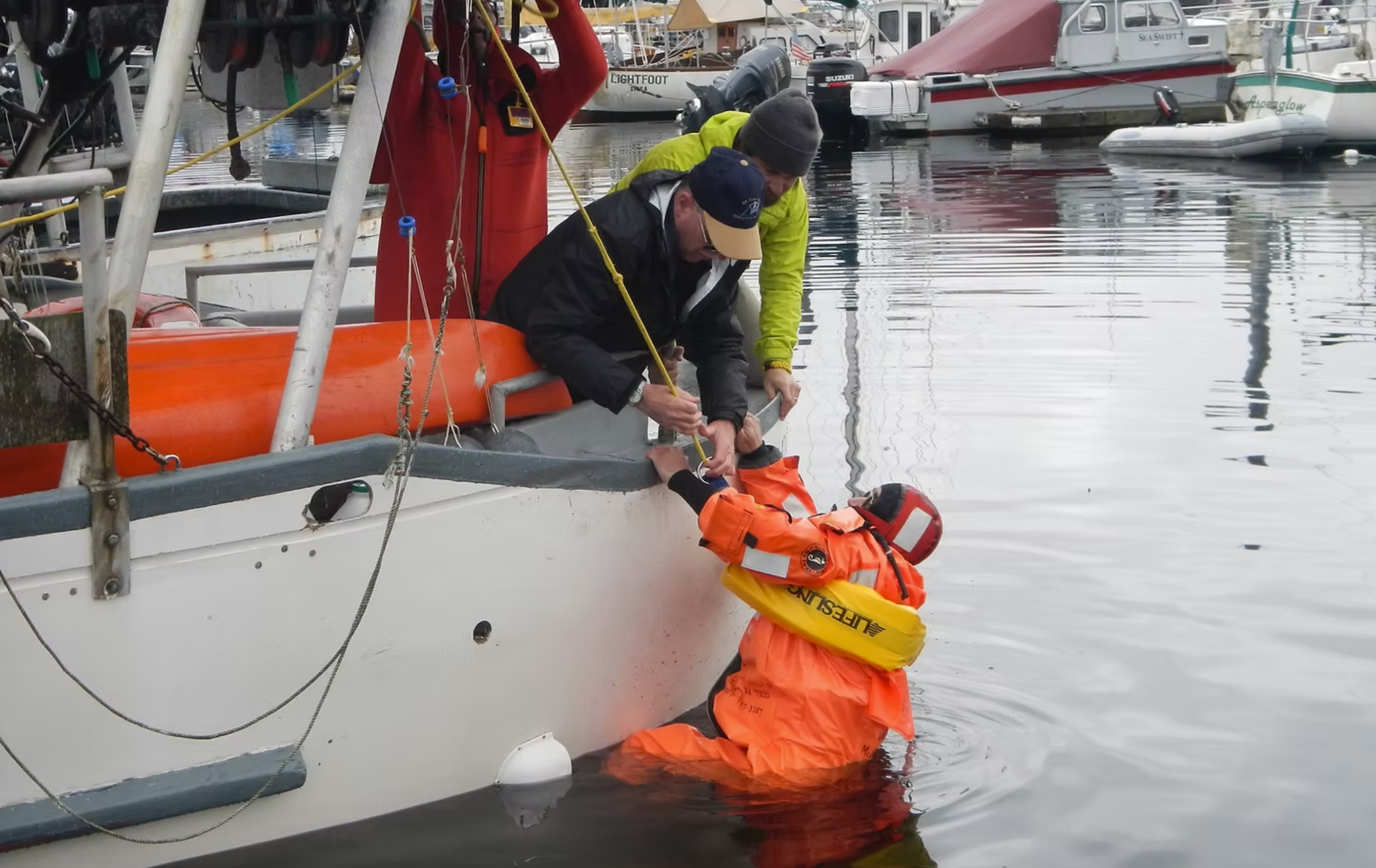
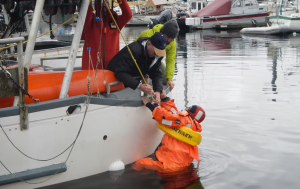
AMSEA-Training-300x189For decades, federal safety research has helped reduce the risks crews face at sea. But recently, that work was threatened when it was announced that funding would be cut and layoffs were ordered. In April, we reported on these cuts. Now that funding has been reinstated, it is worth looking at why this research matters so much to crews working in the  Bering Sea and beyond, as commercial fishing remains one of the most dangerous occupations in the United States.

Last spring, the Department of Health and Human Services (HHS) sent layoff notices to approximately 1,000 employees at the National Institute for Occupational Safety and Health (NIOSH). Among the programs affected was the Center for Maritime Safety and Health Studies (CMSHS), the research division that supports fishing vessel safety training, gear design, and injury prevention. CMSHS specifically supports high-risk maritime fields, including commercial fishing, seafood processing, aquaculture, shipyards, marine terminals, marine transportation, and commercial diving. It serves as a centralized platform bringing together industry, labor, academia, and safety experts to tackle critical occupational hazards.

The Alaska Marine Safety Education Association (AMSEA), along with the Fishing Communities Coalition and others in the industry, objected to these cuts. Their argument was that NIOSH funded research and training have helped bring commercial fishing fatalities down by more than 80 percent since the agency’s programs began. That reduction is significant in an industry where the fatality rate remains dozens of times higher than the average American workplace.

Published on:

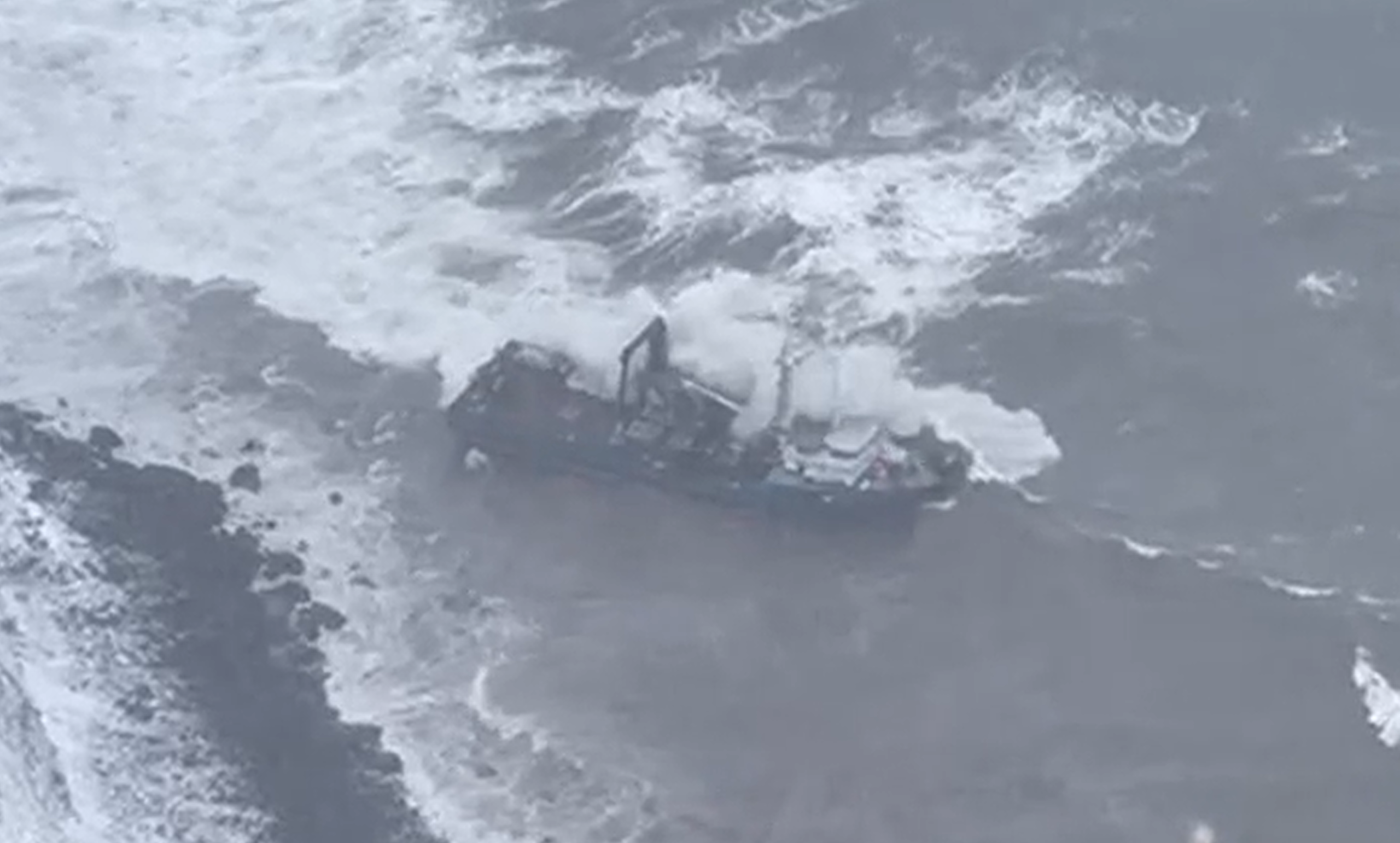
Arctic-Sea-300x181The F/V ARCTIC SEA ran aground on St. George Island in the Pribilofs on January 5th, 2026, and Alaska environmental officials have confirmed that roughly 45,000 gallons of diesel fuel has been released into the ocean. It has been found that five months after the grounding, fuel was still seeping from the vessel.

The F/V ARCTIC SEA was a 134-foot crab boat working through a gale force storm when it lost power. The vessel was caught off the northern shore with no propulsion, facing 50-knot winds and 10-foot seas. It ran aground and began taking on water. The U.S. Coast Guard responded swiftly and rescued all nine crew members, then took them safely to St. Paul, where emergency medical personnel were waiting.

A June 1st, 2026, inspection by Global Diving & Salvage, conducted for a pollution survey, found that the starboard double-bottom tank still held 5,821 gallons of diesel, nearly six thousand gallons sitting in a single breached tank six months after the incident. According to the Alaska Department of Environmental Conservation (DEC) report from June 9, 2026, the team from Global Diving & Salvage stopped further leakage from that tank by plugging its vent and standpipe.

Published on:

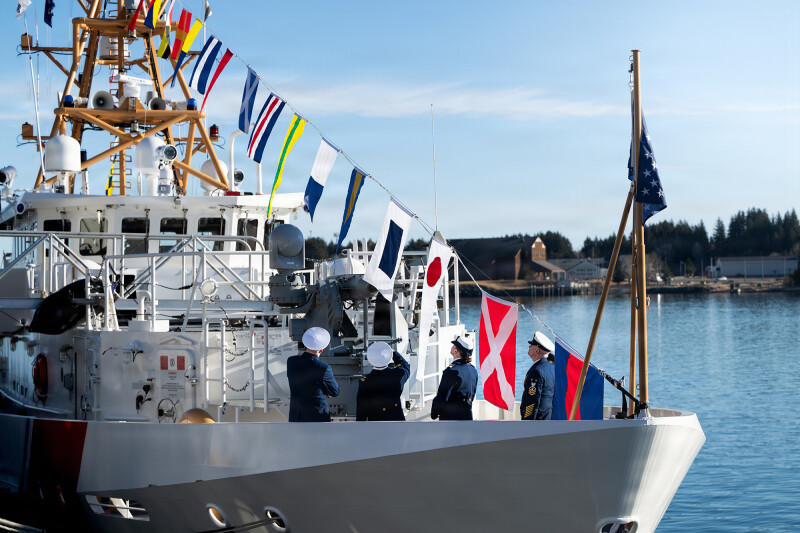
FrederickMann-300x200The USCGC FREDERICK MANN is the sixth Fast Response Cutter (FRC) assigned to the Arctic District and the third for Kodiak. These aren’t ceremonial vessels, they are crucial for conducting search and rescue operations when fishing vessels are in distress, patrol fisheries to protect one of the nation’s most valuable natural resources, and defend the maritime borders.

Alaska’s coastline is longer than the entire rest of the United States combined. However, for decades the U.S. Coast Guard has relied on aging patrol boats built in the 1980s to cover this area. The new generation of FRCs represents a significant upgrade. These new vessels are equipped with advanced surveillance and communications systems and capable of deploying smaller boats over the horizon to reach vessels in distress or under suspicion.

The USCGC FREDERICK MANN will be incorporated into the U.S. Coast Guard during a significant period of modernization. After the commissioning of the USCGC STORIS (the service’s first new polar icebreaker in more than 25 years) the Arctic District is also set to receive two additional Offshore Patrol Cutters soon. For a region where climate change is opening new shipping lanes and creating new security challenges, this is an important addition.

Published on:

Arctic-Sea-300x181On Monday, January 5th, 2026, nine fishermen spent more than seven hours stranded on their vessel near St. George Island during hurricane force winds. The individuals were subsequently rescued by the U.S. Coast Guard.

The F/V ARCTIC SEA ran aground near the remote island of St. George, located 750 miles southwest of Anchorage, in conditions that made rescue treacherous. Winds were up to 50 knots with 10-foot seas when the U.S. Coast Guard’s Juneau command center received the distress call at 4:11 a.m.

A nearby fishing vessel, the F/V NORTH SEA, reached the scene first but couldn’t attempt a rescue in the extreme weather. Instead, the crew provided real-time updates to U.S. Coast Guard watchstanders coordinating the response.

Published on:

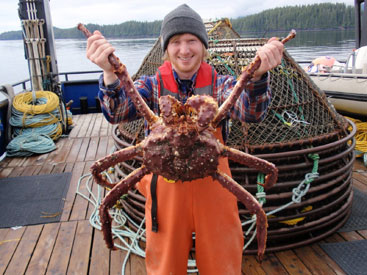
Red_King_Crab-300x225The Alaska Department of Fish and Game (ADF&G) delivered good news to the commercial fishing industry on Monday, October 6, 2025, when it was announced that it is nearly doubling the allowable harvest for the upcoming Bering Sea snow crab commercial fishing season. The increase marks a turning point for an industry that has endured devastating losses over the past several years.

ADF&G has set the catch limit at 9.3 million pounds for the season, representing a substantial increase over last year’s totals. However, the figure remains a reminder of how far the fishery has fallen from its peak. In 1991, crabbers harvested more than 320 million pounds of snow crab from these waters. Even as recently as 2020, the catch limit was set at 45 million pounds before the stock’s catastrophic collapse.

The downturn began in 2021 when more than 10 billion snow crabs vanished from the Bering Sea. The disappearance forced regulators to close the fishery for two consecutive seasons, leaving boats tied to docks and processing plants closed. Researchers attributed the collapse to warming ocean waters driven by climate change, which disrupted the delicate ecosystem these cold-water crustaceans depend on.

Published on:

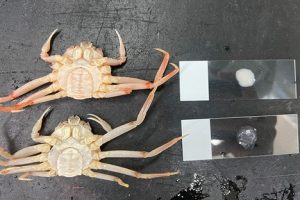
Bitter_Crab_Disease-300x200A recent study using advanced genetic testing has revealed alarmingly high infection rates of bitter crab disease in Tanner and snow crabs, two commercially important species in the Bering Sea. Scientists estimate that up to 42 percent of Tanner crabs and 36 percent of snow crabs were infected during the study period, considerably higher than previous estimates.

Bitter crab disease, caused by microscopic parasites, has been shown to be lethal in a lab setting. Traditional detection methods which relied on visual observations and blood sample analysis, suggested infection rates of less than 10 percent. However, the more sensitive genetic methods used in this study show a drastically different situation.

“That is a nearly four-fold increase in the annual prevalence levels previously detected,” said Erin Fedewa, a fisheries biologist at NOAA’s Alaska Fisheries Science Center.

Contact Information