Articles Posted in Maritime Laws

Published on:

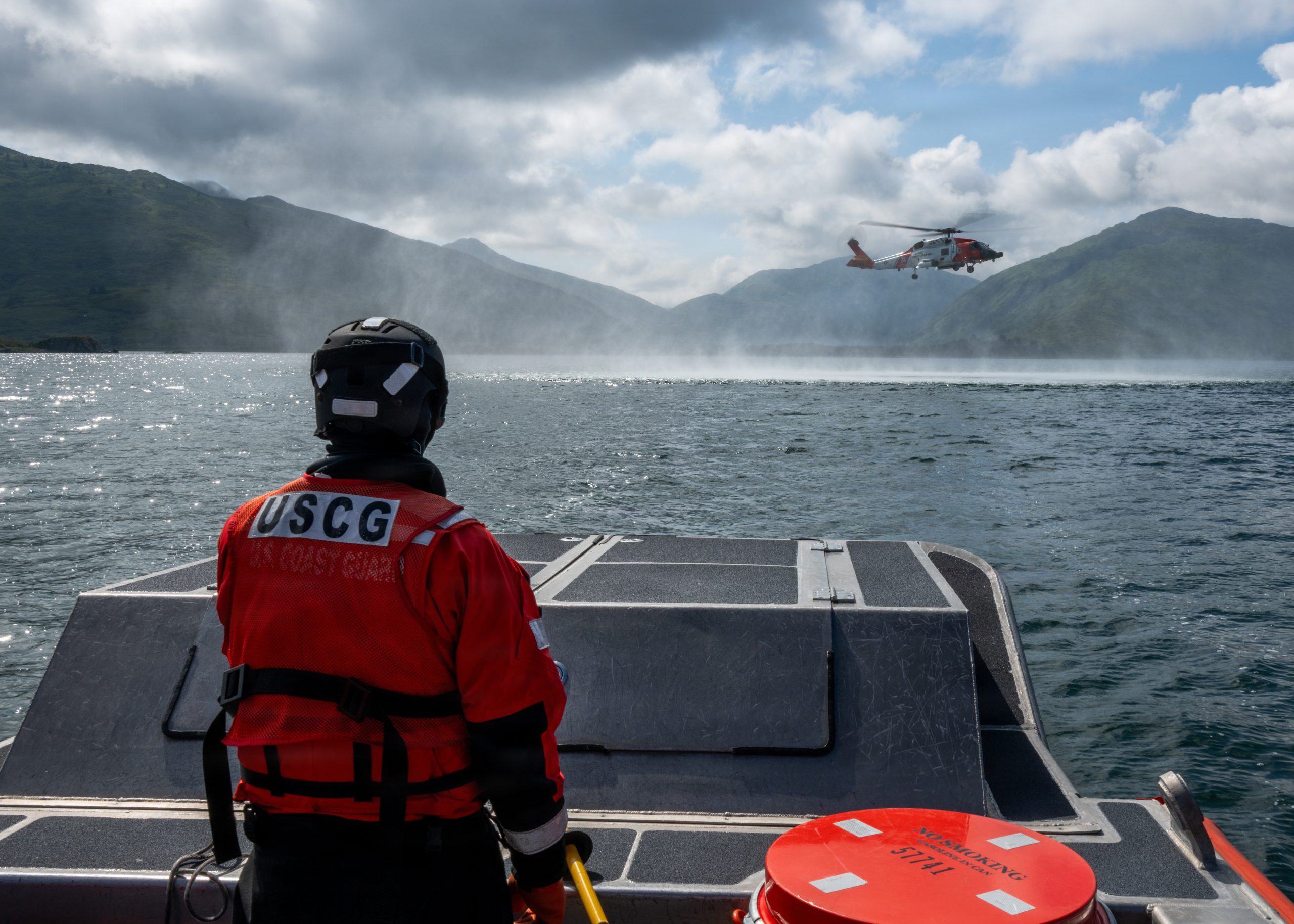
Alaska_Search-300x214It is with great sadness that we report the loss of Guy Eriksen, a 39-year-old crew member from Nevada, who went overboard from the F/V INLET SUNRISE shortly after midnight on August 23rd, 2026. The vessel was anchored in Sawmill Bay at the time of the incident, about ten miles from Valdez Harbor.

Watchstanders at U.S. Coast Guard Sector Western Alaska and U.S. Arctic received the call at approximately 12:07 a.m. and launched a response. The U.S. Coast Guard Station Valdez boat crew searched the area in a response boat-medium, as well as an MH-60 Jayhawk helicopter crew from Air Station Kodiak, Alaska. State Troopers and approximately ten Good Samaritan vessels also responded to help. On-scene conditions were relatively mild for the region, with 5 mph winds, calm seas, and an air temperature of 49 degrees. The search lasted more than 10 hours, and was eventually suspended at 10:45 a.m. on August 23, pending further information.

Alaska Wildlife Troopers took over the search effort, requesting assistance from the Alaska Dive Search Rescue and Recovery Team. That evening, at about 9 p.m., the dive team recovered Mr. Eriksen’s body from the water near where he had gone missing. He was transported to the State Medical Examiner’s Office for an autopsy, and an investigation into his death remains ongoing.

Published on:

Cape_Cod2-300x215On July 18th, 2026, a commercial fisherman fell overboard from the F/V WESTERN EDGE approximately seven nautical miles east of Truro, Massachusetts. He survived nearly two and a half hours in the Atlantic Ocean with no Personal Flotation Device (PFD), before being rescued by a good Samaritan fishing crew and the U.S. Coast Guard.

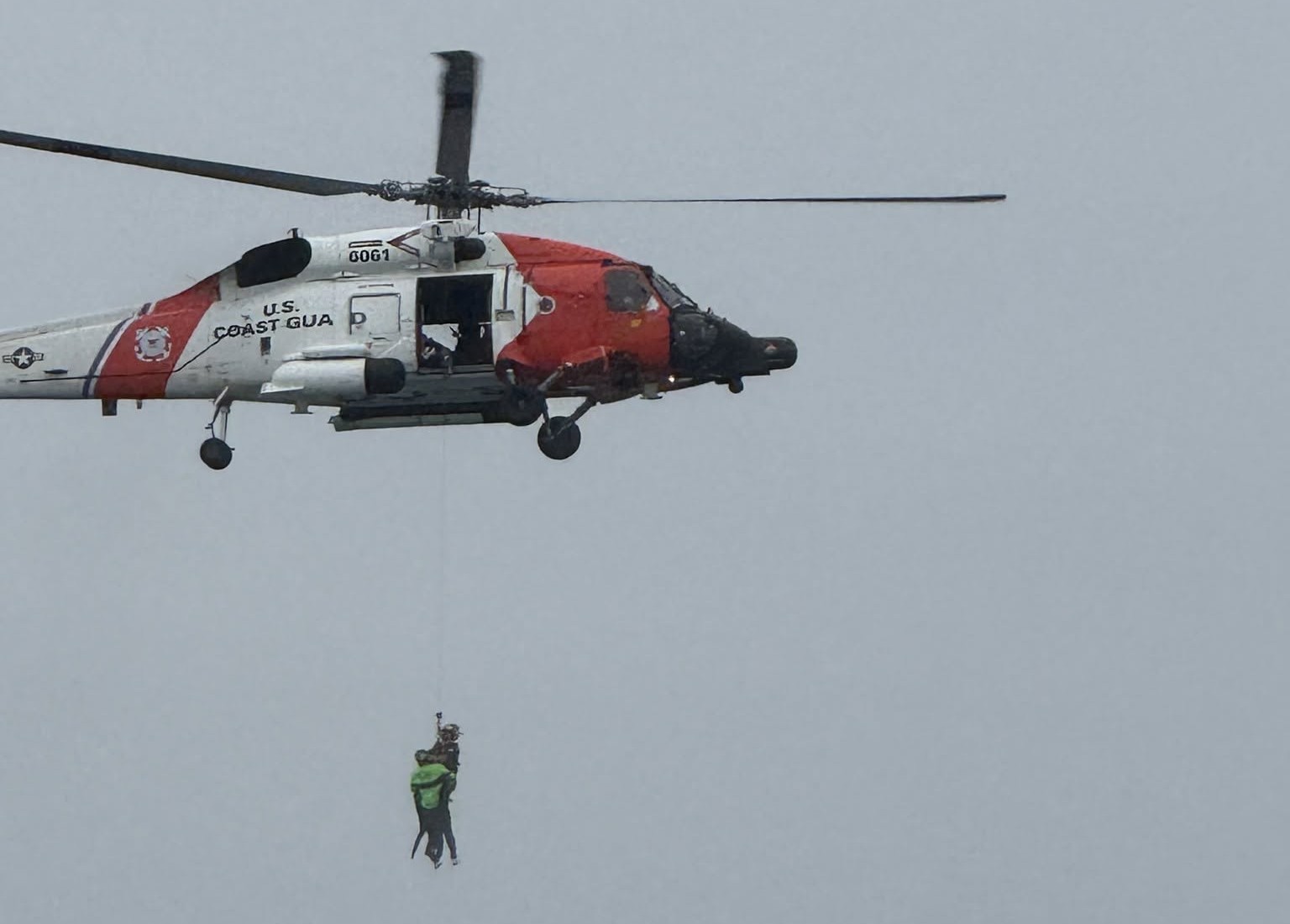
After the F/V WESTERN EDGE reported a crew member missing, the U.S. Coast Guard issued an Urgent Marine Information Broadcast and launched a 47-foot motor lifeboat from Station Provincetown, an MH-60 Jayhawk helicopter from Air Station Cape Cod, and diverted the U.S. Coast Guard Cutter MELVIN BELL from a nearby patrol to assist in the search. Nearly two hours after the initial report, the crew of the F/V SEEL JR. spotted the missing fisherman in the water. A rescue swimmer was deployed, and the man was hoisted to safety and transported to a local hospital suffering from hypothermia.

This was the best possibleoutcome, and quite exceptional, considering all the variables. The F/V WESTERN EDGE crew responded immediately, and the F/V SEEL JR. was close enough to act on the marine radio broadcast. Weather conditions were not extreme, and the U.S. Coast Guard had assets nearby.

Published on:

Man-Taking-Photo-300x200You already know that you work in one of the most dangerous industries in the world. When something goes wrong, the decisions you make in the first hours and days after an injury can determine whether you receive the full compensation you are entitled to or whether you walk away with far less than you deserve.

Maritime law and the Jones Act exist to protect you. Here is how to protect yourself.

  1. Report any Accident Immediately
Published on:

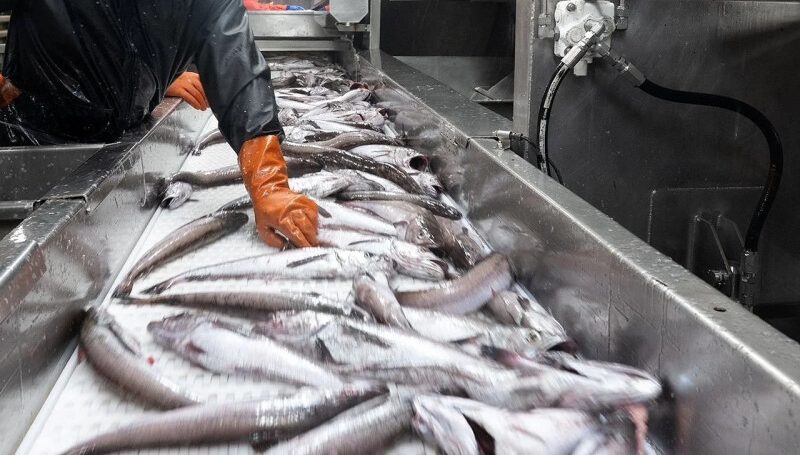
FishProcessor-e1778629069716-300x171If you work as a fish processor aboard a factory trawler or catcher-processor vessel, you may not think of yourself as a seaman. You spend your shifts below deck, gutting, filleting, and freezing fish, not steering the vessel or hauling gear. However, under federal maritime law, your job title does not determine your legal rights, where you work does.

Fish processors who work aboard vessels actively operating at sea qualify as seamen under the Jones Act. That distinction matters enormously when something goes wrong.

The line that separates Jones Act protection from state workers’ compensation coverage comes down to one question: were you working on a vessel in navigation when you were injured?

Published on:

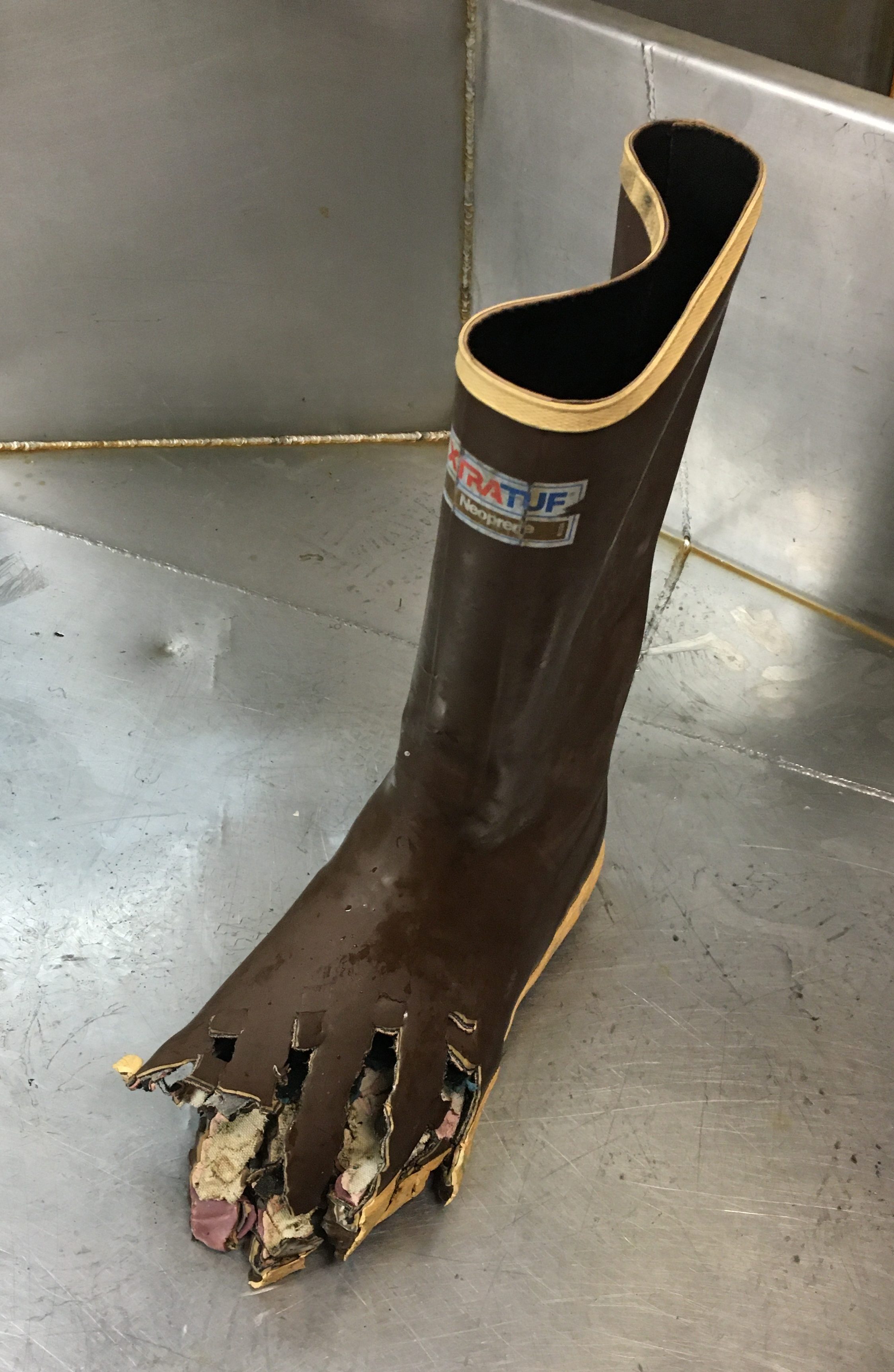
Boot-e1573002489495-196x300If you were hurt while working on a commercial fishing boat, you might have questions about your legal rights and protections. Unlike most land-based workers, commercial fishermen typically cannot access state workers’ compensation benefits. Instead, your rights fall under Federal Maritime Law and the Jones Act, legal frameworks specifically designed to protect maritime workers.

What Makes Federal Maritime Law Different?

Federal Maritime Law shares some similarities with traditional workers’ compensation systems, but it offers several distinct advantages for injured workers. When a commercial fisherman suffers an injury due to negligence or an unseaworthy vessel, they have legal recourse through both the Jones Act and General Maritime Law.

Published on:

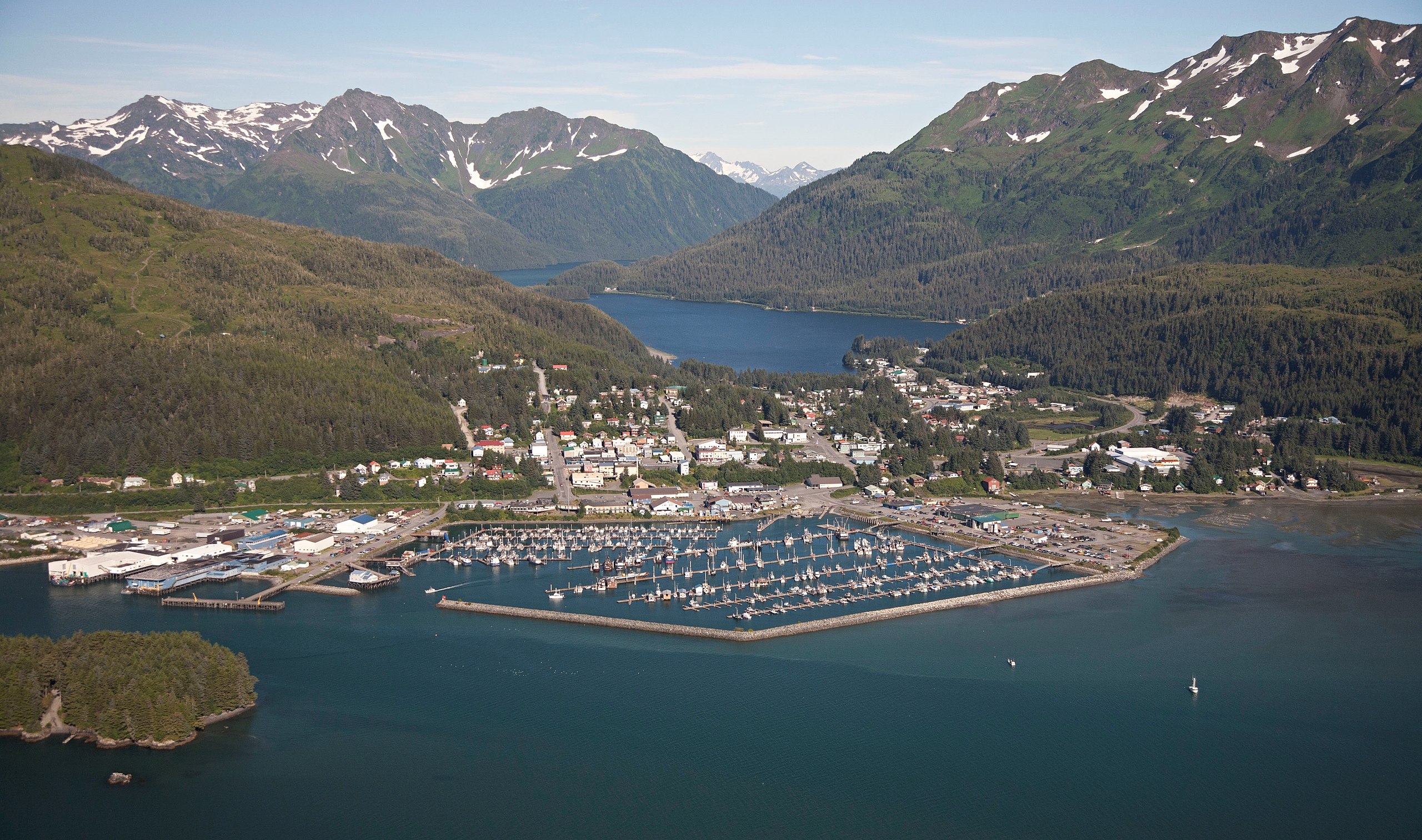
Cordova_Alaska_aerial-300x177If you’re injured while working on a vessel in Alaska, your maintenance payments should reflect the actual cost of living there, not just employer-set rates. Many vessel owners underpay maritime workers during recovery, disregarding the higher costs in remote locations.

While this article will address the specific rates and challenges facing Alaska’s commercial fishermen and processors, a detailed explanation of maintenance and cure is available at Maintenance and Cure Medical Treatment Rights.

The True Cost of Living

Published on:

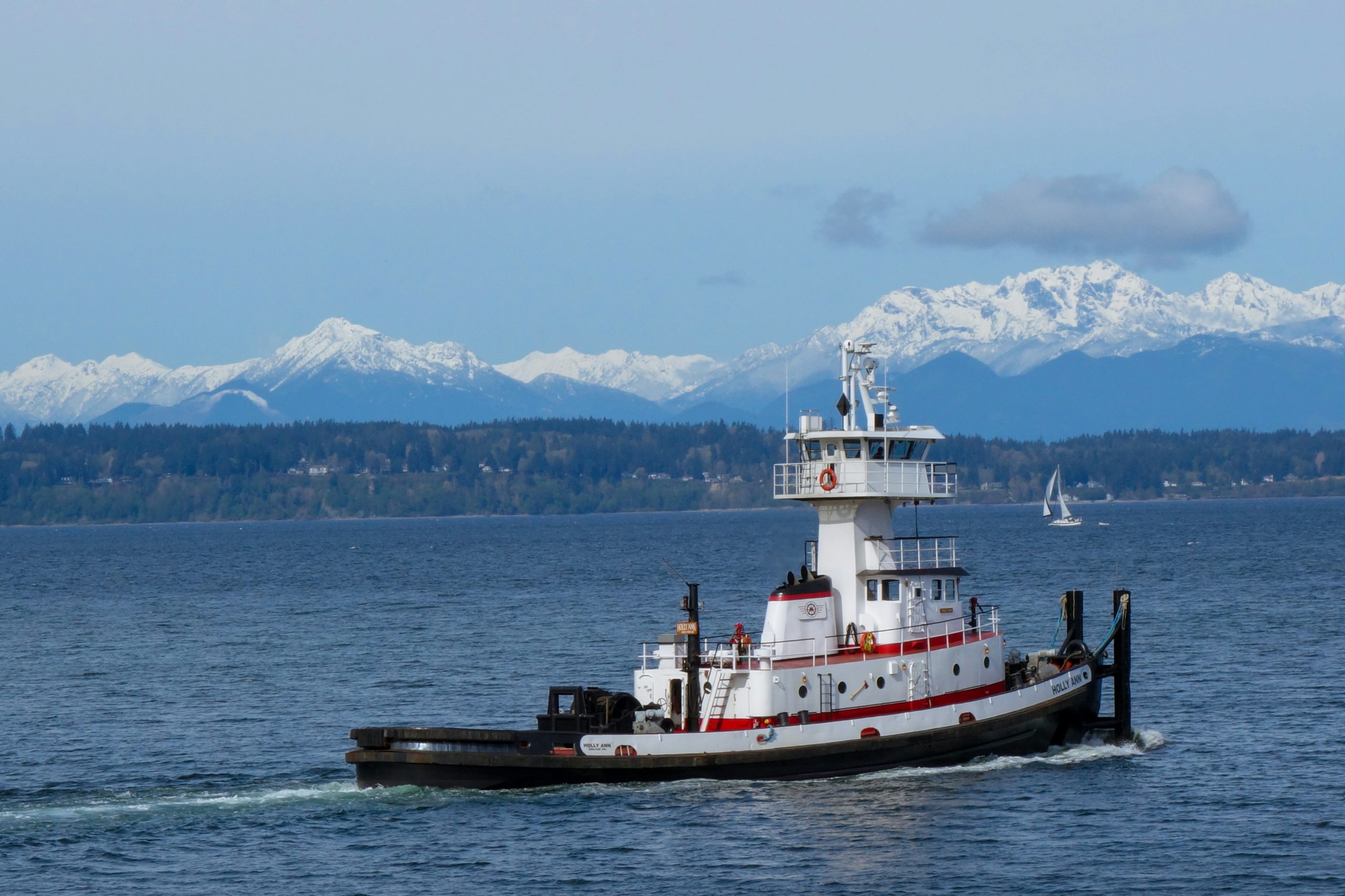
Tugboat-holly-ann-sebastien-goldberg-unsplash-300x200Tugboats are essential for guiding large vessels into ports, assisting with construction projects, and supporting many marine operations. The crews who navigate these powerful vessels face unique hazards daily, from treacherous weather and heavy machinery to long hours and unpredictable conditions. When accidents happen, and a tugboat worker is injured, it is imperative that the worker understand their legal rights and the specific protections available.

Unlike shore workers who are covered by state workers’ compensation laws, injured tugboat workers fall under a distinct and more favorable set of federal maritime laws. The most significant of these is the Jones Act. This landmark legislation, officially known as the Merchant Marine Act of 1920, offers a powerful legal avenue for injured seamen to seek compensation from their employers.

The Jones Act is Essential Protection

Published on:

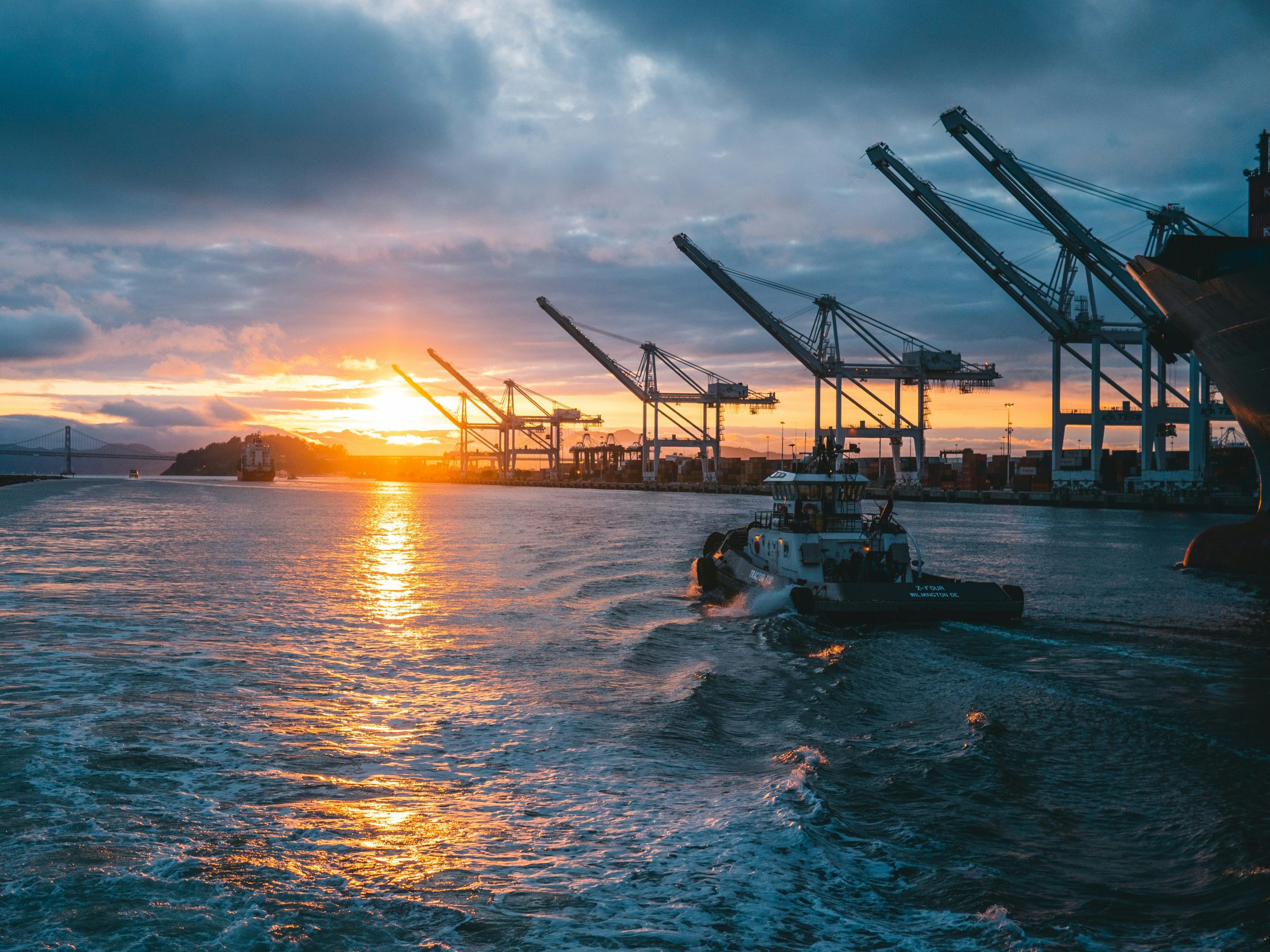
Tugboat_CA-300x225The Jones Act, or the Merchant Marine Act of 1920, grants maritime workers the right to pursue a claim against their employer for negligence if an injury occurs during their employment. Unlike traditional workers’ compensation, the Jones Act is a fault-based statute. This means that to succeed in a claim, the injured worker must show that their employer’s negligence or the negligence of a fellow crewmember directly contributed to the injury.

What an Employer Can Do in a Jones Act Claim

Upon notification of a maritime injury, an employer is entitled to undertake several actions as part of their investigation and defense:

Published on:

MH-Dolphin_Hover-300x200The U.S. Coast Guard’s Sector Honolulu command center received a medevac request at 4:57 p.m. on Monday, October 21, 2024, after notification that a 35-year-old crew member was experiencing severe abdominal pain. The F/V PACIFIC DRAGON II, was located approximately 78 miles northeast of Kahului, Maui at the time of the call.

An MH-65 Dolphin helicopter crew from U.S. Coast Guard Air Station Barbers Point was dispatched to locate the vessel and evacuate the distressed fisherman. The helicopter reached the scene at approximately 4:00 a.m. on Tuesday, October 22nd, 2024, and transported the crewmember to Maui Memorial Medical Center in Wailuku.

“Watchstanders consulted with the duty flight surgeon, who recommended a medevac,” said a released statement, underscoring the urgency of the medical situation.

Published on:

SeekJustice-300x208Employment aboard a tugboat carries inherent risks, emphasizing the crucial role tugboat owners play in maximizing crew safety and assuming financial liability in case of crew injuries. Regrettably, many tug and barge companies neglect these obligations. However, Federal Maritime law offers unique protection for crew members who sustain injuries while working on tugs, barges, and towboats.

Jones Act Law

The Jones Act establishes a legal avenue to pursue claims of negligence against an employer if an injury occurs. Employers have an obligation to ensure a safe work environment for all maritime workers. Most maritime accidents can be avoided by adhering to proper safety protocols, supplying a competent crew, and maintaining the condition of a ship’s equipment in a reasonable and safe manner. According to maritime law, the owner of the vessel is required to furnish workers with a seaworthy ship, and this obligation is absolute.

Contact Information