Articles Posted in Overboard Incidents

Published on:

Alaska_Search-300x214It is with great sadness that we report the loss of Guy Eriksen, a 39-year-old crew member from Nevada, who went overboard from the F/V INLET SUNRISE shortly after midnight on August 23rd, 2026. The vessel was anchored in Sawmill Bay at the time of the incident, about ten miles from Valdez Harbor.

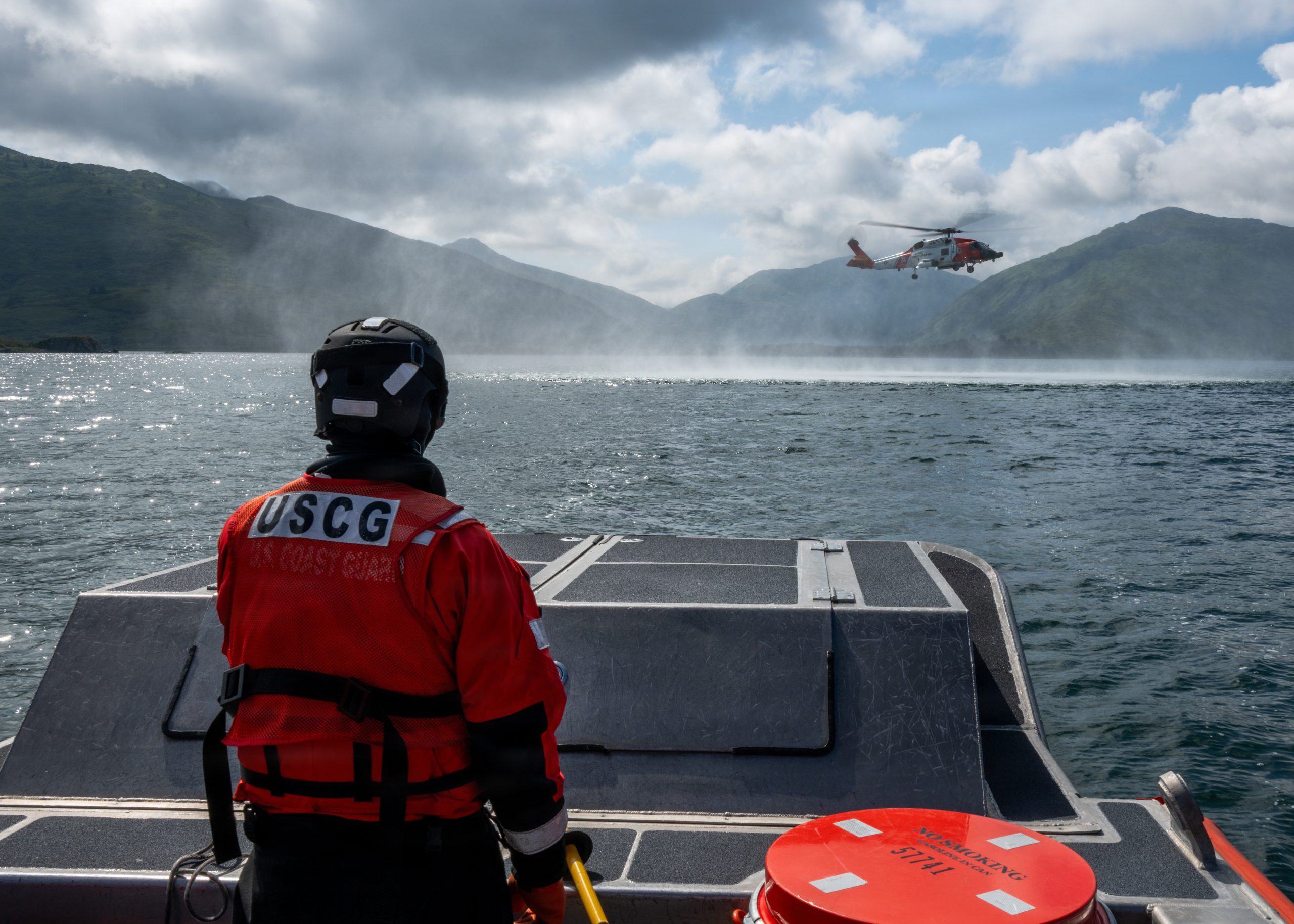
Watchstanders at U.S. Coast Guard Sector Western Alaska and U.S. Arctic received the call at approximately 12:07 a.m. and launched a response. The U.S. Coast Guard Station Valdez boat crew searched the area in a response boat-medium, as well as an MH-60 Jayhawk helicopter crew from Air Station Kodiak, Alaska. State Troopers and approximately ten Good Samaritan vessels also responded to help. On-scene conditions were relatively mild for the region, with 5 mph winds, calm seas, and an air temperature of 49 degrees. The search lasted more than 10 hours, and was eventually suspended at 10:45 a.m. on August 23, pending further information.

Alaska Wildlife Troopers took over the search effort, requesting assistance from the Alaska Dive Search Rescue and Recovery Team. That evening, at about 9 p.m., the dive team recovered Mr. Eriksen’s body from the water near where he had gone missing. He was transported to the State Medical Examiner’s Office for an autopsy, and an investigation into his death remains ongoing.
Published on:

Cape_Cod2-300x215On July 18th, 2026, a commercial fisherman fell overboard from the F/V WESTERN EDGE approximately seven nautical miles east of Truro, Massachusetts. He survived nearly two and a half hours in the Atlantic Ocean with no Personal Flotation Device (PFD), before being rescued by a good Samaritan fishing crew and the U.S. Coast Guard.

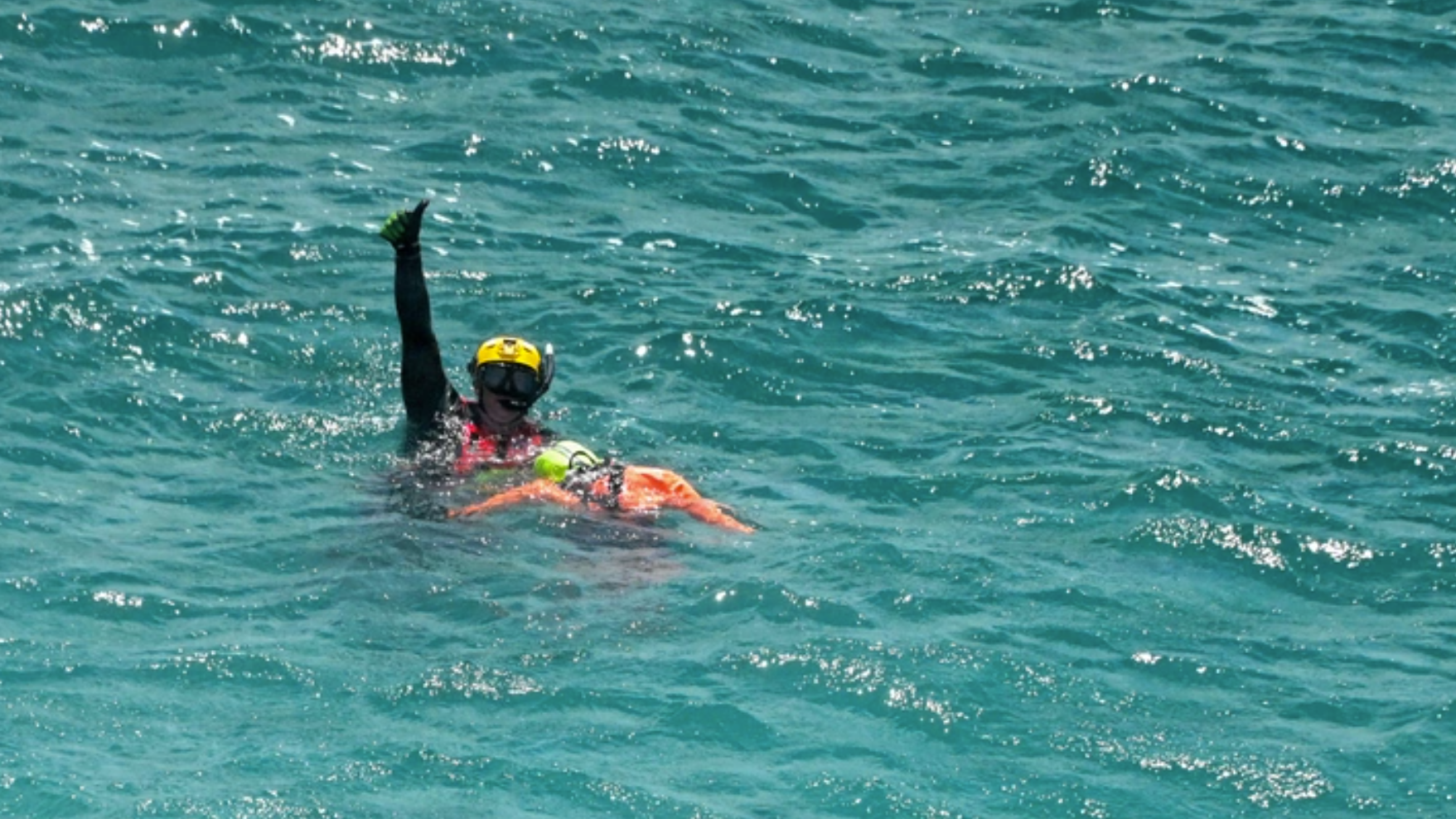
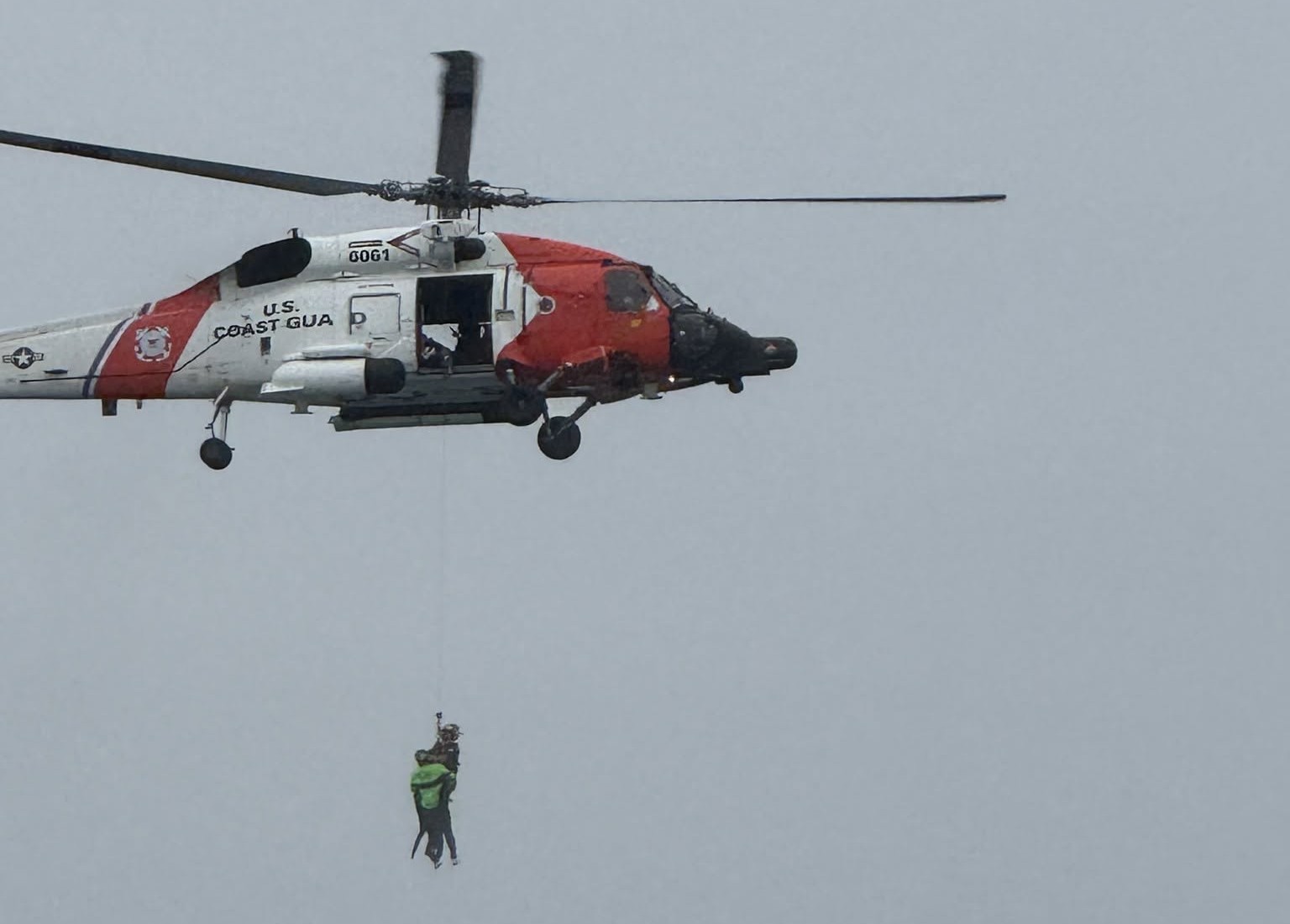
After the F/V WESTERN EDGE reported a crew member missing, the U.S. Coast Guard issued an Urgent Marine Information Broadcast and launched a 47-foot motor lifeboat from Station Provincetown, an MH-60 Jayhawk helicopter from Air Station Cape Cod, and diverted the U.S. Coast Guard Cutter MELVIN BELL from a nearby patrol to assist in the search. Nearly two hours after the initial report, the crew of the F/V SEEL JR. spotted the missing fisherman in the water. A rescue swimmer was deployed, and the man was hoisted to safety and transported to a local hospital suffering from hypothermia.

This was the best possibleoutcome, and quite exceptional, considering all the variables. The F/V WESTERN EDGE crew responded immediately, and the F/V SEEL JR. was close enough to act on the marine radio broadcast. Weather conditions were not extreme, and the U.S. Coast Guard had assets nearby.

Published on:

AMSEA-Training-300x189For decades, federal safety research has helped reduce the risks crews face at sea. But recently, that work was threatened when it was announced that funding would be cut and layoffs were ordered. In April, we reported on these cuts. Now that funding has been reinstated, it is worth looking at why this research matters so much to crews working in the  Bering Sea and beyond, as commercial fishing remains one of the most dangerous occupations in the United States.

Last spring, the Department of Health and Human Services (HHS) sent layoff notices to approximately 1,000 employees at the National Institute for Occupational Safety and Health (NIOSH). Among the programs affected was the Center for Maritime Safety and Health Studies (CMSHS), the research division that supports fishing vessel safety training, gear design, and injury prevention. CMSHS specifically supports high-risk maritime fields, including commercial fishing, seafood processing, aquaculture, shipyards, marine terminals, marine transportation, and commercial diving. It serves as a centralized platform bringing together industry, labor, academia, and safety experts to tackle critical occupational hazards.

The Alaska Marine Safety Education Association (AMSEA), along with the Fishing Communities Coalition and others in the industry, objected to these cuts. Their argument was that NIOSH funded research and training have helped bring commercial fishing fatalities down by more than 80 percent since the agency’s programs began. That reduction is significant in an industry where the fatality rate remains dozens of times higher than the average American workplace.

Published on:

PFD2-300x169Commercial fishing remains one of the most dangerous occupations in the United States. Between 2000 and 2019, 878 commercial fishermen died from traumatic injuries on the job, an average of more than 43 deaths per year. Vessel disasters are the leading cause of death however falls overboard are second, accounting for 266 of those deaths, or 30% of all fatalities.

Of all 266 workers who died after falling overboard between 2000 and 2019, not one was wearing a Personal Flotation Device (PFD).

Why Fishermen Don’t Wear PFDs And Why That Has to Change

Published on:

NIOSH_PFD-300x150Between 2000 and 2014, overboard falls were the second leading cause of death among commercial fishermen in the United States. Of the 210 who died from falling overboard, not one of the victims was wearing a PFD (Personal Flotation Device). What was the leading cause of death among commercial fishermen? Vessel disasters.

According to the CDC, there are no laws that require commercial fishermen wear PFDs. However, USCG regulations [46 CFR 28.110] require that all commercial fishing vessels carry at least one USCG approved PFD or immersion suit of proper size and in good working order for each person on board the vessel. (See our post  Overdue F/V Stormie B Crewmember Rescued  —  September 7, 2021)

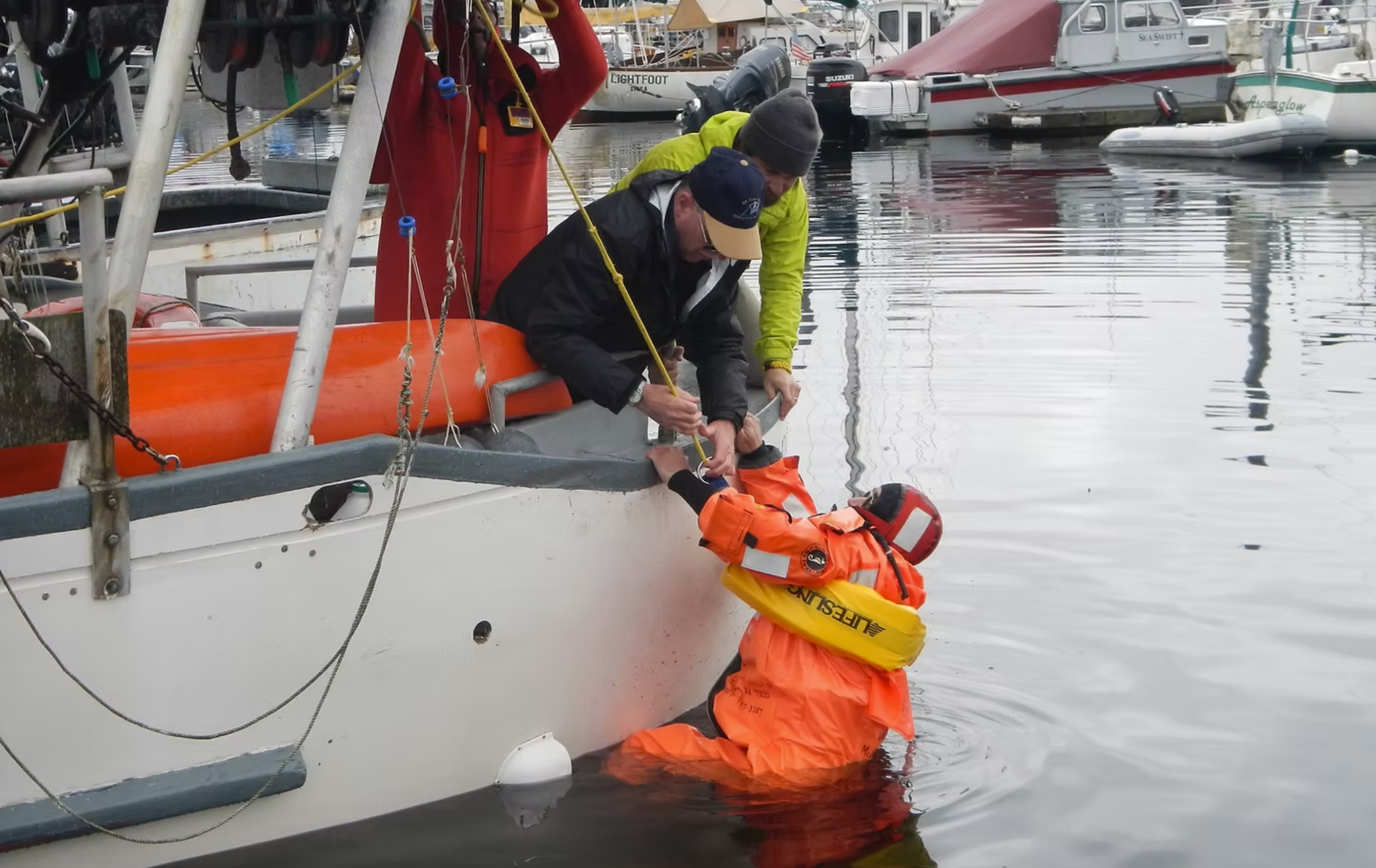
Research has shown that the likelihood of surviving an overboard fall is five times greater if a lifejacket or PFD is worn. In a recent survey regarding PFD usage, 16% of respondents said they never wear a PFD while working on deck. Most respondents acknowledged that this safety device is effective at preventing overboard fatalities, yet they were still reluctant about donning this crucial piece of protective gear. Just a few of the reasons offered by crew members:

Published on:

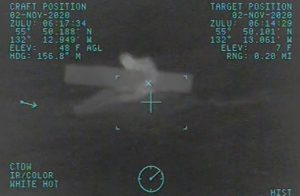
Survival_Suit_Saves_Man-300x196On November 2, 2020, the U.S. Coast Guard 17th District command center received a “search and rescue satellite alert” from the F/V IRONY. A 70-year-old man had fallen into the rough waters of Union Bay, Alaska, just northwest of Meyers Chuck.

The U.S. Coast Guard Air Station Sitka launched an MH-60 Jayhawk helicopter crew as well as the U.S. Coast Guard Cutter ANACAPA and crew to carry out the search and rescue operation. The man was found clinging to a piece of debris, immediately hoisted, then taken to awaiting emergency medical personnel in Ketchikan, Alaska.

“What saved this man’s life was his essential survival equipment,” said Lt. Justin Neal, a helicopter pilot from Air Station Sitka. “He had an emergency position indicating radio beacon registered in his name that allowed us to find him quickly, and his survival suit kept him warm long enough for us to rescue him.”

Published on:

The-Bering-Sea-300x142A 56-year-old fisherman is missing after falling overboard on Friday, October 26th. The F/V JUDA LEE was approximately 7 miles off the coast of Nome, Alaska when the incident occurred.

Anthony Shelp, the vessel owner, was reportedly fishing with family members when he fell into the water. Crewmembers tried to pull him back aboard the vessel, but their efforts were unsuccessful. Alaska State Troopers were alerted, and the U.S. Coast Guard was called for assistance at approximately 10:45 a.m.

An Air Station Kodiak MH-60 Jayhawk helicopter crew was launched out of Kotzebue to search for Mr. Shelp. An urgent marine broadcast was also issued to alert all mariners in the area.

Published on:

USCG_C130_Hercules-300x200The U.S. Coast Guard has suspended the search for a fisherman who fell overboard in Ugashik Bay, 190 miles west of Kodiak, Alaska.

Watchstanders at Coast Guard 17th District Command Center received an urgent marine information broadcast on Thursday, July 19th at approximately 4:27p.m. from the F/V CAPE GREIG, that a crewmember had fallen overboard. An Air Station Kodiak Jayhawk aircrew was immediately dispatched to conduct a search in addition to a Coast Guard Air Station Kodiak HC-130 Hercules aircraft, which was diverted to the scene.

Nine good Samaritan vessels joined the search and covered over 13-square miles along the shoreline of Ugashik Bay as well as upriver, in an effort to locate the missing fisherman.

Published on:

https://www.maritimeinjurylawyersblog.com/wp-content/uploads/sites/155/2018/02/U.S.-Coast-Guard-Helicopter-300x163.jpgThe North Coast commercial crab season is off to an arduous start, as the U.S. Coast Guard oversaw two search-and-rescue missions this weekend. The search for one missing crabber who fell overboard has sadly been suspended.

Shortly after 1 a.m. on Sunday, February 4th, two crew members who were tending crab pots on the Chief Joseph fell overboard. The vessel was approximately eight miles south of the South Spit in Humboldt Bay when the accident occurred. The captain successfully pulled one fisherman back aboard but was unable to locate the other crewmember.

First on the scene was an MH-65 Dolphin helicopter crew from Air Station Humboldt Bay followed by a 47-foot Motor Lifeboat crew from Station Humboldt Bay. Approximately an hour later, a C-27 Spartan fixed-wing aircraft from Air Station Sacramento arrived, and the area was combed until the search was suspended at approximately 1:15 p.m.

Published on:

The Seattle Fire Department was called to Magnuson Park this morning after receiving word that a 17-year-old boy had gone underwater. Spokeswoman Kristin Tinsley reported that a water rescue team arrived at the 7800 block of 62nd Avenue Northeast around 9:33 am.

Tinsley said that the teen had been taking a class at Sail Sand Point when some sort of mishap caused him to go underwater. Several people involved with the class as well as a responding police officer worked to pull the teen from the water just before the fire department arrived.

He was taken to Seattle Children’s Hospital in critical condition after spending six minutes underwater.

Contact Information